Kipling’s Haunted Eden
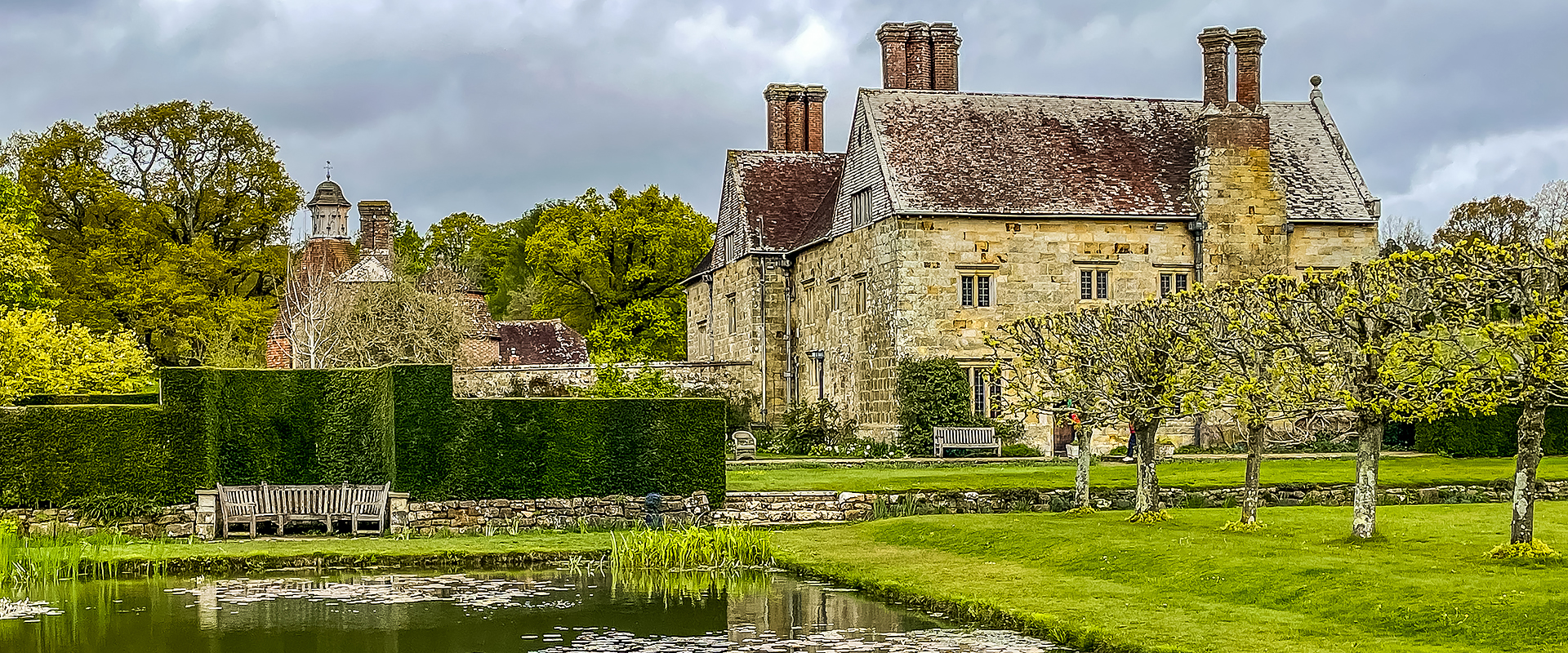
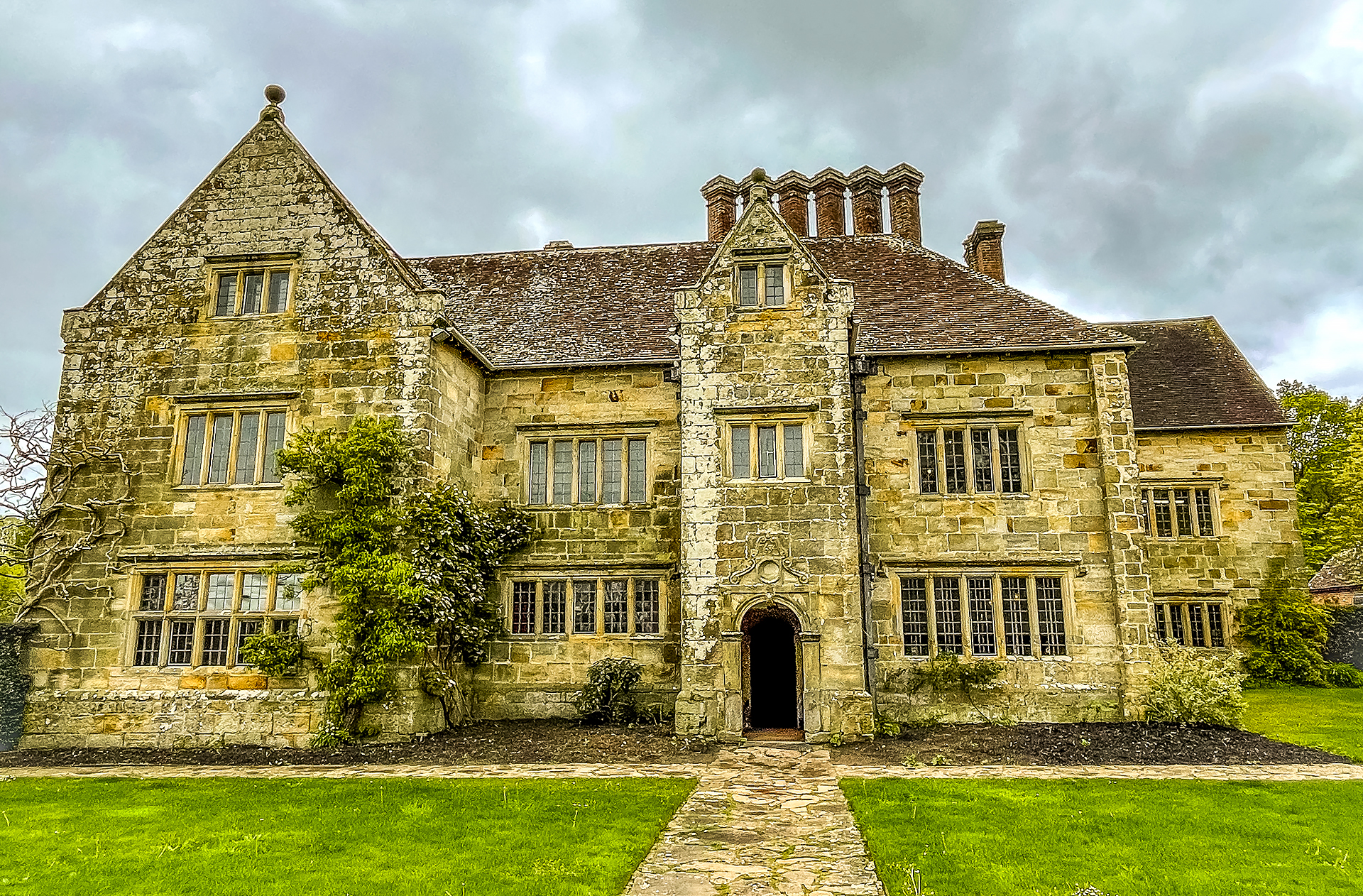
Deep in the drowsy folds of the Sussex Weald, where the fields breathe mist and the hedgerows hum with age-old secrets, lies Bateman’s – Rudyard Kipling’s sanctuary and sorrow-song. At first glance, it’s a storybook setting. A Jacobean manor house of golden stone, its mullioned windows peering out over rose gardens and lazy meadows, the River Dudwell gliding by like a forgotten verse.
But Bateman’s is more than a picturesque house – it’s a living poem. It is the heart of Kipling’s later life. The place where triumph, grief, memory and magic are stitched together amidst the hush of oak-paneled rooms and the perfume of rambling roses. Walk its paths, and you walk through the very pages of his life, pages etched not just with glory, but with unimaginable loss.
Kipling discovered Bateman’s in 1902, declaring upon first sight, “That’s she! The only she!” After years in India and literary triumphs in London, he had stumbled upon not just a house, but a kindred soul…ancient, storied, and with a stillness and grandeur his roving spirit craved. Within its weathered stone and timbered beams, Kipling hoped for peace, but life had other chapters yet to write.
It was here, among the rolling hills of Sussex, that Kipling weathered his deepest trials. His beloved daughter, Josephine, died of pneumonia at just six years old, her absence a wound that never truly closed. Later, the Great War would take his only son, John, missing in action at the Battle of Loos, his body lost to the carnage of war. Kipling, who had written such eloquent and stirring lines about duty and Empire, was left with silence and ache. As grief settled into the very stones of Bateman’s, Kipling reflected his loss in the 1916 poem, ‘My Boy Jack’.
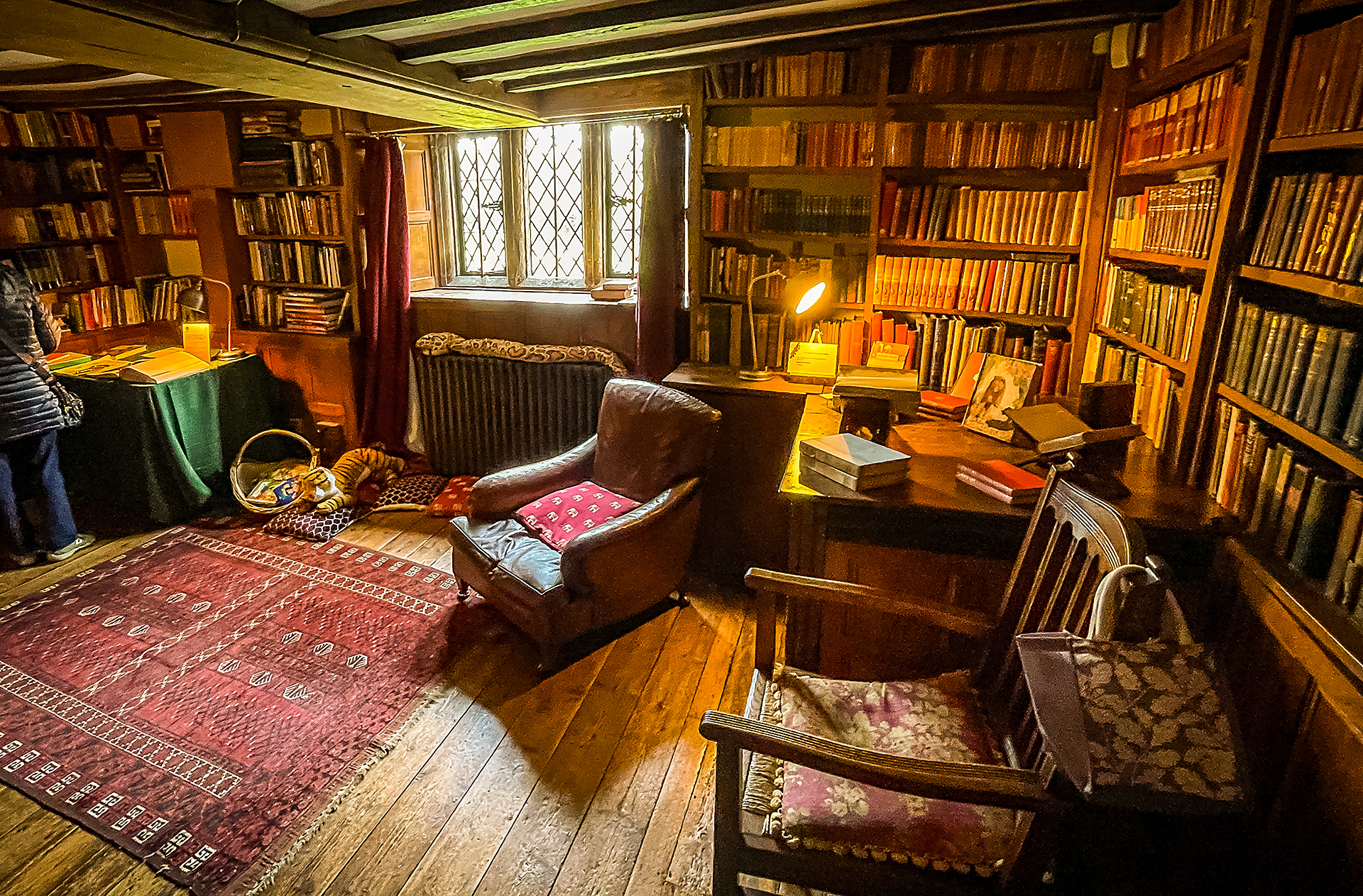
And yet, despite it all, Bateman’s never became a mausoleum. It was Kipling’s refuge, a place where he continued to write, to walk, and to remember. His study remains much as he left it, lined with books and heavy with a sense of waiting…as if he might return at any moment to tap out another verse. But step outside, and Bateman’s becomes even more spellbinding. The gardens are a labyrinth of beauty…half tamed, half enchanted. Roses bloom, almost defiantly, with each spring, and bees busy themselves in the warm air, just as they did a century ago. The orchard echoes with the ghostly laughter of children, and the River Dudwell meanders along the edge of the grounds, lazily turning the watermill that stands as a testament to the rhythm of simpler times.
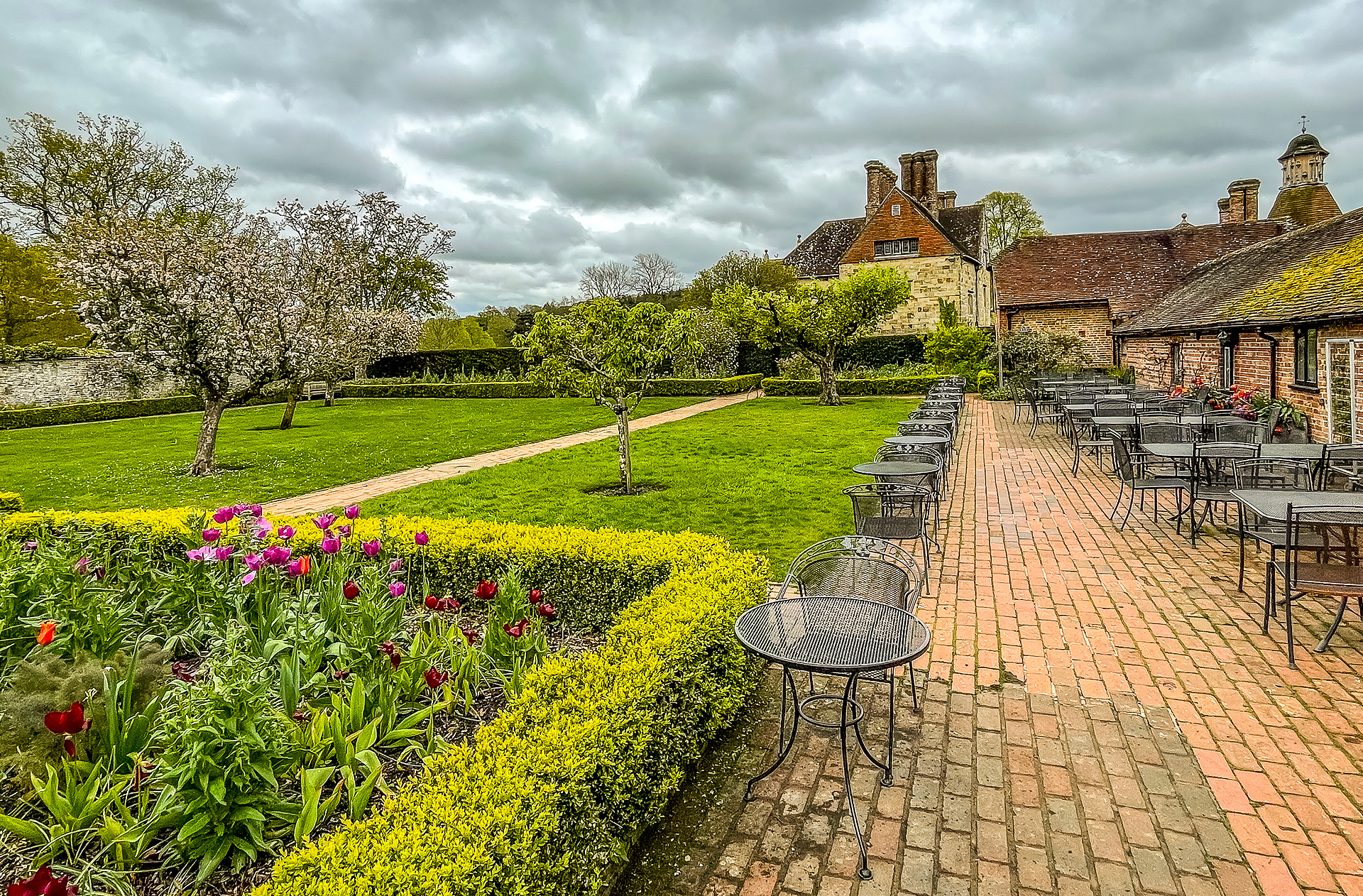
Kipling poured love into these gardens, and it is here that his spirit most lingers. You might find him in the flicker of sunlight through copper beech leaves, in the sudden hush of birdsong as you round a hedge, in the unspoken sense that stories are waiting behind the next topiary curve. It’s said Kipling would walk the garden paths each day, mulling over lines of verse, or polishing the adventures of Mowgli and Kim in his mind. Visitors often speak of a strange stillness, a quiet that is not silence but a presence…as if Kipling’s spirit still walks among the foxgloves and fountain pools, part mourning father, part the eternal storyteller.
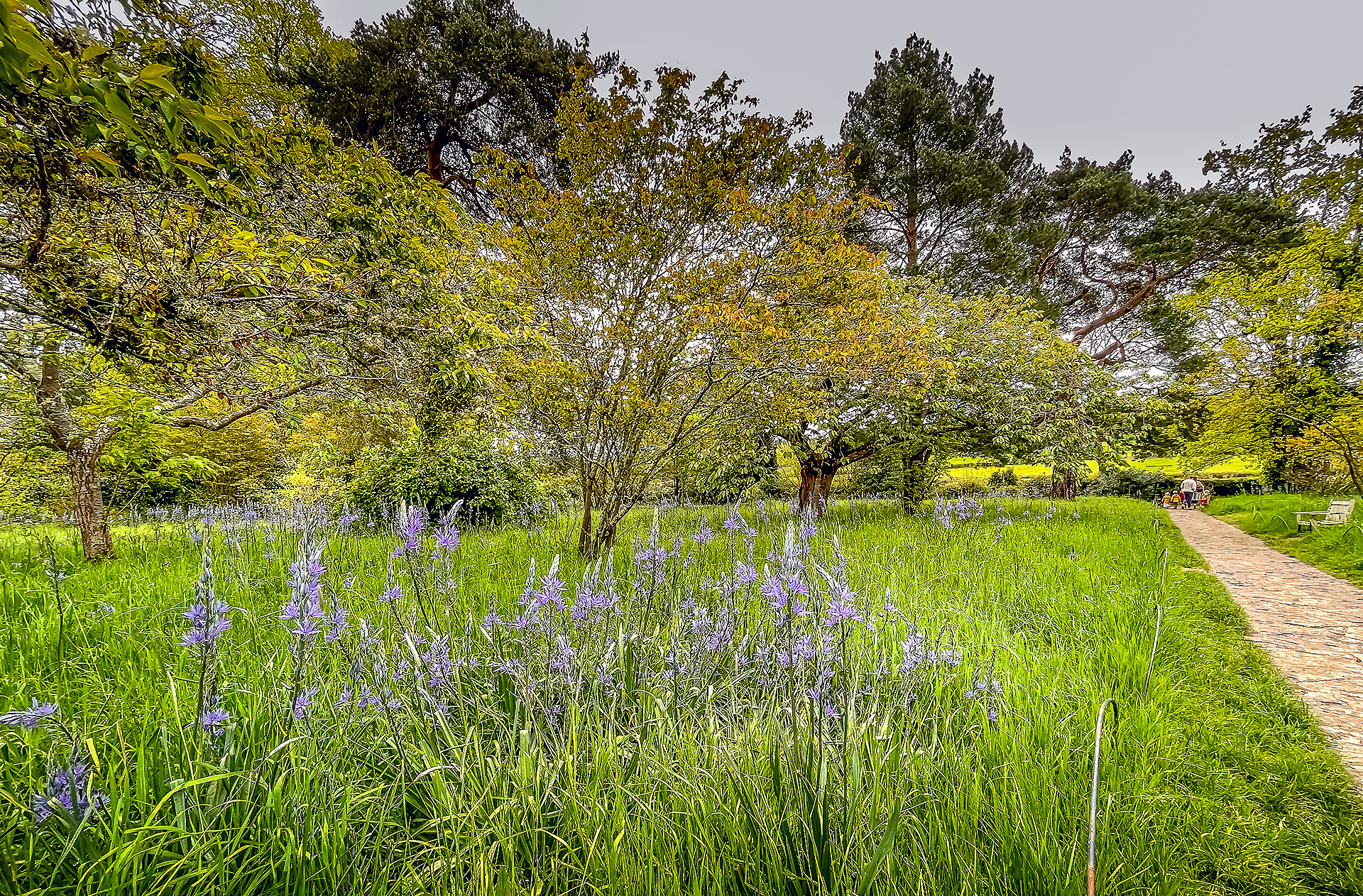
Time, here, is a circle… a story without end. For Bateman’s doesn’t just preserve Kipling’s legacy…it breathes it. So whenever your heart hungers for the magic of old England, or your imagination needs rekindling, make a pilgrimage to Bateman’s. Lose yourself in its leafy lanes and secret corners. Sit awhile beneath the chestnut tree Kipling loved. And listen…you might hear the rustle of a page, the echo of a line, or the quiet footsteps of the man who gave voice to Empire, elephants, and the wonders of childhood.
To visit Bateman’s is to step not just into Kipling’s world, but into his soul. It is a haunted love letter…to England, to language, and the eternal spell of written stories.
Useful links: For more information and opening times go here: https://www.nationaltrust.org.uk/visit/sussex/batemans

A life-sized bronze of Rudyard Kipling graces a bench in Burwash High Street, just a mile or so from Bateman’s.

Bateman’s – A Jacobean manor house of golden stone, with mullioned windows. Home to Rudyard Kipling
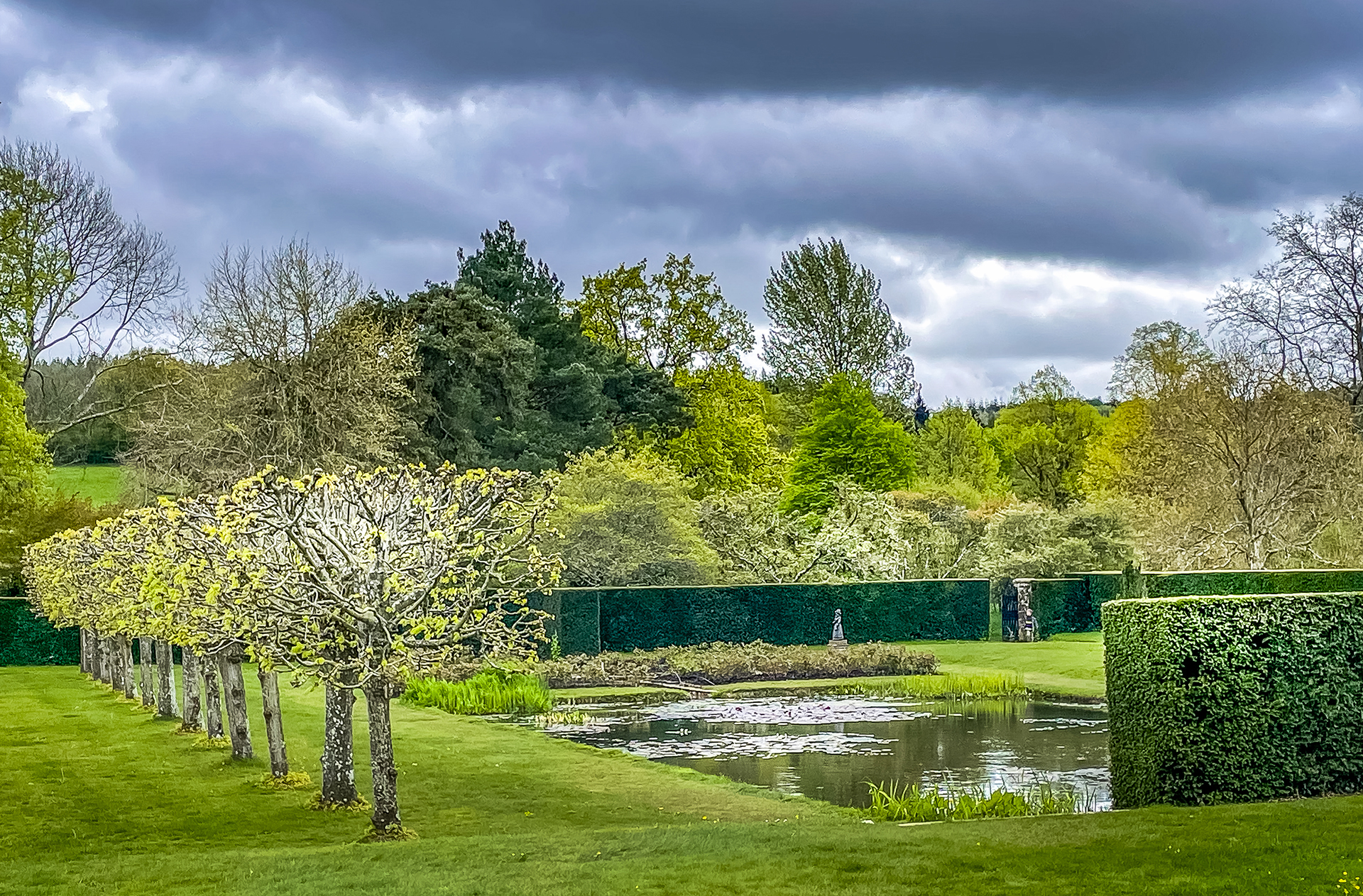
Bateman’s – where the spirit of Rudyard Kipling lives on.

Bateman’s – where the spirit of Rudyard Kipling lives on.

The gardens, where Kipling’s spirit most lingers…
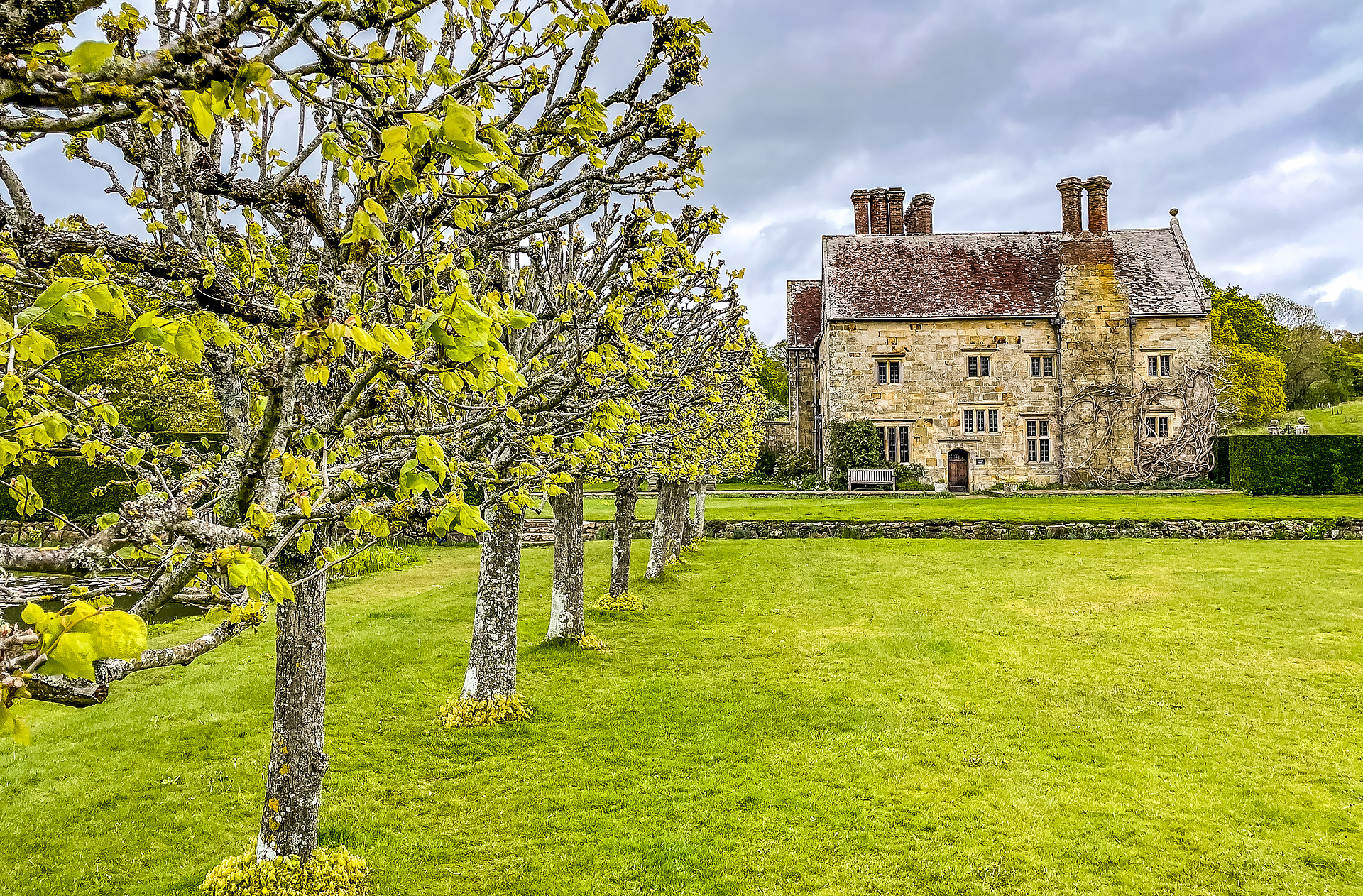
Bateman’s – A Jacobean manor house of golden stone, with mullioned windows. Home to Rudyard Kipling

The gardens,, beloved by Kip;ing, echo with the ghostly laughter of children.
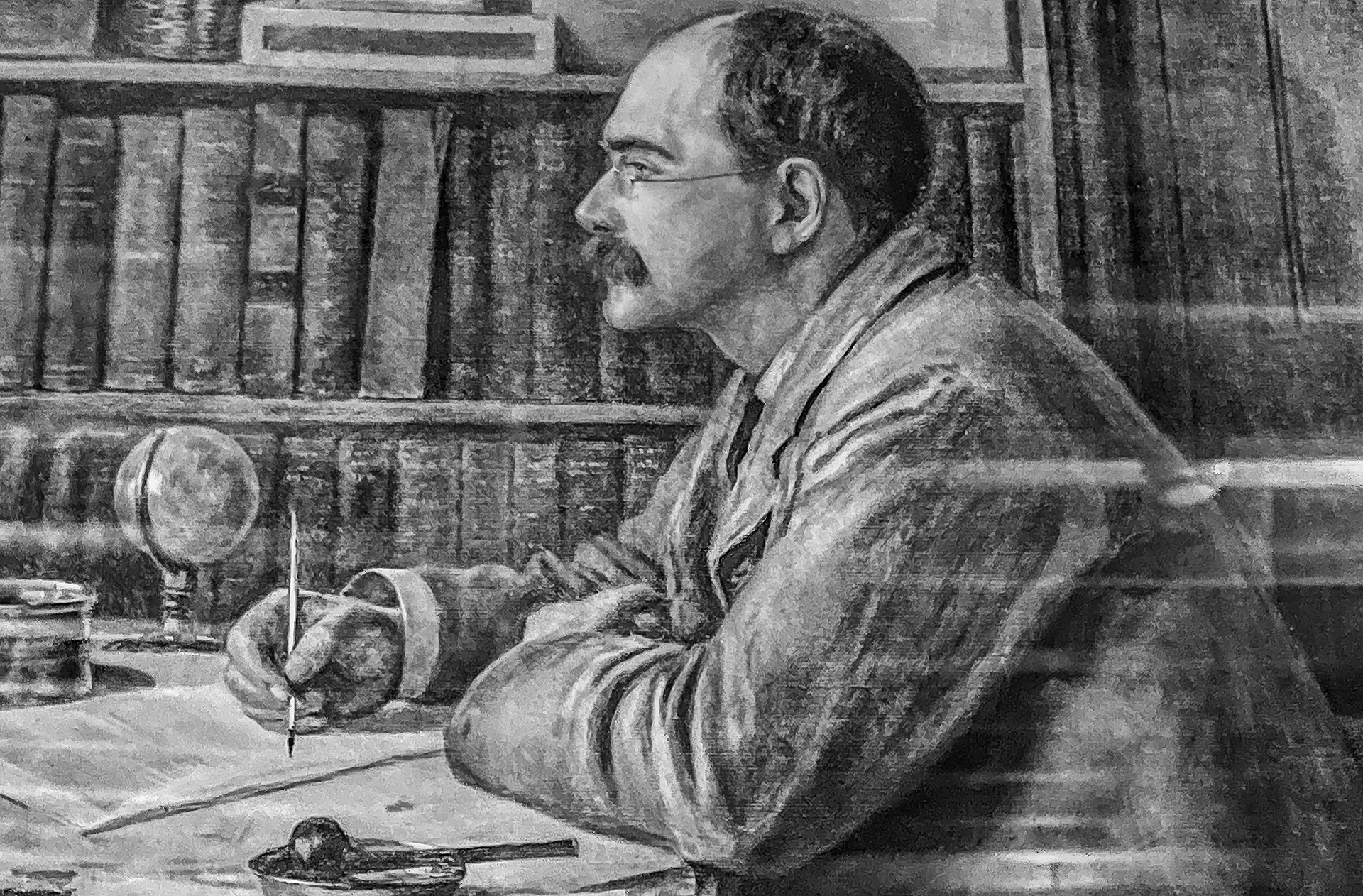
The master story-teller – Rudyard Kipling.