Bucolic bliss in the Cotswolds
The weather forecast for the weekend was appalling and worrying, not least since members of the family were gathering from various points of the compass – London, Nottinghamshire, Oxfordshire and Yorkshire – at an Oxfordshire hotel for a post-Christmas get-together.
The thinking was that since the hotel we had chosen in two previous years for a pre-Christmas family get-together – the Falcon Hotel, at Castle Ashby, in Northants – had suddenly closed for repurposing as a ‘transformational healing centre’ and was due to reopen in late spring, we needed an alternative venue that was equi-distant for car travellers in a location we could all enjoy.
I chose The Feathers in Woodstock, at the southern tip of Cotswold country with easy motorway access. It turned out to be a good choice, even though due to building work the building was being powered by two generators outside which caused the wall lights to flicker and for us to be plunged momentarily into darkness during dining. It all added to the charming atmosphere.
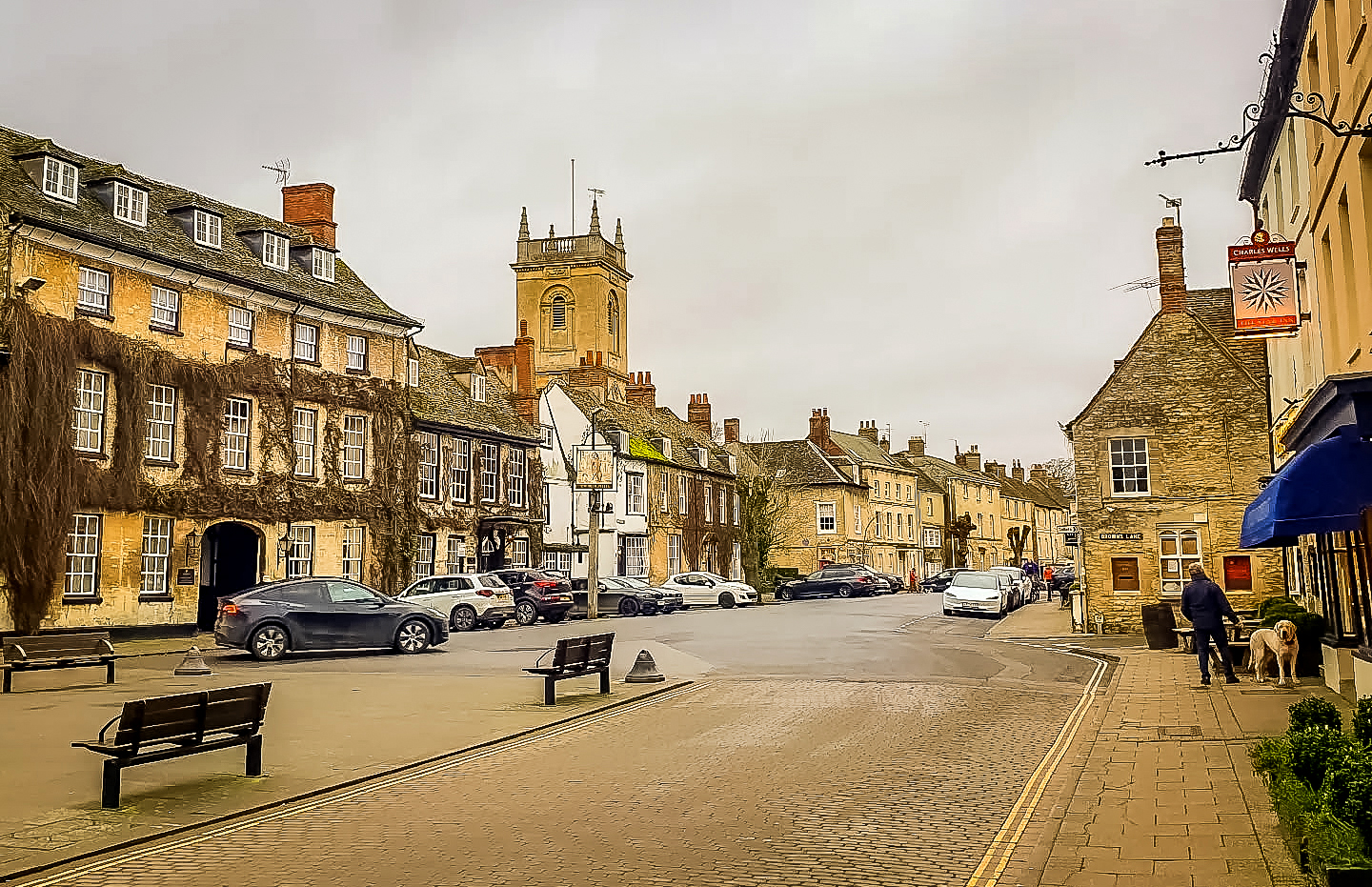
I was first taken to this historic hotel with its cosy open fires by an ex-girlfriend’s father who was checking me out. I had bought a suit for the occasion and although it was 40 years ago I still remember the treat of fine dining there – my main course was the first time I’d experienced tender monkfish with chilled Chablis. Then we also met up there as a family five years ago before moving to a family tea party at the orangery in Blenheim Palace to celebrate my sister-in-law Sue’s 70th birthday, and my cousin Sue had stayed as a child in the town at the Blue Bear with her family and remembered the town fondly. So there was a little family history to point us there.
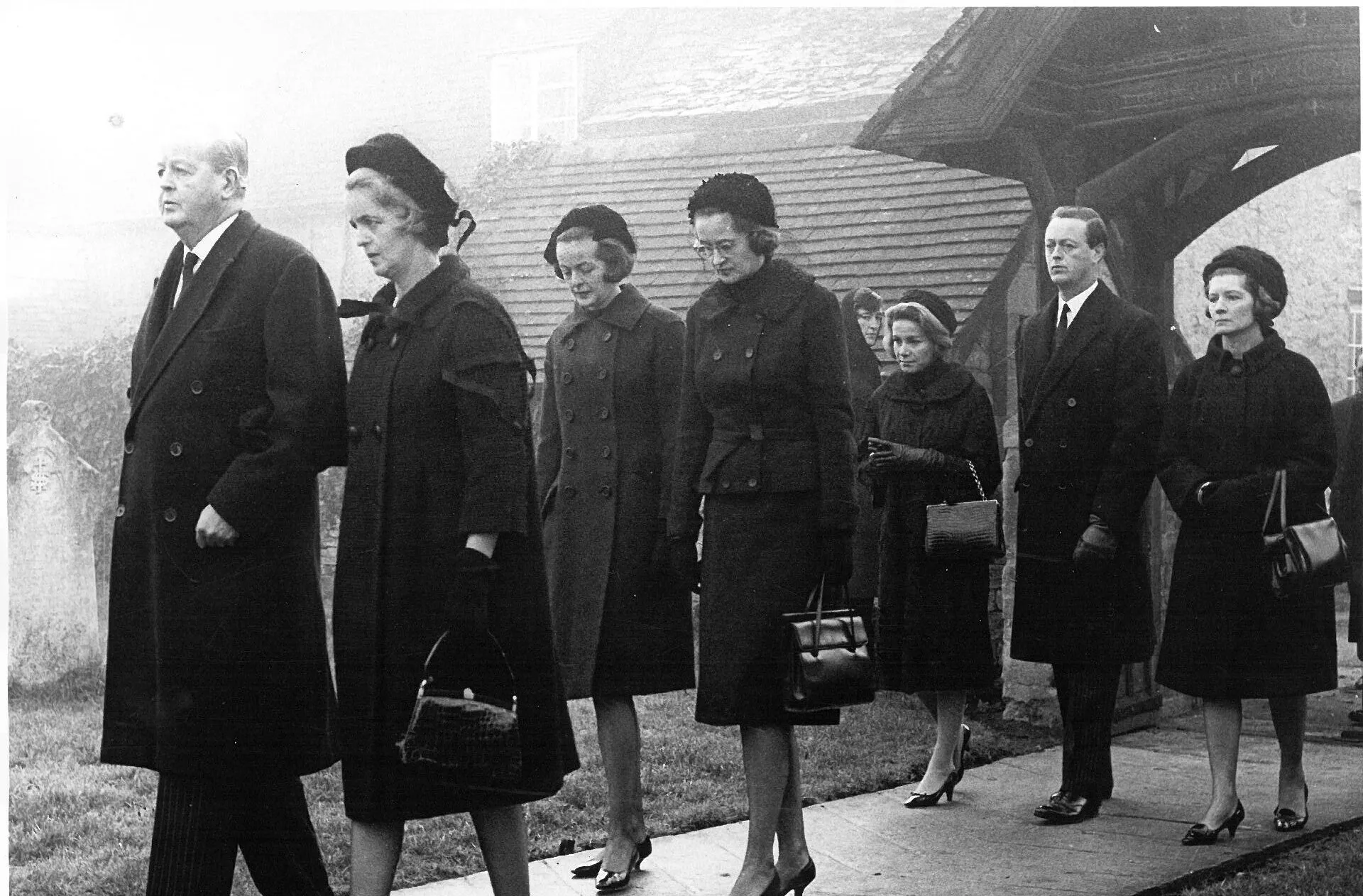
The palace, by the way, is this year commemorating 60 years since the death of its famous son Sir Winston Churchill. The picture below shows his family arriving at nearby Bladon church for Churchill’s burial after a grand state funeral. Churchill had been born there in 1874 and it’s where he proposed to his wife Clementine Hozier. He died on January 24, 1965, exactly 70 years after the death of his father, Lord Randolph. For the commemorations this year, visitors can explore the palace’s permanent Churchill exhibition which outlines the extraordinary life of a man regarded as Britain’s ‘Greatest Briton’. It includes evocative photographs, letters and personal items, including paint boxes and his maroon siren suit.
Blenheim, home to the Dukes of Marlborough since 1705, is set in 2,000 acres of Capability Brown landscaped parkland and was designed by Vanbrugh in the baroque style having been financed by Queen Anne, on behalf of a grateful nation following the first duke’s victory over the French in the War of the Spanish Succession. Despite this noble pedigree, my footballing nephew Harry wasn’t aware of any restrictions to what he thought was a public park so went through the gates onto the parkland where he had a training run around the lake.
Waking to a welcome break in the weather after the storm, our Saturday drive through the northern Cotswolds was to take us through Charlbury, Chipping Norton, Brailes, Chipping Camden, Shipston-on-Stour, Burford, Stow-on-the-Wold, Upper and Lower Slaughter, and Bourton-on-the-Water before the drive back to Woodstock. It was a roughly round-trip through beautiful countryside, despite parking challenges, the inevitable potholes and single-track lanes..
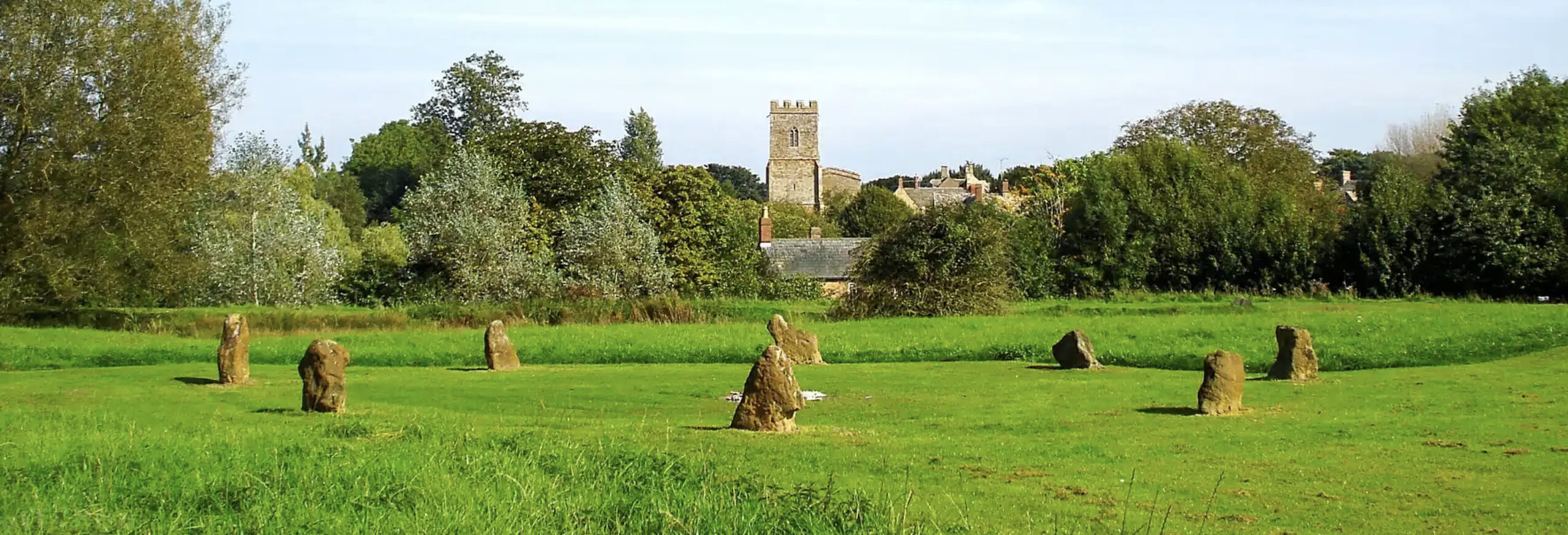
That window in the weather enabled us to drive the length of the northern Cotswolds. Along the way, we passed the meadows that are home to the mystical Rollright Stones, near Chipping Norton. On an earlier visit to this fascinating prehistoric site, I remembered a distinctive atmosphere, an eerie silence as though the stones were protecting a sacred space.
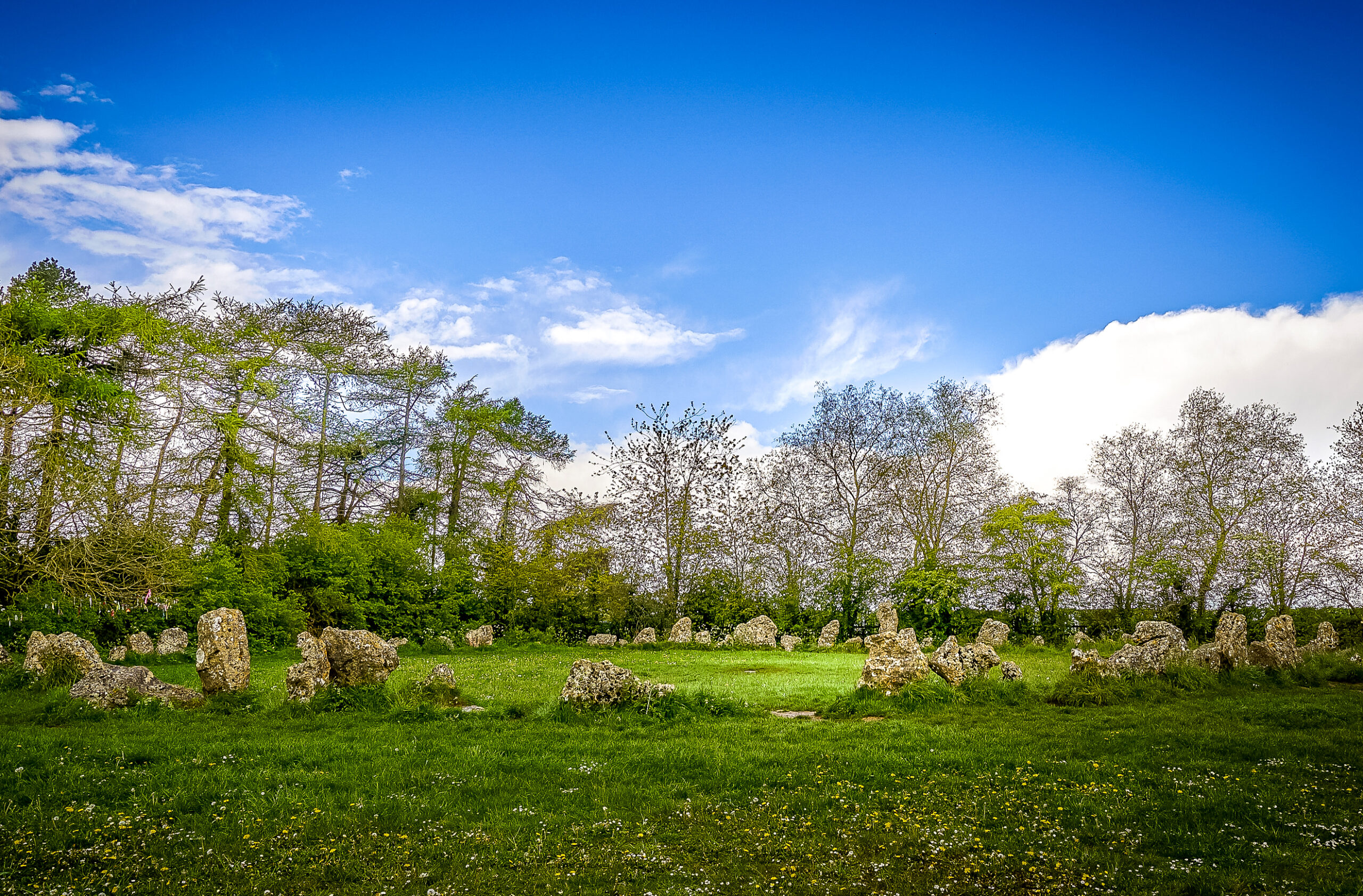
On the boundary between Oxfordshire and Warwickshire, the stones span nearly 2,000 years of Neolithic and Bronze Age development, each site dating from a different period. It’s as if each generation has wanted to leave its mark. They consist of three ancient features: the King’s Men stone circle; the Whispering Knights burial chamber; and the single King Stone. The warm sandy brown stones are natural boulders of Jurassic oolitic limestone which forms the bulk of the Cotswolds, a material used for building everything in the area from churches and houses to stone walls.
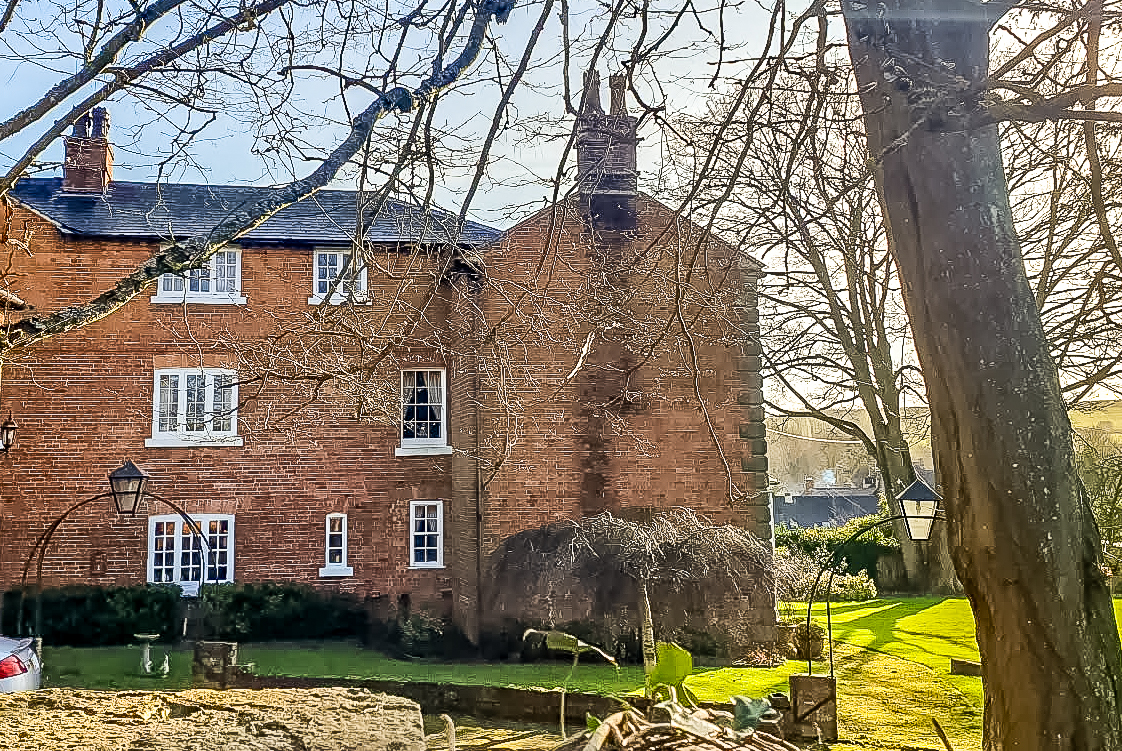
On the roughly circular route, we made what was for us an important detour to the village of Brailes. It was to the parish church’s parsonage that my father, mother and elder brother went to stay in the 1950s when they were on leave from their homes in South Africa. My father, a Church of England priest, stood in during a sabbatical for the resident incumbent for a few summers while catching up with family and taking services for the local parishioners.
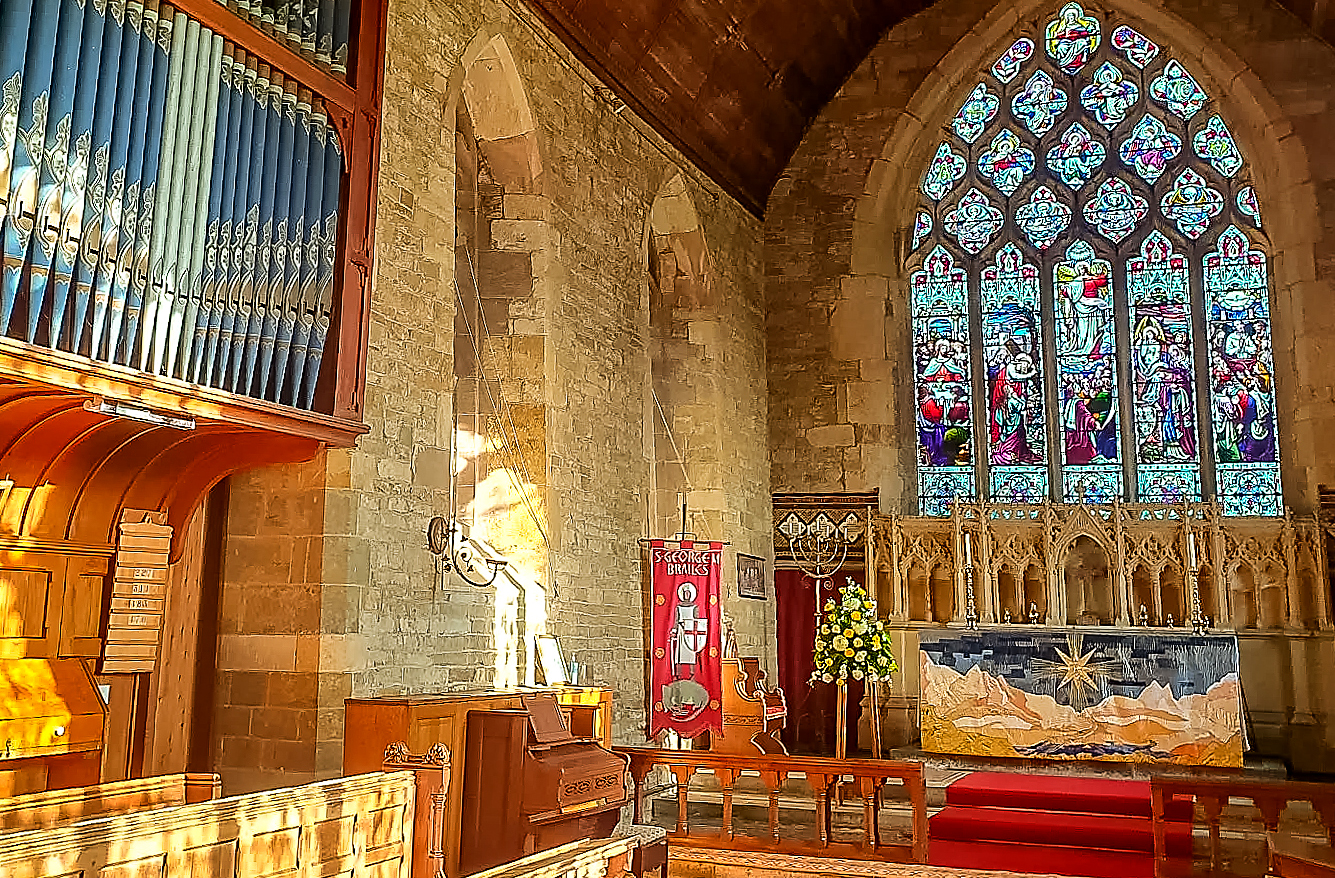
The church today is beautifully kept, feels very spacious inside and well-loved. But one thing was missing. Silenced for repairs are the bells which were used to not only strike the quarter hours but also played hymns four times a day. The carillion system is also currently being repaired ready for the church’s 600th anniversary celebrations later this year. The bells themselves are the second heaviest peal of six bells in the world, with the largest tenor weighing nearly 1.5 tons. The 12th century church’s beauty still reflects the wealthy farming that has been a feature of the district since medieval days.
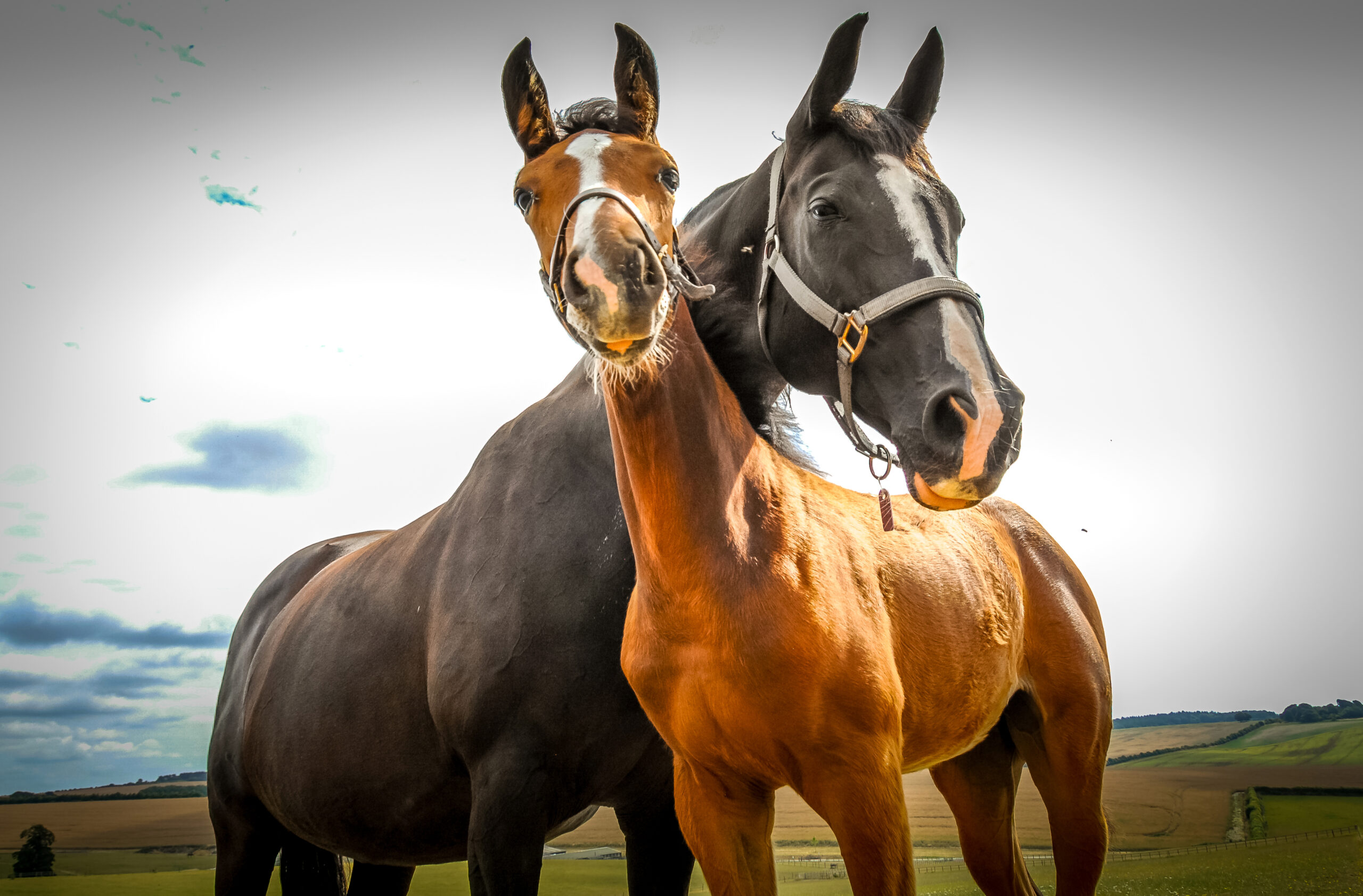
Along the way, we passed a smiling mother leading her very small child on horseback through the narrow lanes and thought of our own happy days in the countryside, in the saddle, and playing on farms…
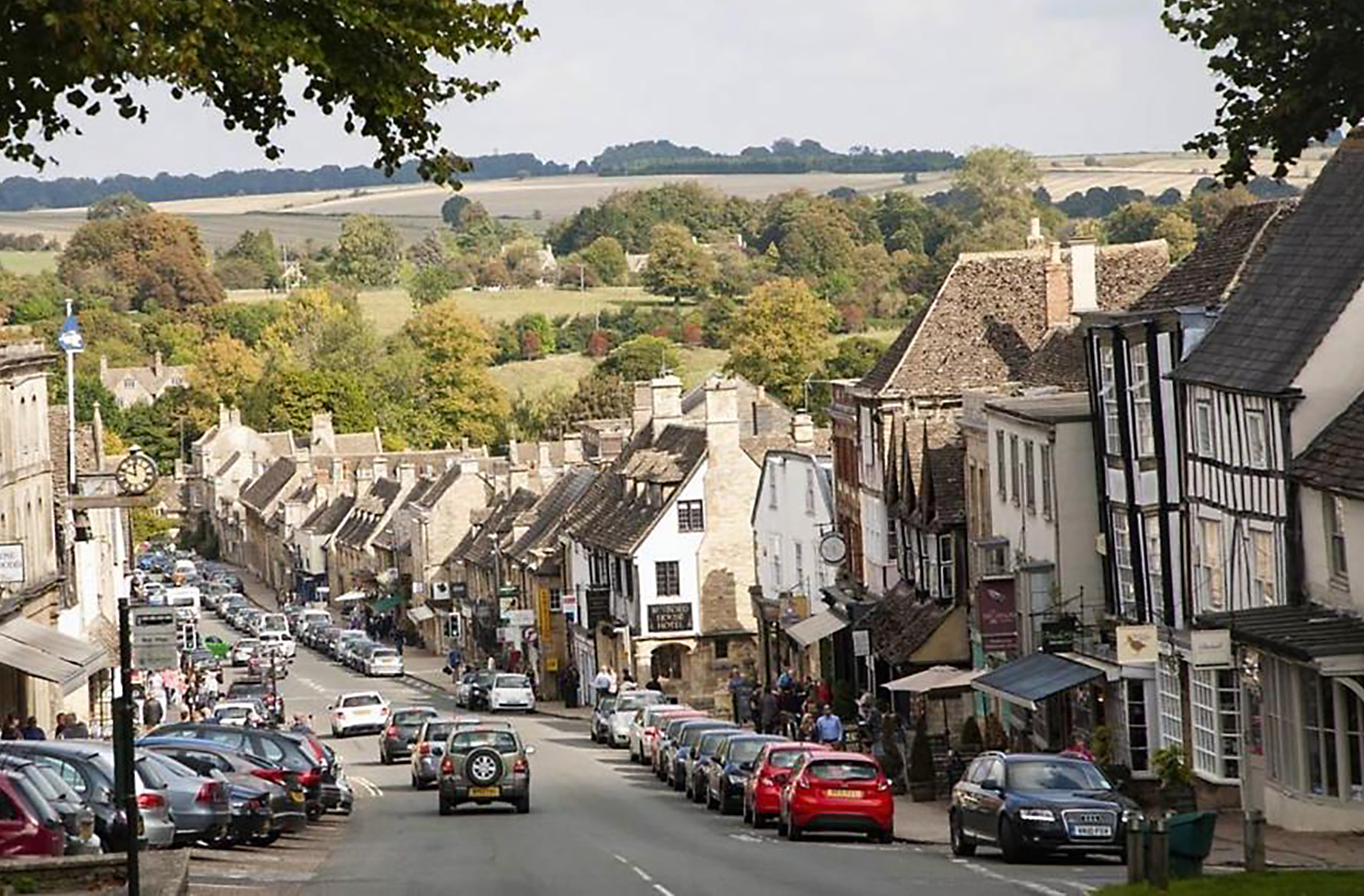
However, we felt that the tail-to-tail parking in Chipping Camden spoiled the neat main road of soft brown Cotswold stone homes glowing in the sunlight. If ever there were a case for a ring road – we thought this would be the only way of clearing the streets of too many vehicles and the consequent parking nightmare. These villages were built for horse and cart access not swarms of tourists and bus parties.
Bourton-on-the-Water was probably busier still and finding a table for seven anywhere proved very difficult. My sister-in-law said these villages were just as busy on weekdays.
Despite the sand-bagging against floods in some villages, the trip showed the glorious countryside in the wintry sun as we spotted two muntjack deer on the roadside and saw a huge snowy-feathered barn owl barrelling down the road towards us in the falling dusk.
It was a lightning tour but a refreshing and restoring visit to a beautiful part of Britain, controversially full of second homes and Jeremy Clarkson, but still retaining its natural beauty. It was perfect for a trip down memory lane and the newly refurbished four-star Feathers is an ideal starting point for touring and enjoying a fine dining treat.