

The pull of the plough
In a world of rapid technological change, one agricultural tradition stands firm – the art of ploughing. It’s almost the last rites of summer – an annual event across the countryside celebrating farming, farmers, and the completion of harvest.
Ploughing is an ancient craft. For as long as mankind has been tilling land, the ability to plough a straight and even furrow has been highly prized. And ploughing matches have been part of the rural calendar since two Dorset farmers reputedly settled a dispute over which could plough the best, with their heavy horses, in 1847.

The ability to plough a straight and even furrow remains a highly skilled craft. Good ploughing effectively inverts the soil, controls weeds, improves drainage, aerates the soil, and improves the soil structure. Judges scrutinise many aspects, including straightness, uniformity, depth, firmness and ‘trash’ control – weeds, grass and stubble.

Organised by local ploughing societies across the country, each show will normally include qualifying classes for the National Ploughing Championships, an event held annually in a different part of the UK. Each year on Romney Marsh, a deeply rural expanse of reclaimed marsh bordering Kent and Sussex, professional farmers rub shoulders with hobby farmers and other country gentlemen – and women – competing against each other in the Romney Marsh Ploughing and Cultivations Society annual ploughing match.
The wide variety of classes, including those for novices and experienced ploughmen and women, represent a journey through farming history. Vintage Ransomes, Fords and Fergusons may dominate many of the tractor contests, but horses, steam ploughs, and a myriad of manual implements ensure all aspects of ploughing heritage are on display. But there is much more to these ploughing contests than just ploughing. Every year is slightly different, but trade stands, shopping stalls, country crafts, and dog shows create a traditional agricultural show atmosphere, harking back to days when farming was a much quieter, gentler way of life.
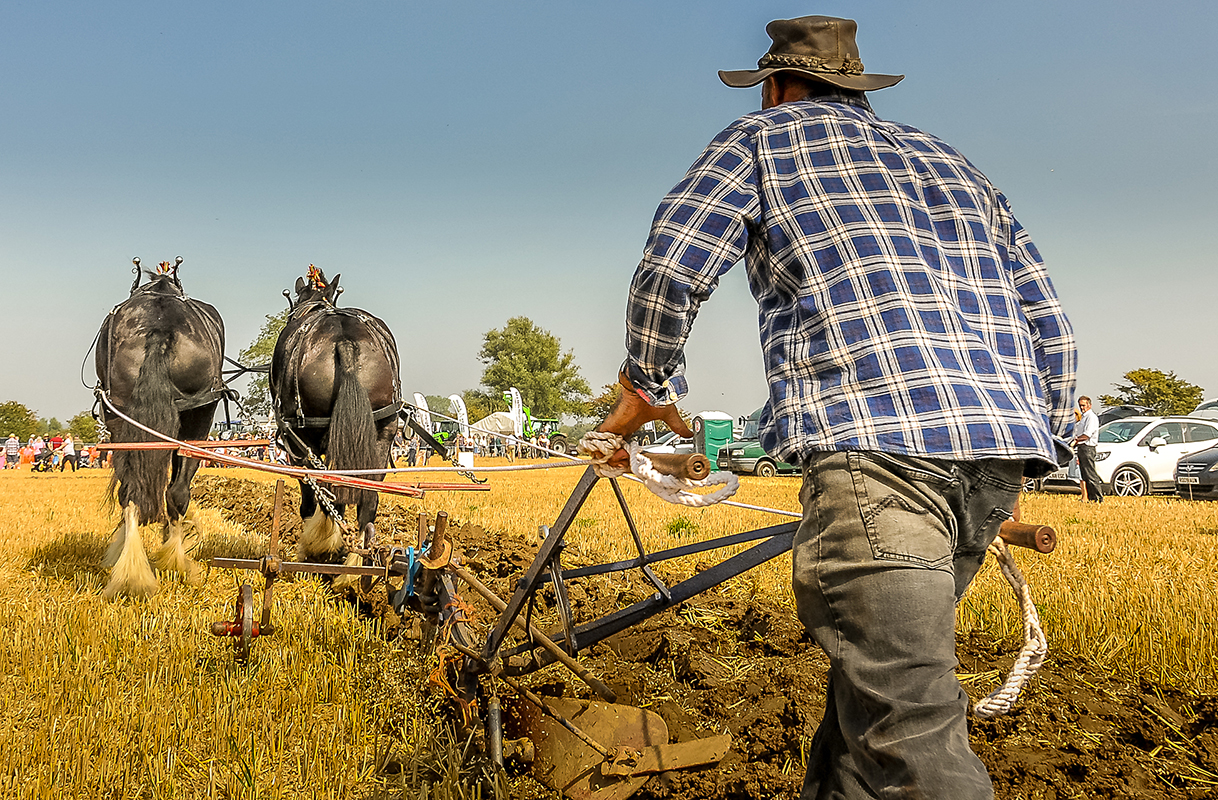
While novice classes are often competed by teenagers still at school, at the other end of the age spectrum people like 72-year-old Will Jury from Sussex can be found enjoying a true family day out competing against both his son and grandsons. “I’ve been ploughing all my life”, says Will. “It’s just the most lovely day out with the boys.”
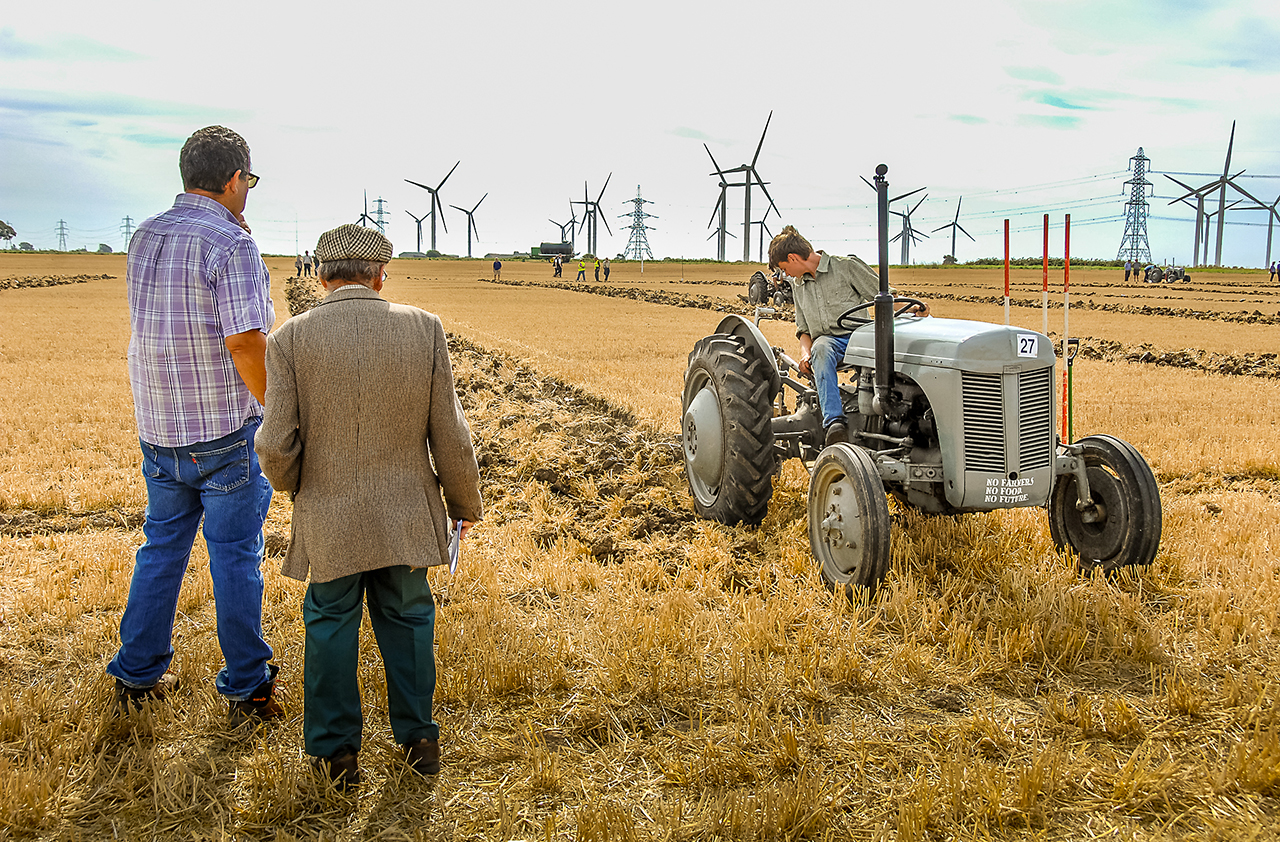
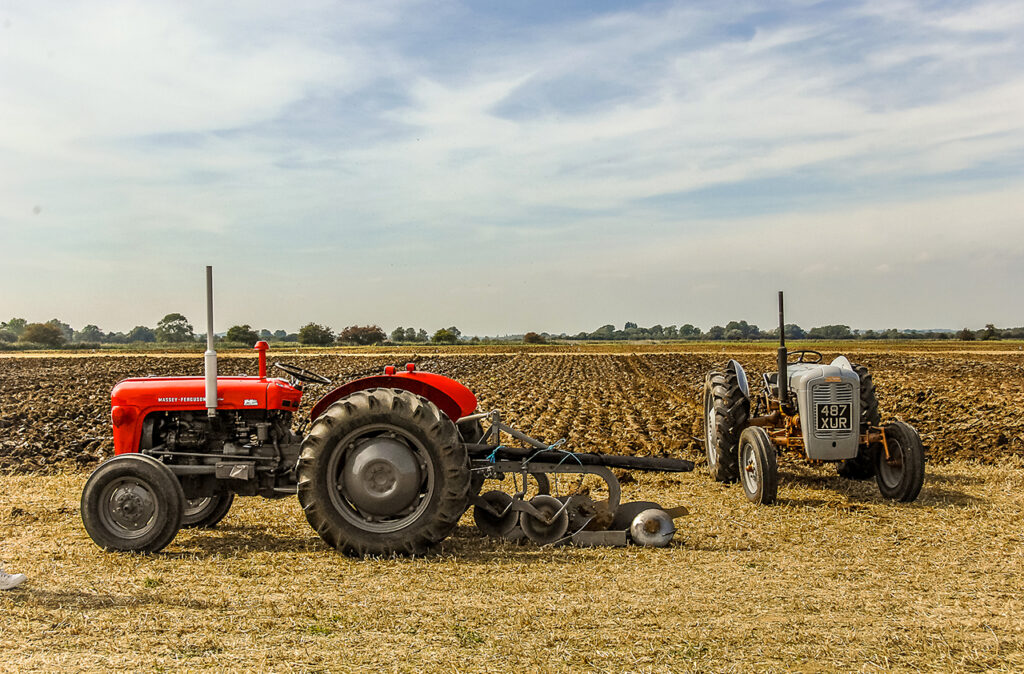
From horse ploughs to steam ploughs, vintage tractors to modern behemoths, the latter, laden with technology, can dwarf their drivers with wheels higher than hedges. But it’s the older, mostly vintage tractors and ploughs that attract the most appreciative audience. Red tractors. Blue tractors. Grey and green tractors. Polished and gleaming, they stand proudly by their immaculate furrows. This is the once-a-year outing for many, lovingly restored over several years.

Others, lacking their once-showroom gleam and wearing signs of occasional use, remain a working part of what, sadly, has become an ever-declining agricultural workforce. But the ploughing match stands firm. A national constant amidst an ever-changing economic and social rural landscape. And perhaps a positive indicator that despite attempts by city-focused politicians to euthanise it, farming is here to stay. As one director of a local ploughing match said, “It’s good that so many take part and it’s important to see youngsters entering the competition. They are, after all, the future of farming.”
The British National Ploughing Championships in 2025 will take place on Saturday, October 11 and Sunday, October 12, 2025, in Allesley, near Coventry, West Midlands. Find out more here: https://www.ploughmen.co.uk/

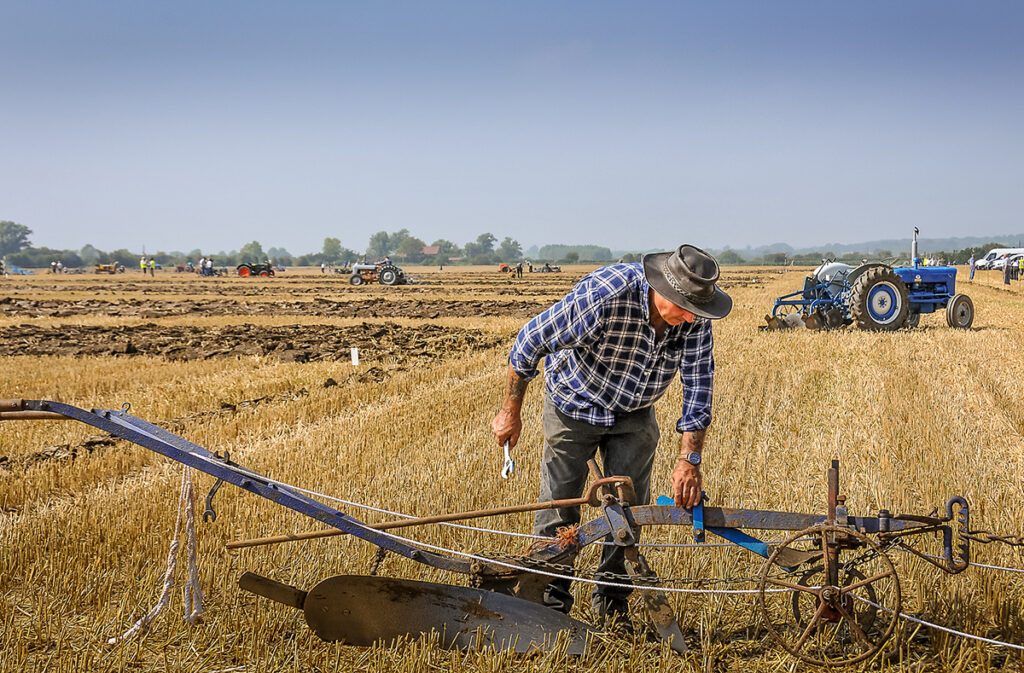
All aspects of ploughing heritage are on display at ploughing matches 
Ploughing matches – a journey through farming history 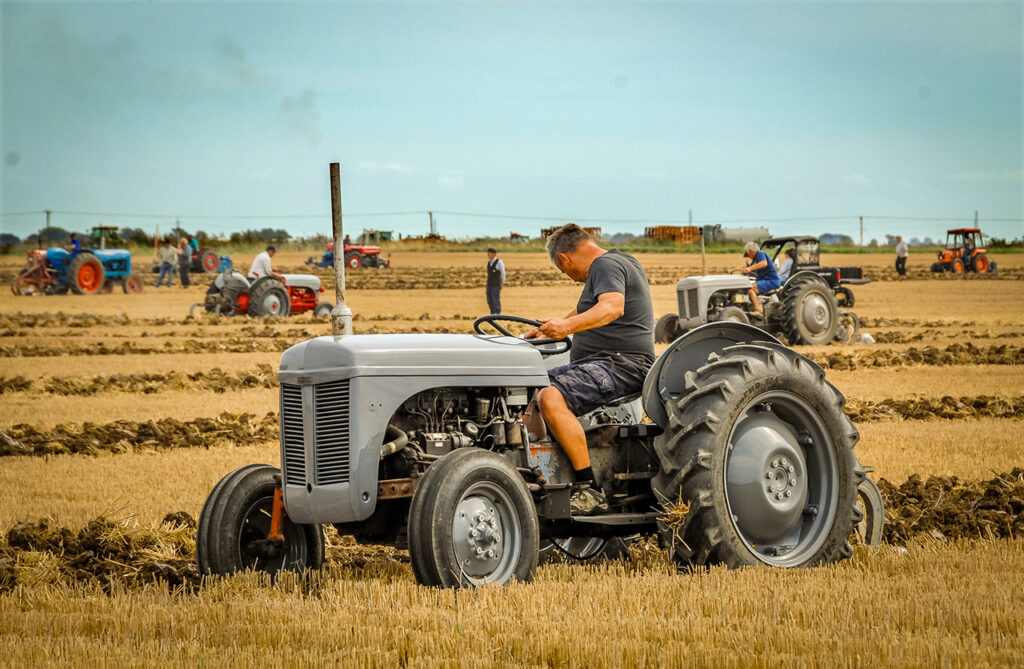


Rural legends