
Echoes of the past
It was a visit twice delayed by COVID-19, caught by my wife working in a central London hospital, but worth the two-year wait.
Cresting the last winding road across the North Yorkshire Moors, much of it through deep surface water and battered by typical blustery moorland conditions, our eventual arrival at Runswick Bay, a former fishing village nestled nine miles north of Whitby, was jaw-droppingly majestic.
Just as when children on family holidays to nearby Robin Hood’s Bay, it was a contest to see who spotted the sea first, the bracing North Sea, spread in front of us, and sharing the excitement of time spent away from home and the cares of school life.
This time, my wife, sister, and niece, were to stay at a family cottage, a former fisherman’s home, only yards from the sea in the heart of the knot of narrow alleyways at the centre of Runswick. Part of the appeal was a detox from technology for a long weekend, even pausing the daily posts to myself with scenic and family portrait pictures on Instagram. My wife said I couldn’t do it, knowing that I found it impossible to stick to the 10pm ‘digital sunset’ we have back home in Clapham when all tech should be silenced.
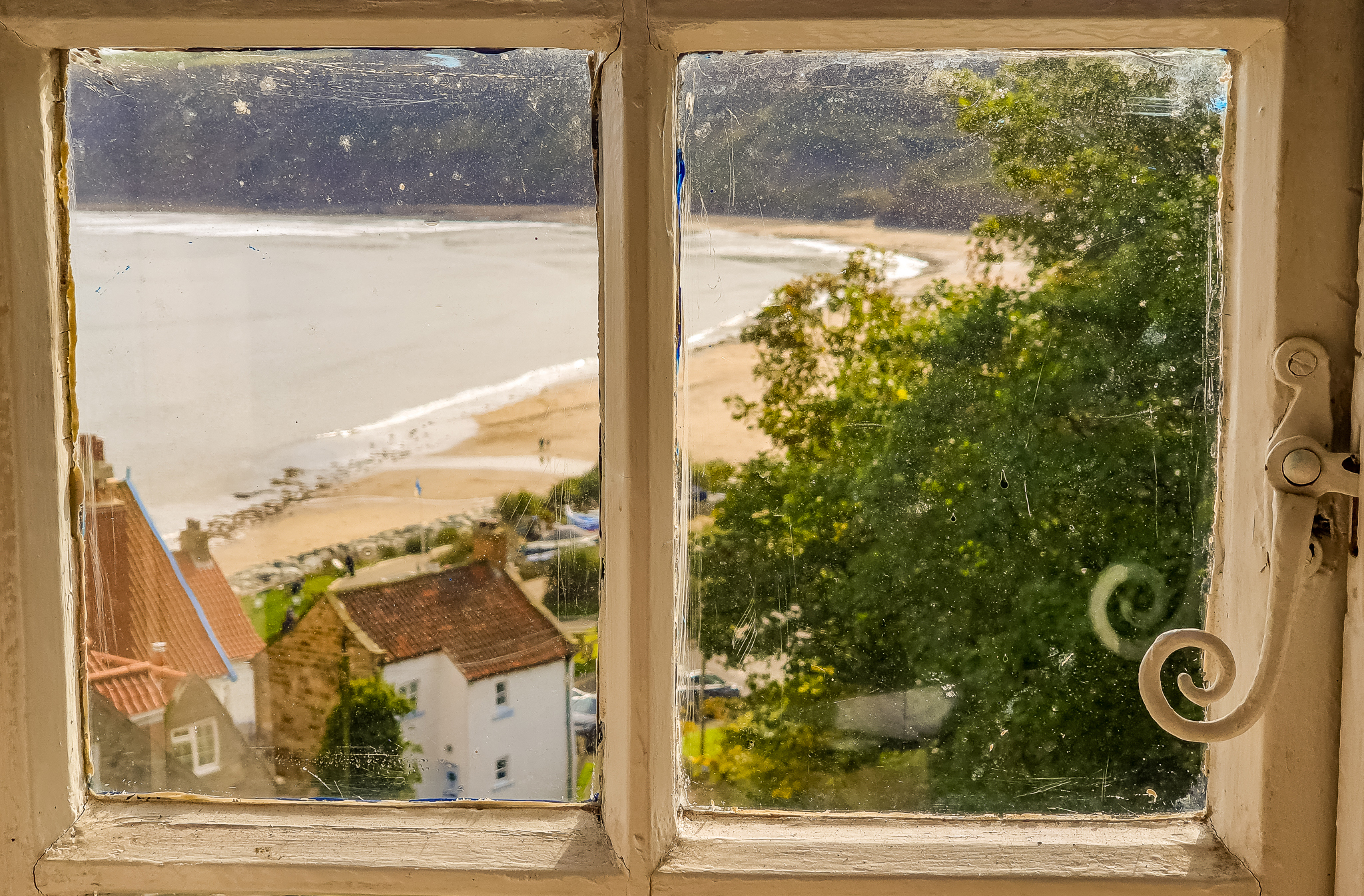
But this three-day mini-break at the end of September proved the perfect pause to our busy city lives, providing a rare chance to reconnect with our family roots, the village having many links with distant relations. Our visit coincided with the village’s annual charity harvest supper, an event which raised nearly £2,000 for food banks in the region. Held in the lifeboat institute’s hall, guests feasted on dishes supplied by local families surrounded by paintings and photographs reminding them of the heroic and selfless deeds of volunteer lifeboatmen, and the power of nature and the sea, whose rich harvest this community was founded upon.
The weekend also gave us a glorious morning of beach-combing, scanning the shores for treasures – jet, driftwood, fossils maybe? Each of us found an ammonite fossil. Armed with a DIY hammer (not the sharp-ended one used by experts) we selected round and grey boulders to split…when this yielded little we chanced up already split slates with the swirls of beautiful ammonites imprinted on them – a strange encounter with creatures from 25 million years ago.
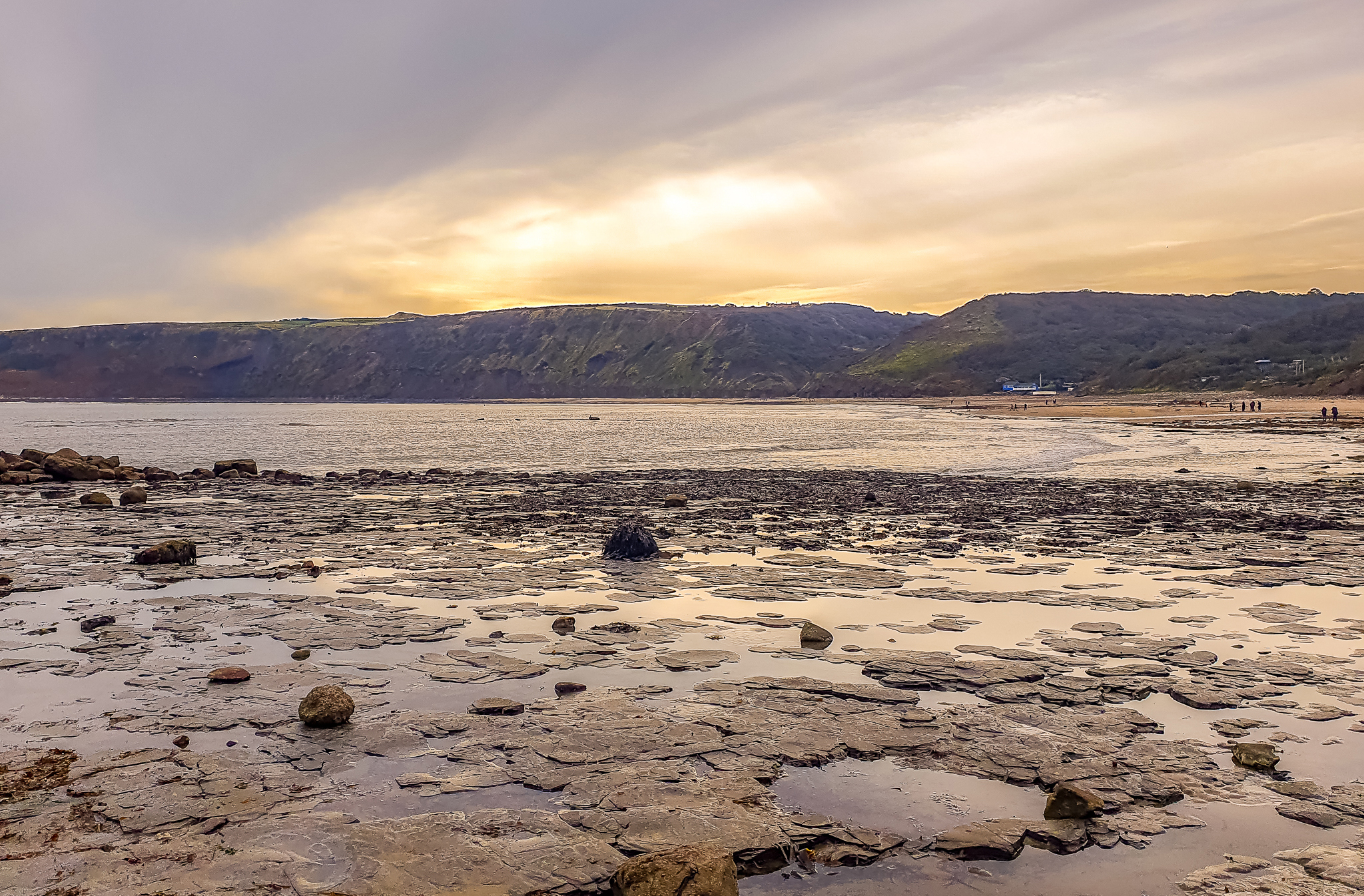
Taking our haul back to the cottage we compared our finders’ luck. During our search, cousin Sue pointed out the spot on the cliff where a family beach hut once stood… until a storm swept it all away, leaving only a floating piece of white and blue timber as evidence that it ever existed.
Such is the dominance of the sea on this lovely landscape…a land and seascape that also attracted artists and craftsmen long ago. Indeed, one of these artists was a family relation two generations ago. Mark Senior is famous for his connection with the Staithes Group, a fellowship who painted the nearby fishing village of Staithes and its inhabitants. Mark Senior became a celebrated English Impressionist painter and his paintings were exhibited at the Royal Academy between 1892 and 1924.
From his origins in Osset, where he painted portraits of rich industrialists, he would take his own family, during the summer months, to rented cottages in Runswick. Here, he would paint local scenes, several of which still decorate the walls of our family homes. Sue showed us the remnants of oil paint he scraped onto the walls outside the first cottage he lived in, as well as other cottages he moved to as his family grew, and finally, the hillside house he built that was the family’s last.

This connection with the artist had recently spurred me to bid for another of Senior’s paintings, adding to my small collection of three – a milking scene, a fisherwoman sitting outside her cottage, and a landscape of the bay. This time it was a painting of a boat on the sand in Belgium, where the artist went on painting tours. Not his best work, I first bid £700 for it before rival online bidding chased it up to £1,500…my last bid. Alas, it was not to be. Auctioneers Duggleby Stephenson of York sold it to the first bidder at that price – not me – and I had no opportunity to increase my offer. You win some, you lose some, I later reflected. I also thought I might be getting a little obsessed with this work which I’ve always admired for its freehanded style that captured so well, the majesty and movement of the harsh climate, the lush orchards, and the swirling seas of the area. Particularly beguiling were the haunting images of people in the paintings who were neighbours, friends, and relatives…some I now recognise from family photographs of Senior and his family.
Our weekend became a brief family gathering like no other. We acquired family, people, history, myths, and stories in the land of our fathers. It was as if the detox weekend had transported us back to the coal-fired cottages of our ancestors, those who had in earlier generations sought respite from the dark satanic mills of industrial Yorkshire and were captivated by the tranquility of the village and the friendliness of the locals. Though many are now second-homes to wealthy incomers, we experienced a profound sense of retracing the footsteps of ancestors, of sharing their pleasure at being in this unique place, and of sitting on a bench outside the door from which aunties enjoyed a view of the sea, framed by pan-tiled cottages. Inside our cottage, a Victorian photograph of a woman mending fishing nets outside this same cottage sits proudly on display, enhancing a curious sense of deja vu. It was a world away from Instagram and the instant messaging of today…when communication by just post and telephone could be cut off by the wild winters along this rugged coastline.
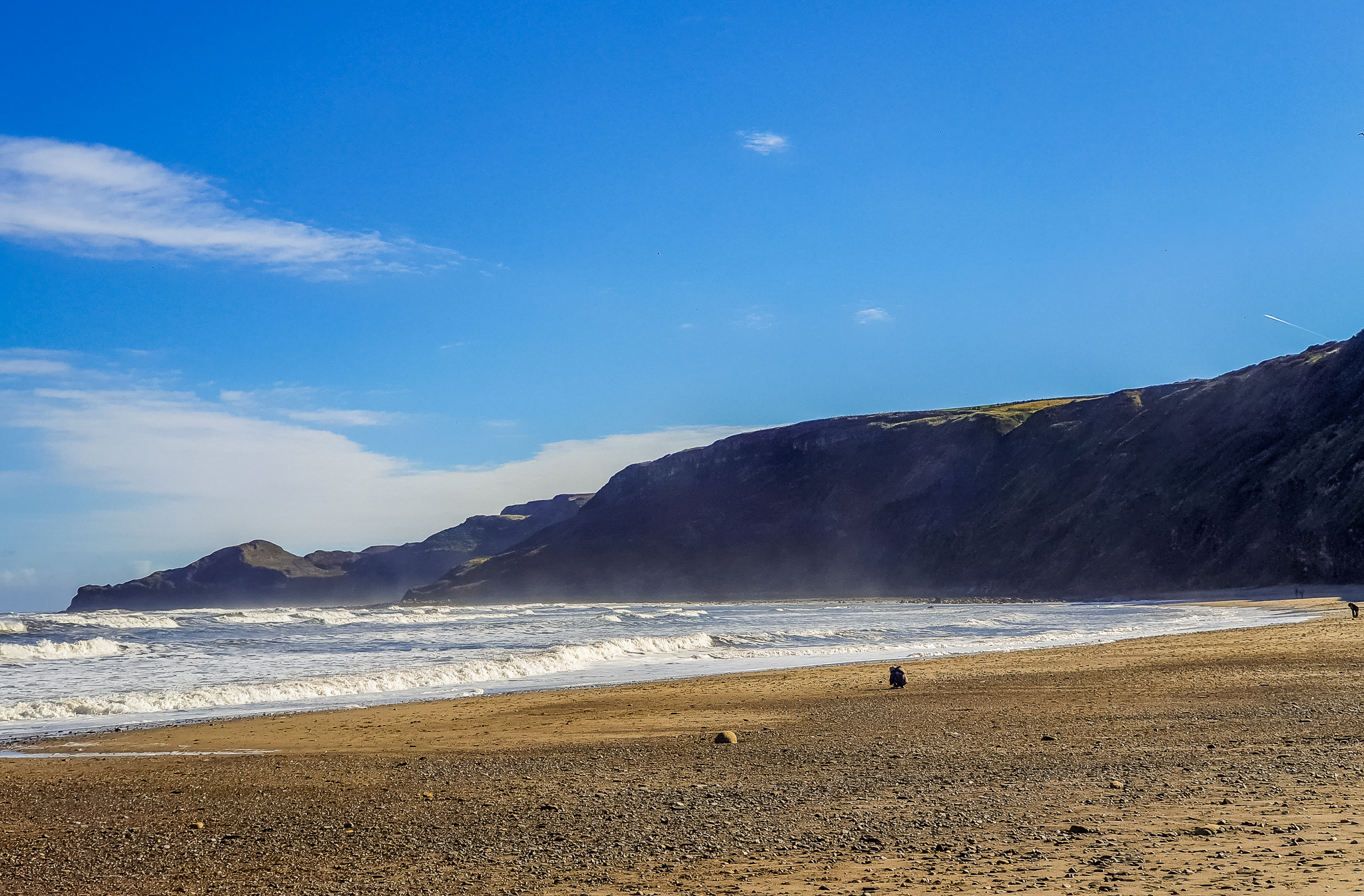
For me, along with the evocative paintings and friendly community spirit, an abiding memory will be my cousin Sue, stepping out of the cottage door every night, looking down the narrow lantern-lit pathway, and with the moon shining across the bay, saying goodnight to the sea.
I treasure the opportunity we had to share part of our past and the simple pleasures of a fisherman’s cottage before our way of life changes forever.
Simon Greaves is a Financial Times/FT.com journalist
For more information and where to stay: https://runswickbay.com/