Masterpieces, marzipan and security screening
If you visit a city well-known for making hardened-steel knives and swords make sure you don’t get stopped carrying a reproduction antique sidearm.
Like most people, we do like to buy holiday souvenirs. The odd oil painting or restored cherub – and it was this which led us into a trap in Spain. The beautiful historic city of Toledo is peppered with souvenir shops, many selling toughened-steel knives and swords for which the city’s forges are famed. While I would never buy a bladed item, it was a reproduction pistol with a black barrel, fake ivory handle, and flint-lock action, rather well-tooled, I thought, that caught my eye.
Unfortunately, despite reassurances from the shopkeeper as he wrote the receipt that it was okay to travel with, it later became clear it was not.
After a great day out in the city, using a bus tour to cover the picaresque outskirts and city centre streets, on our way back to Madrid on foot we were pulled aside by a security man at the rail station who had viewed the contents of our bag in his scanner.
I had just seen him confiscate what looked like a steak knife from the rucksack of a man in front of me, and then he asked what was in my bag, pointing to a poster in his kiosk of prohibited items including a modern sidearm revolver. I insisted it was a well-packed box containing a harmless antique that didn’t fire nor could be made to – but he was having none of it.

Eventually, exasperated by my arguing, he dropped it on the floor and kicked it under his table as we rushed off to catch the train back to Madrid.
A chastening encounter which left us 70 euros worse off and questioning the logic allowing weapons to be openly sold then readily seized at such checkpoints. What is the policy and what is it for? Presumably designed to catch criminals, not tourists. It did leave us chuckling on the train about being the perpetrators of a murder mystery rather than sightseeing travellers.
It was an embarrassing hiccup on an otherwise excellent four- day visit to Madrid which included days out in Toledo and Segovia. We stayed at the central Opera Hotel in Madrid and immersed ourselves in a tour de force of art, especially the masters on display at the massive Prado complex and an amazing show of Sorolla impressionism at the royal art gallery. This latter collection was stunning with his use of light and movement to great effect in elegant portraits, landscapes and his famous seascapes with families and children on the beaches, as well as the traditional Spanish folk costumes he was commissioned to capture from different regions.

For me the outstanding works were a set of 12 Rafael portraits of disciples in the Prado museum, and in a gallery adjoining Toledo cathedral, there was a magical Caravaggio of St John the Baptist, whose luminous luster makes viewing it a spiritual experience – exactly what it’s designed to do, of course. The fine detail of vines and fluffy lamb in the same painting make you want to touch it to see if it’s real.
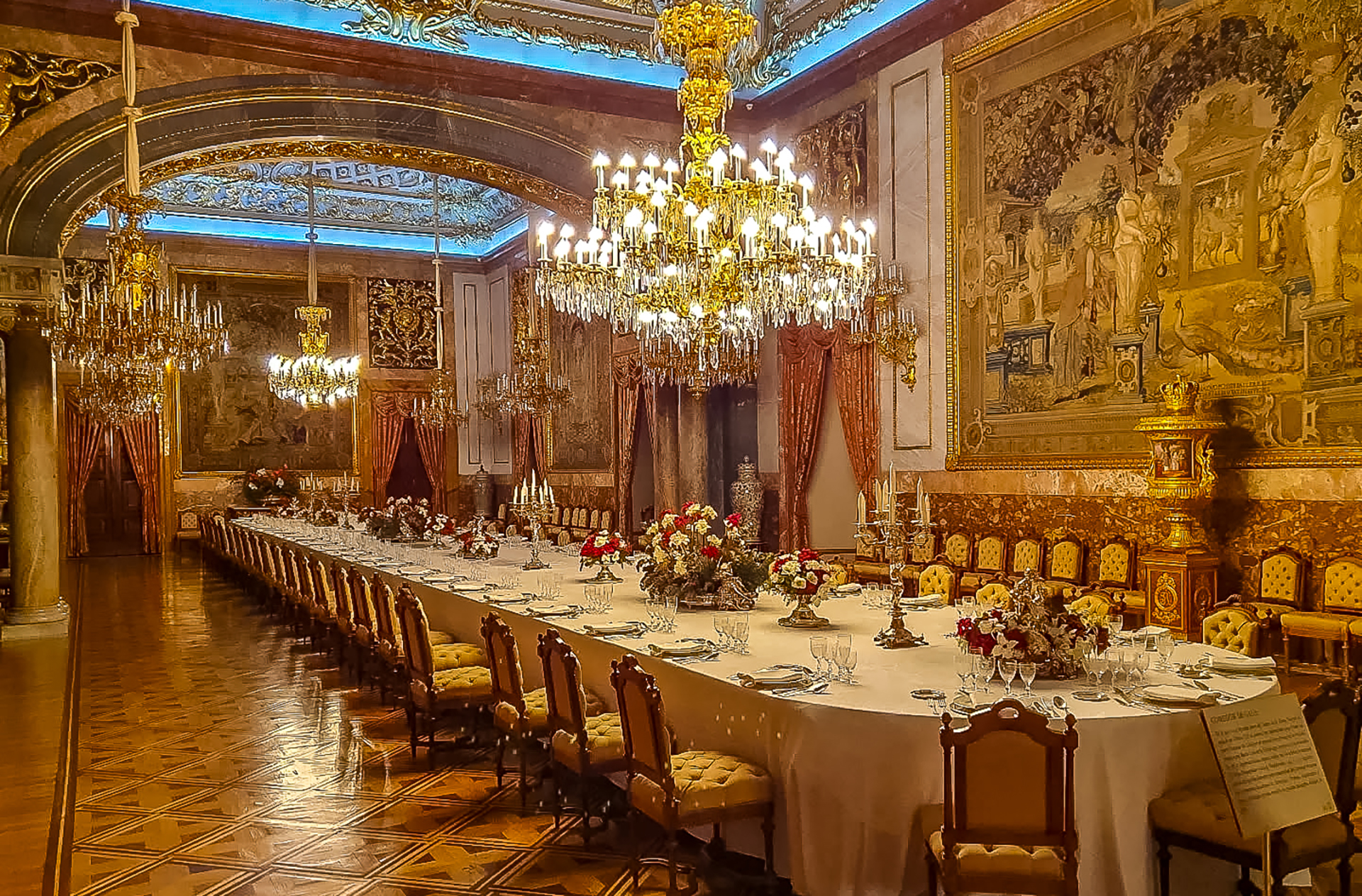
I was also glad my wife persuaded me to queue for the royal palace in Madrid which had stunning interiors, including a state dining room for 150 guests. The decoration of the rooms was exquisite. A deep indigo velvet wallpaper was used in one reflecting a Bourbon style. There were Stadivari stringed instruments, copious china collections and a host of major artworks. The palace helps set the city in its historical context at the heart of world exploration with shifting religious allegiances over the centuries between the Moors, the Muslims, and Christians, embracing spells of great exploration when the Spanish language was spread widely, especially in Latin America, by the conquistadors.
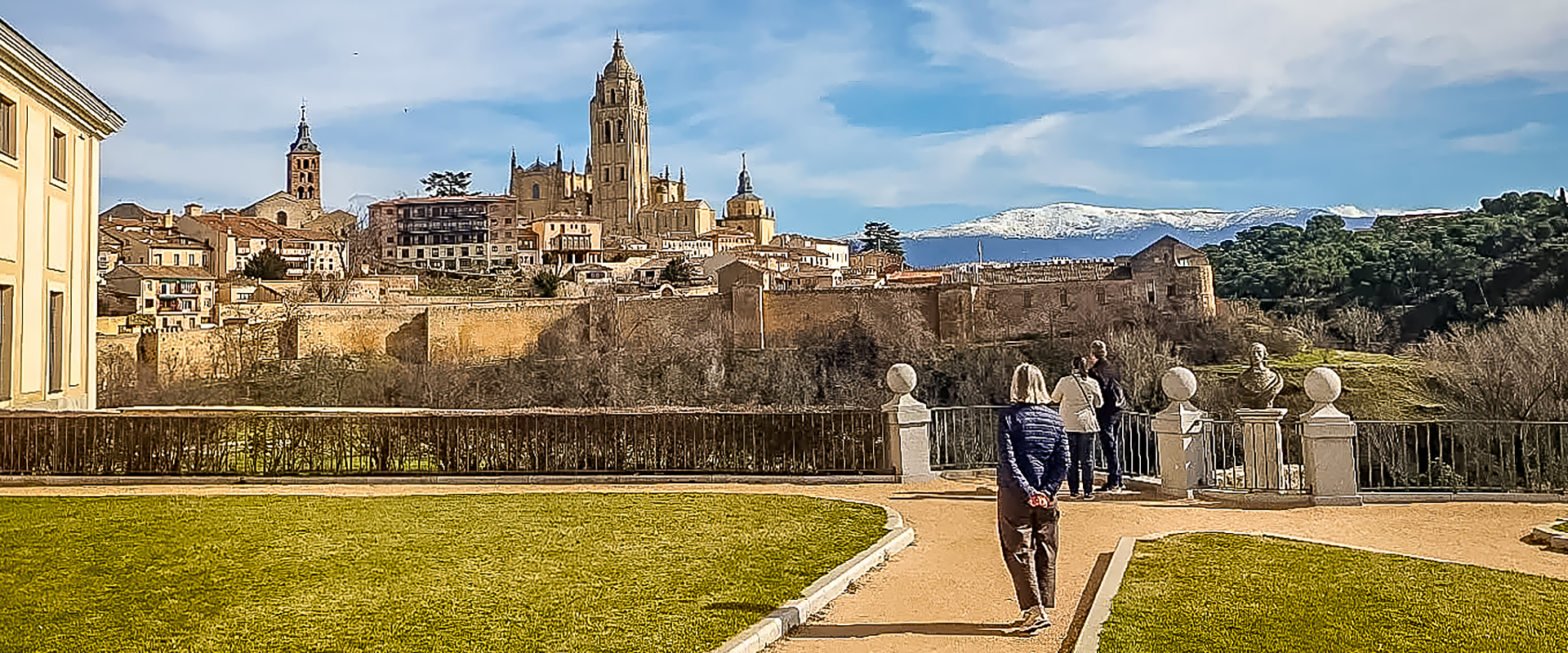
But our own Age of Discovery in Spain began when I covered sailing events from coastal Barcelona, Valencia and Alicante, then we had short breaks in southern Spain to explore Granada, Cordoba, Seville and Cadiz. This was our first experience of the central massif region with its distant snowy mountains of the Sierra de Guadarram. I’m pleased we chose February because the traffic congestion and heat in high season would have been too much. As it was, we went most places on foot, having not mastered the bus system, and ate where locals eat, which ensured we did so economically and authentically. A five euros paella here, a crunchy churros pastry there, the occasional glass of rioja or vermouth, nice coffee everywhere. A couple tried to get us to eat ‘chicken like’ frogs legs but we chose not to despite some red-blooded meat eating – lamb and pork, mainly.
Once off the beaten city streets, you are warned more about street life with pickpockets and beggars, and there is evidence of homelessness in this country of high youth unemployment – 42 per cent of 16-19 year olds are out of work. But the galleries and church buildings are outstanding. In Toledo, with its second largest cathedral in the country, spiritualism is on a gargantuan scale, in the body of the building as well as in the gallery attached.
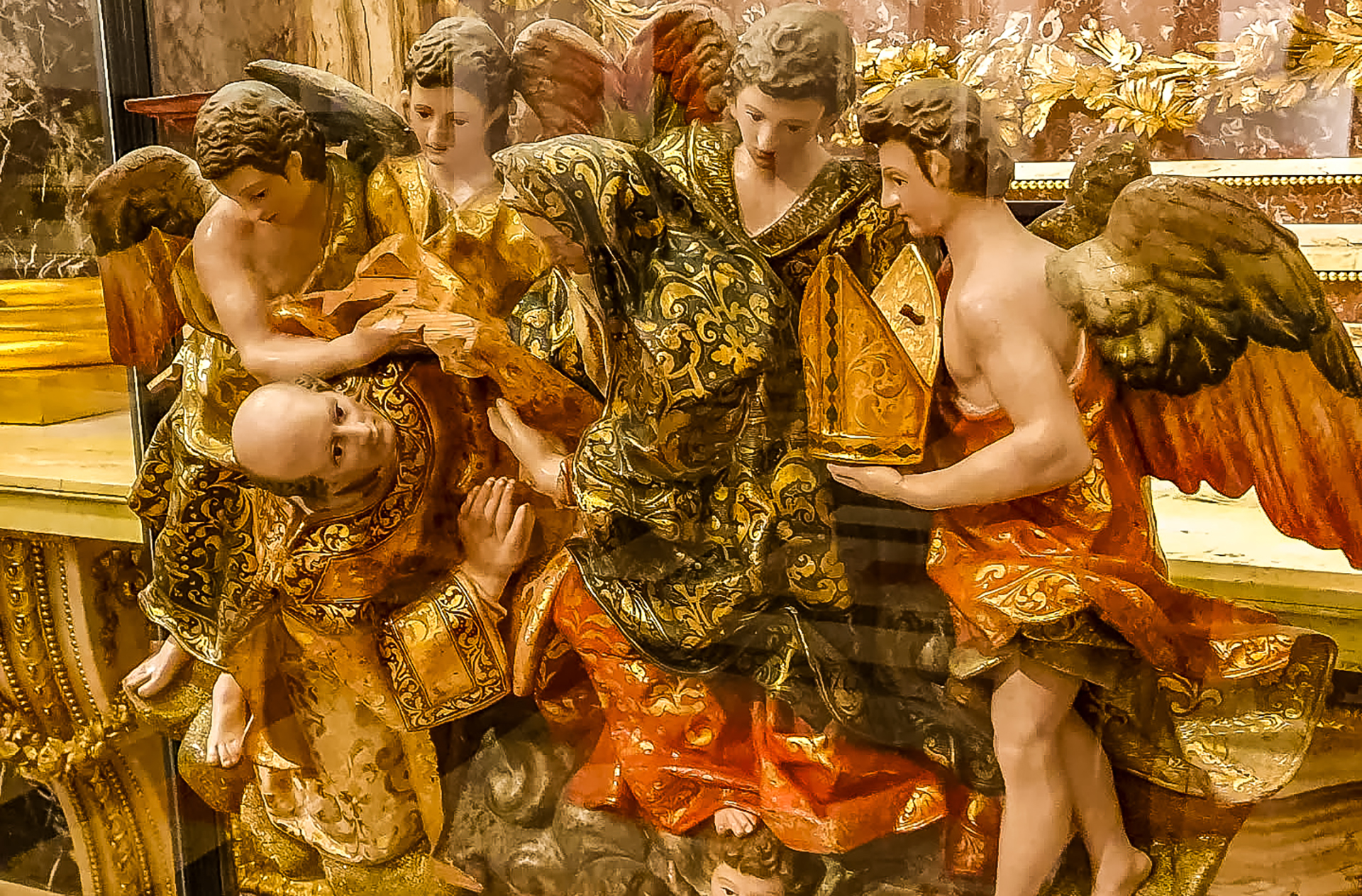
Behind the mighty reredos you can see figures climbing heavenward into a dome’s aperture in the ceiling, a sense of spiralling to infinity. There are also cardinals’ hats suspended from the ceiling to mark the graves of churchmen. The cathedral, we were told, has 11 organs, two of them facing the quire where our guide said there was a ‘Google-like’ collection of saints, disciples and characters from both testaments around the choir stalls. We heard a lovely story from Toledo on our return about an order of nuns and their artwork; The handful of nuns from the Convent of Santo Domingo El Antiguo have lent their priceless El Greco paintings to the Prado museum in exchange for expert restoration. They normally make their living making and selling marzipan. The Prado Museum restored one of the nuns’ paintings in exchange for the loan of the three others.
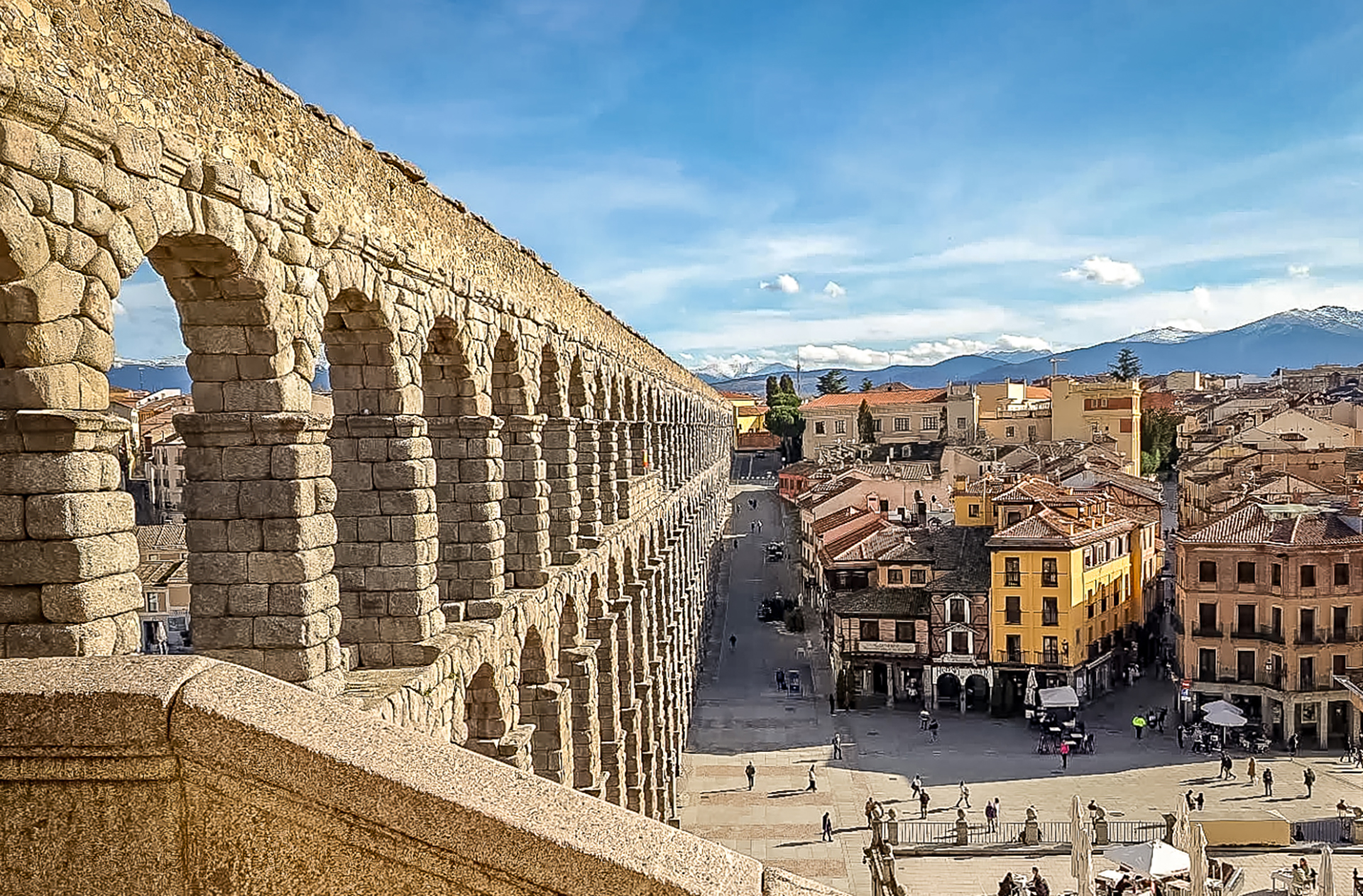
Another great day out from Madrid was in Segovia, dominated by its cathedral, castle and a magnificent two-tiered Roman aqueduct which tops the main street and forms the backdrop to squares, markets and eateries. We were mesmerised by the roosting storks on the very tops of cedar trees just outside the Alcázar with its fairytale towers and deep moat. It’s amazing what you can pack into three and a bit days, including two visits to contrasting cities nearby, but just don’t get caught packing a pistol – replica or otherwise.

Simon Greaves is Film and Video Revise Editor at the Financial Times
Simon stayed at the Opera Hotel in Madrid: https://www.hotelopera.com/en/
More about the collections at the Prado Museum can be found here: https://www.museodelprado.es/