
Off The Beaten Track
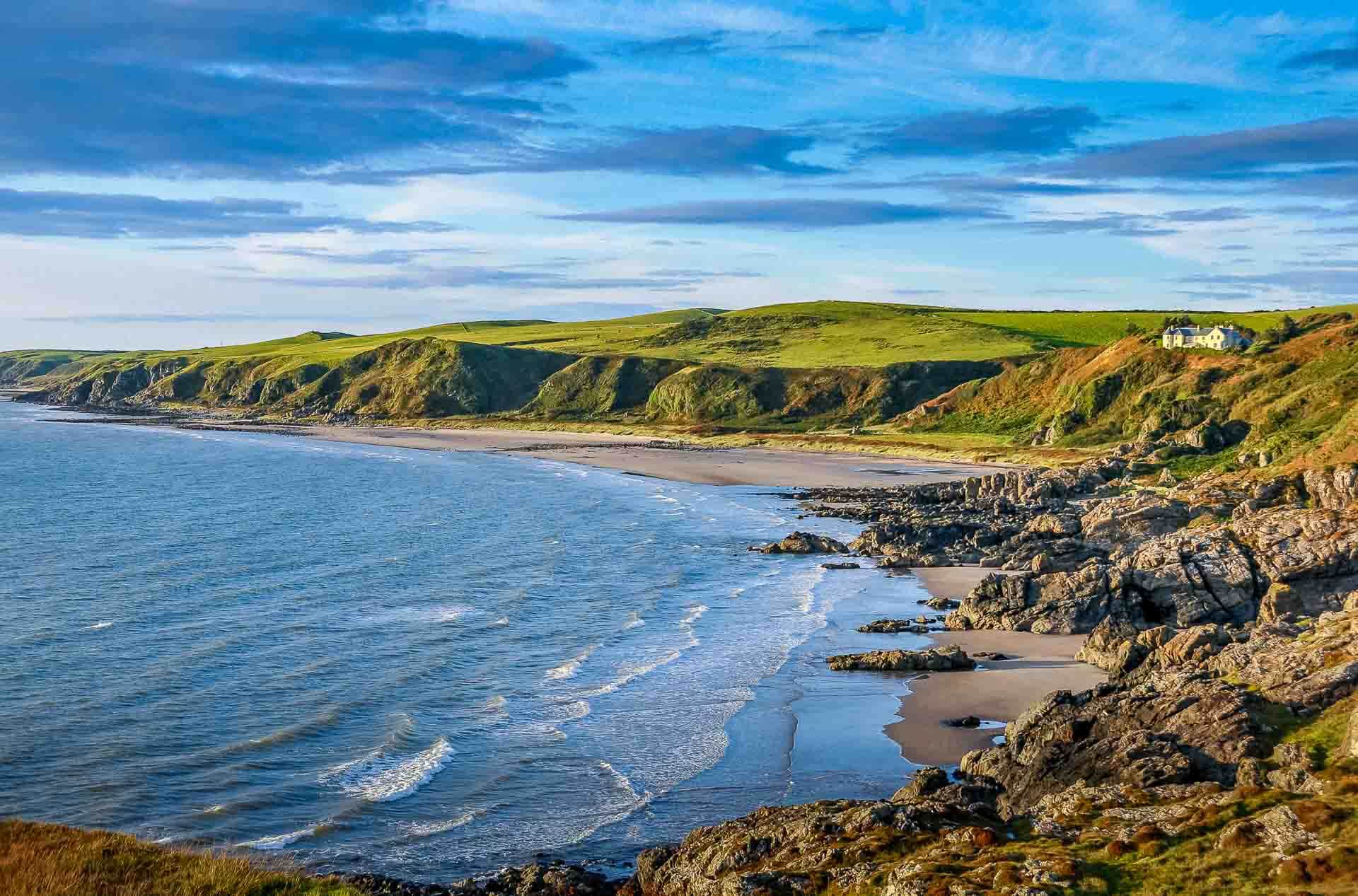
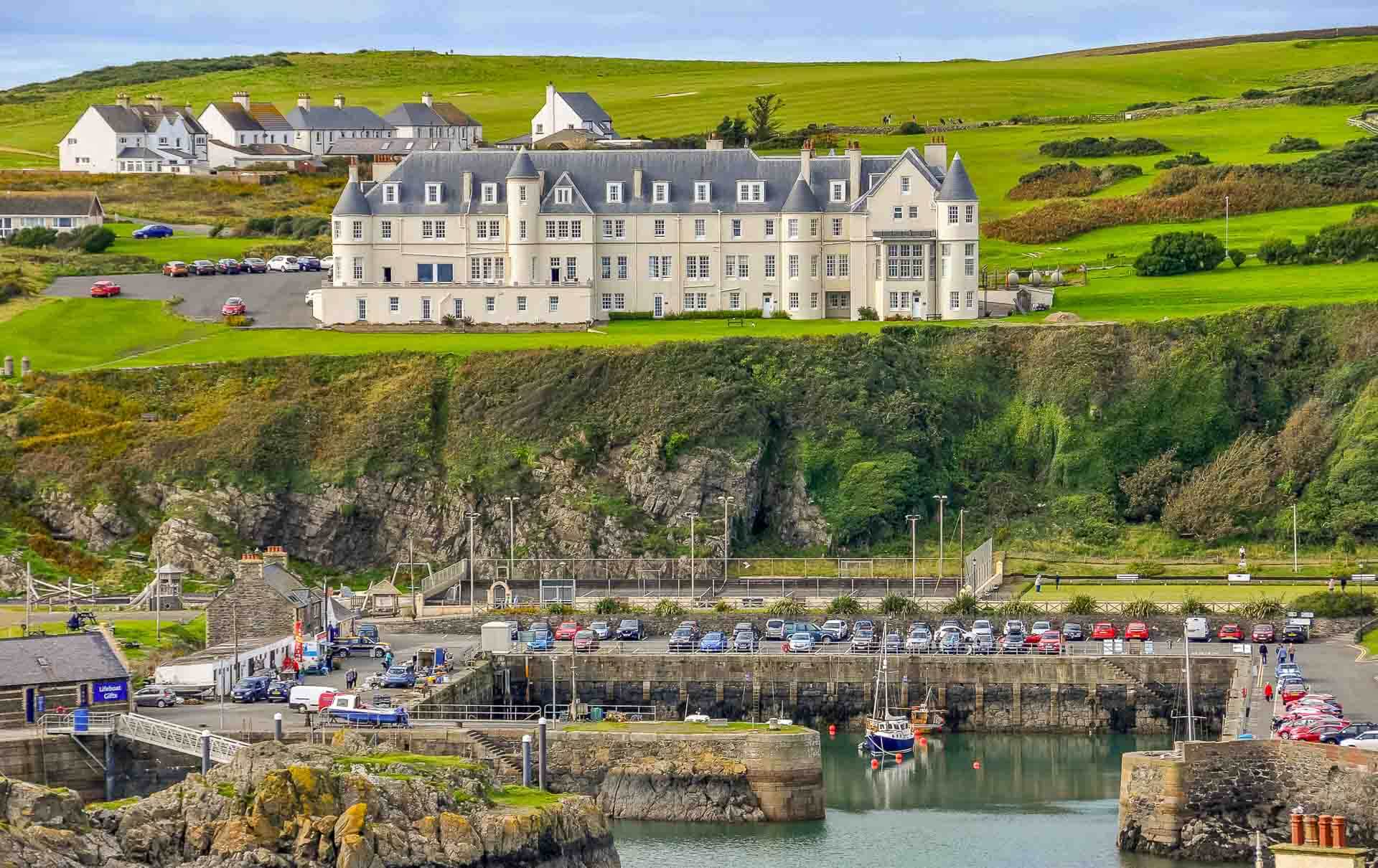
The imposing Portpatrick Hotel stands, almost benevolently, above the tiny fishing village of Portpatrick, Scotland’s hidden gem on the west coast of the Rhins of Galloway.
It’s probably as far west as you can go in southern Scotland, and nearly as far south as you can go in western Scotland.
Travelling to Portpatrick involves a bit of trek. It wouldn’t be on your way to many other attractions north of the border, but the first glimpse of pastel painted cottages wrapped around the intimate harbour immediately make it worth the effort.
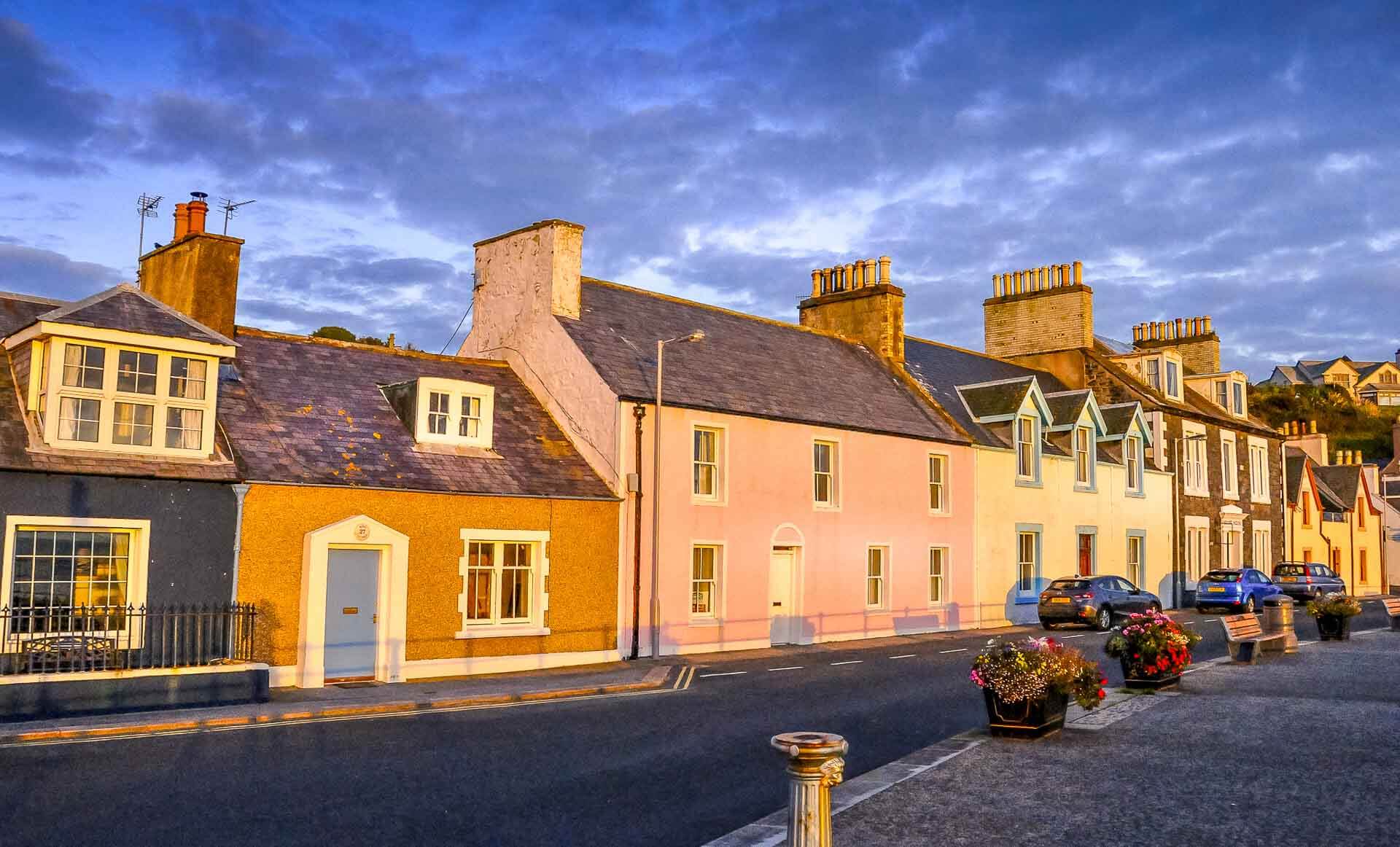
The crescent shaped beach and sheltered harbour boast views of the Irish coast just 21 miles away and remain the focal point of a village founded on fishing over 500 years ago. As the closest port to Northern Ireland, Portpatrick was once the main crossing to Donaghadee, but time and the batterings of the Irish Sea destroyed two piers and put paid to any aspirations as a modern transport hub.
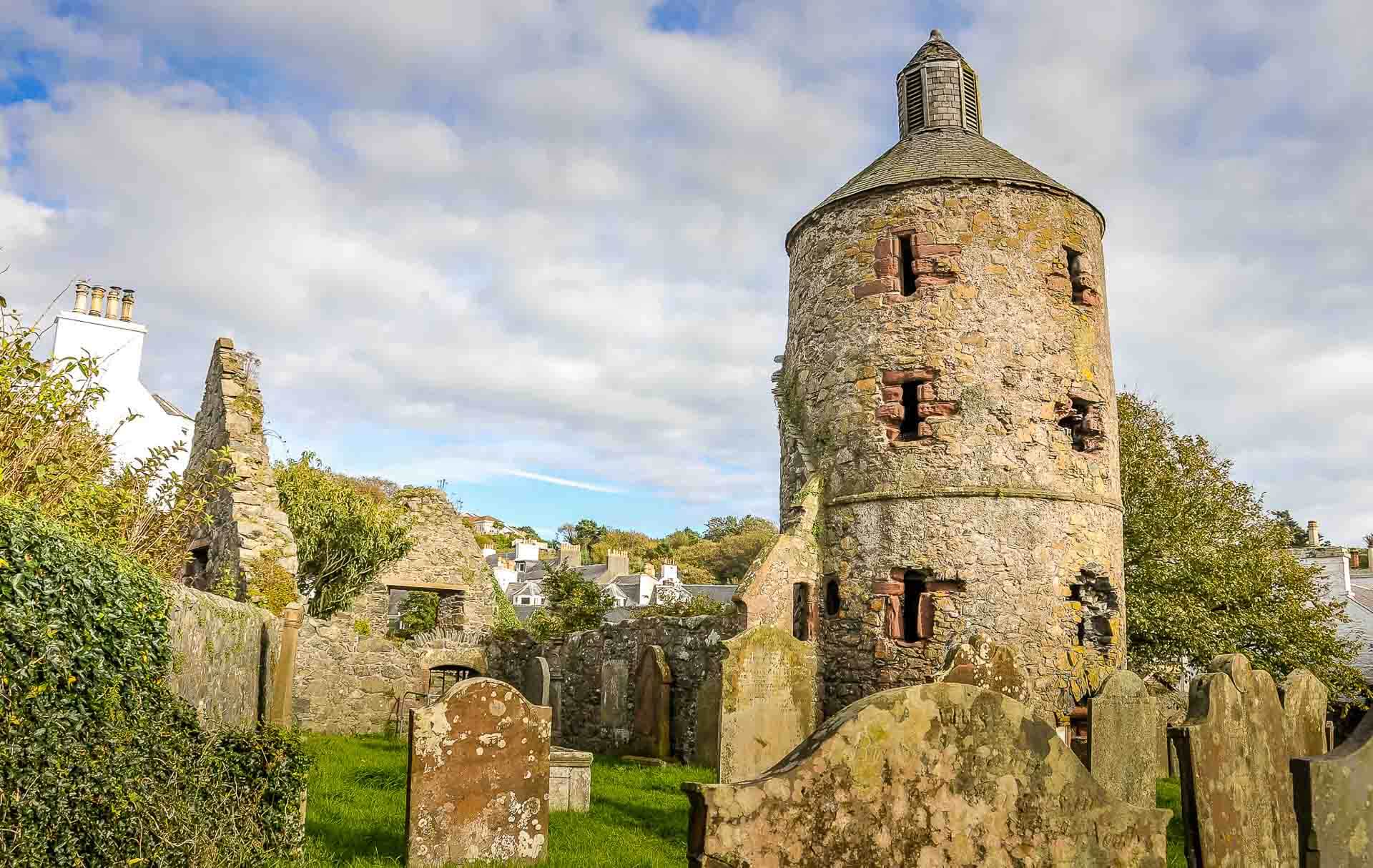
The roofless remains of St. Patrick’s church, along with a circular tower dating back to the 16th century, stand testament to Portpatrick’s early reputation as the Gretna Green for Irish lovers. The daily packet boat from Donaghadee would bring couples for a service conducted by the Church of Scotland minister in Portpatrick who conveniently overlooked the publication of banns or required periods of residence. Stories tell couples would disembark, get married, and be back aboard and returning home, within the hour.
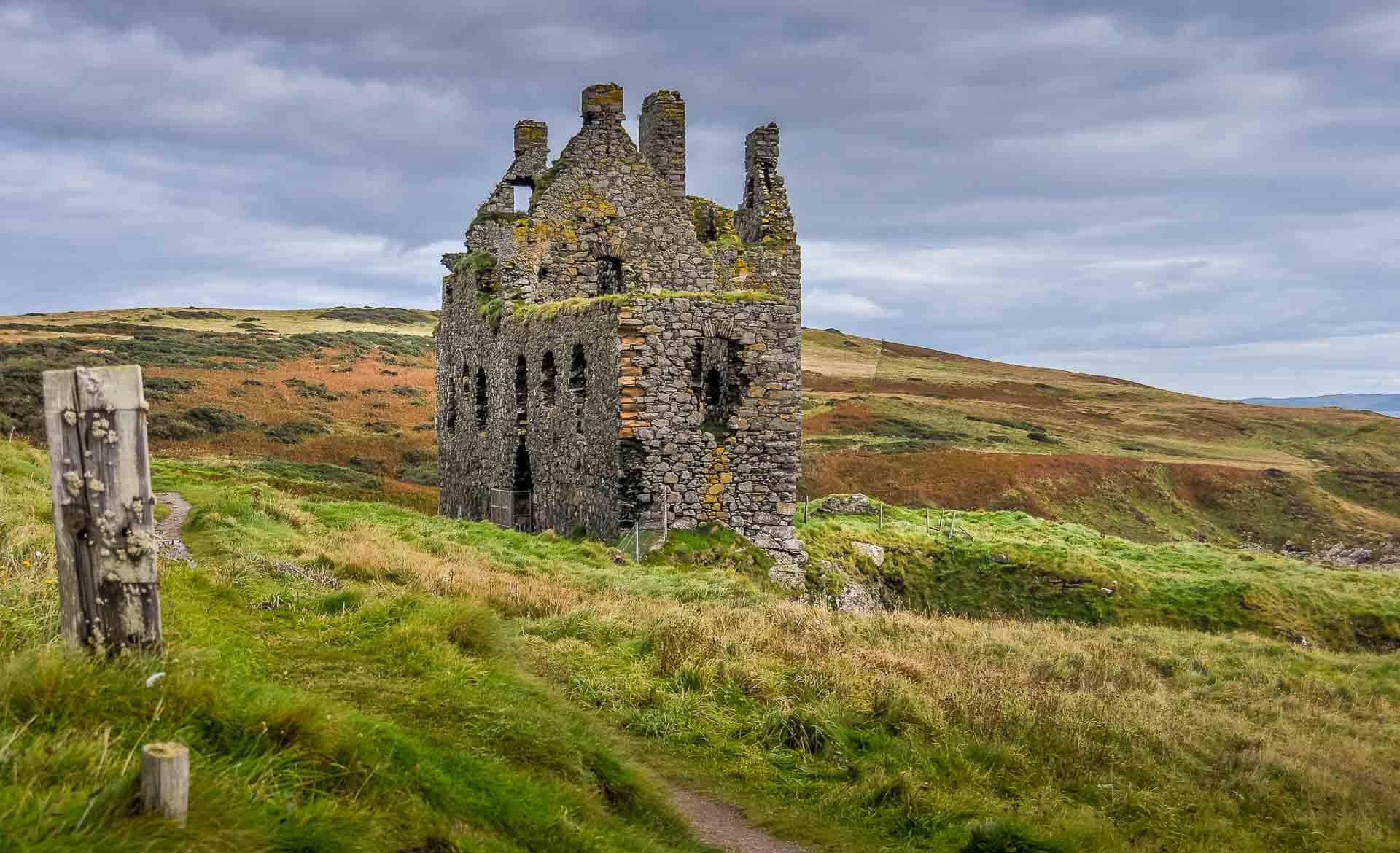
Just south of the village, following a short but vigorous walk along the cliff top path, lay the ruins of Dunskey Castle. Built in the 16th century upon the site of a previous fortified residence, the castle enjoyed a short-lived existence, being declared ruinous by 1700.
Notwithstanding, these atmospheric ruins, perched atop their rocky promontory, have enjoyed a reputation as one of the most haunted places in Galloway. One such tale claims an ancient minstrel, incarcerated by a murderous lord to starve in the dungeons below, died a slow death listening only to the roaring waves of the Irish Sea. To this day, it is said that on a stormy night, you can hear the minstrel’s pipes playing above the sound of the waves as his ghost paces his subterranean prison.
To the north, starting just above the harbour, the Southern Upland Way commences its 214-mile route to Cockburnspath on the east coast. Crossing some spectacular Scottish scenery, this public footpath remains undiscovered by many and in places, can prove a challenge to even the most experienced.
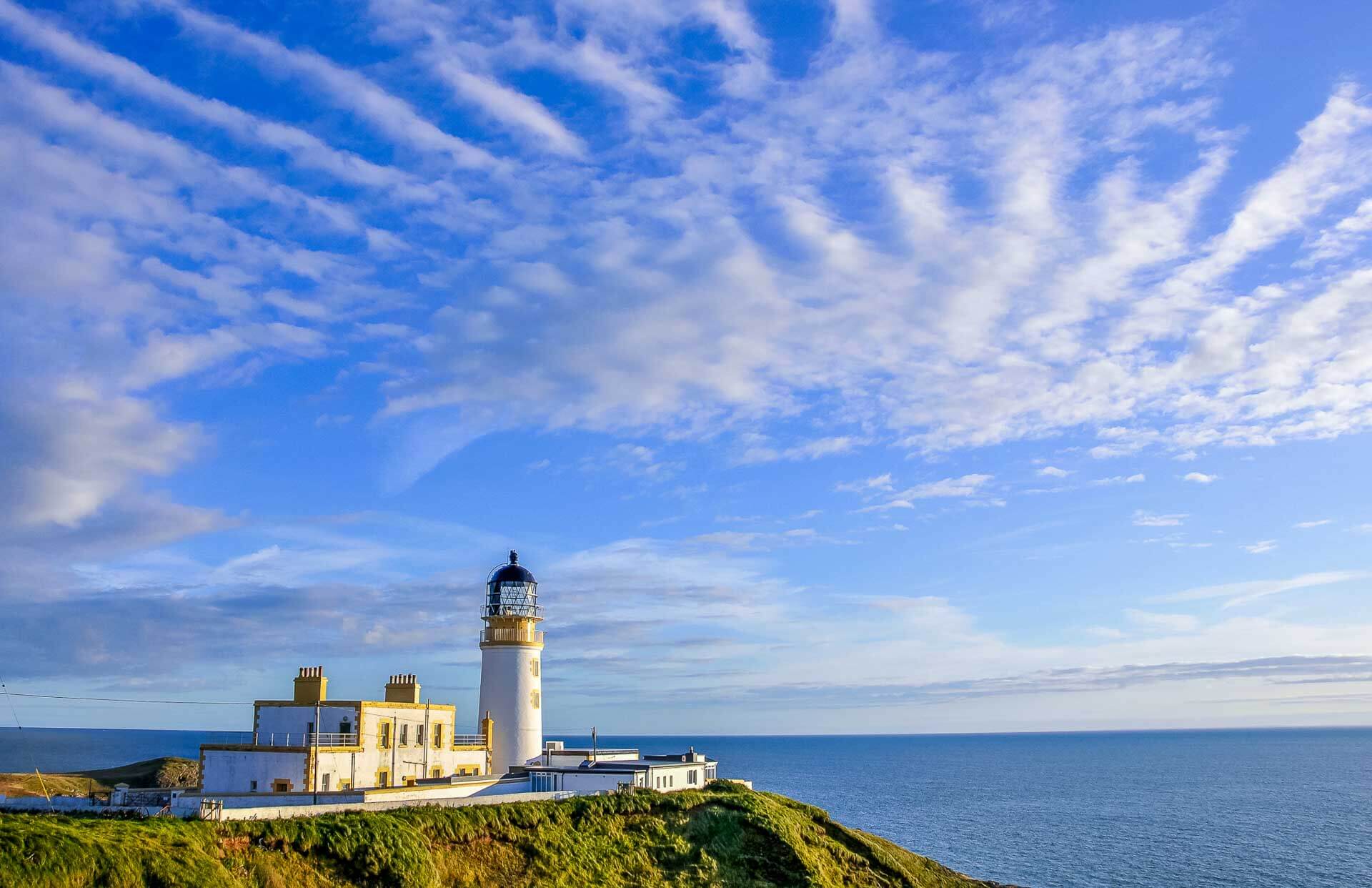
Located at Black Head, just three miles along this cliff top walk, stands Killantringham lighthouse. Taking its name from the sweeping sandy beach to the north, the lighthouse served as a waypoint in the north channel of the Irish Sea. Built in 1887 it served for little more than a century, being decommissioned in 2005, but remains a striking attraction along the Southern Upland Way.
With the Gulf Stream encouraging a generous climate, beaches to the north and south, a village putting green, numerous golf clubs, bowls clubs, guesthouses, and hotels, you’d imagine Portpatrick is regularly overrun with tourists. Not so.
“It can get busy in peak season” says the proprietor of The Crown, one of the most popular hostelries in the village. “But we’re off the beaten track for many. The Americans love Scotland, but they do Edinburgh and the whiskey trail, then go back to London. We’re often overlooked by the travel guides, which is a great shame. We’re a bit of a hidden gem.”
Where to stay: