
Reflections on Varanasi
Kaashi, the historical name for Varanasi, often hailed as the ‘City of Death’ in Indian mythology, holds a profound significance for those seeking spiritual solace and liberation.
Returning home for a much-needed break after my graduation in the United Kingdom, visiting Varanasi to rekindle my spirituality and extend gratitude to the almighty for all the blessings bestowed upon me, was on top of my bucket list. This was my first venture to the state of Uttar Pradesh and a travelling companion who knew their way around the city was of utmost importance. My partner in crime and my best friend, my Dad, was the obvious choice. A seasoned traveller and spiritually awakened individual, my father had once interned in Varanasi during his youth. Returning to familiar ground, he found himself confronted with a city that felt simultaneously familiar and foreign.
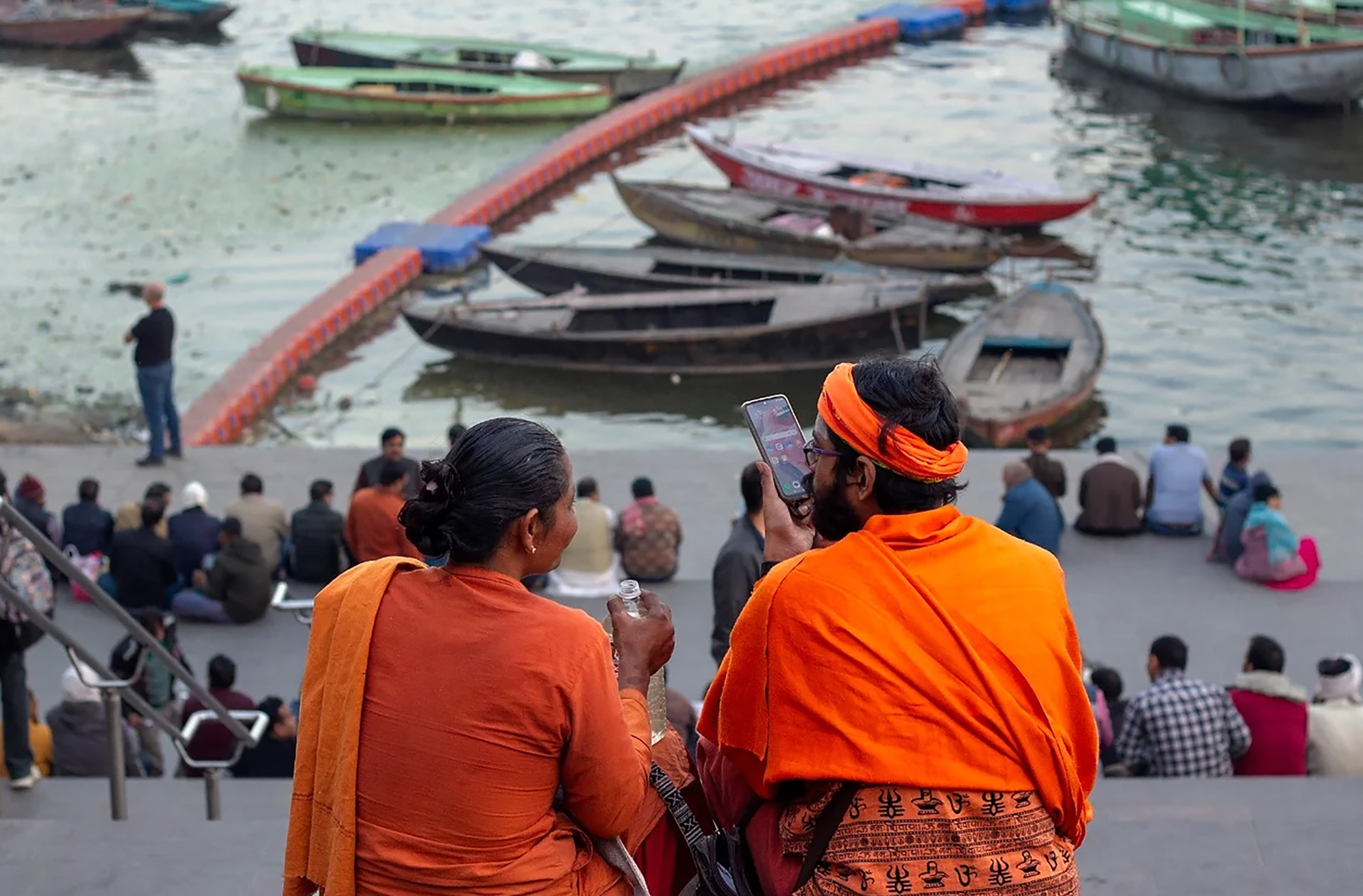
Brimming with excitement as our train entered the Varanasi Junction rail station, we set out to navigate the maze-like streets. Three hours into our exploration it became evident to me that Varanasi’s cultural vibrancy was juxtaposed against the alarming signs of pollution and decay. While the infectious and high vibrational energy enclosed me in a layer of peace and calm, I could not look past the stark reality of environmental degradation and climate change looming over this ancient city.
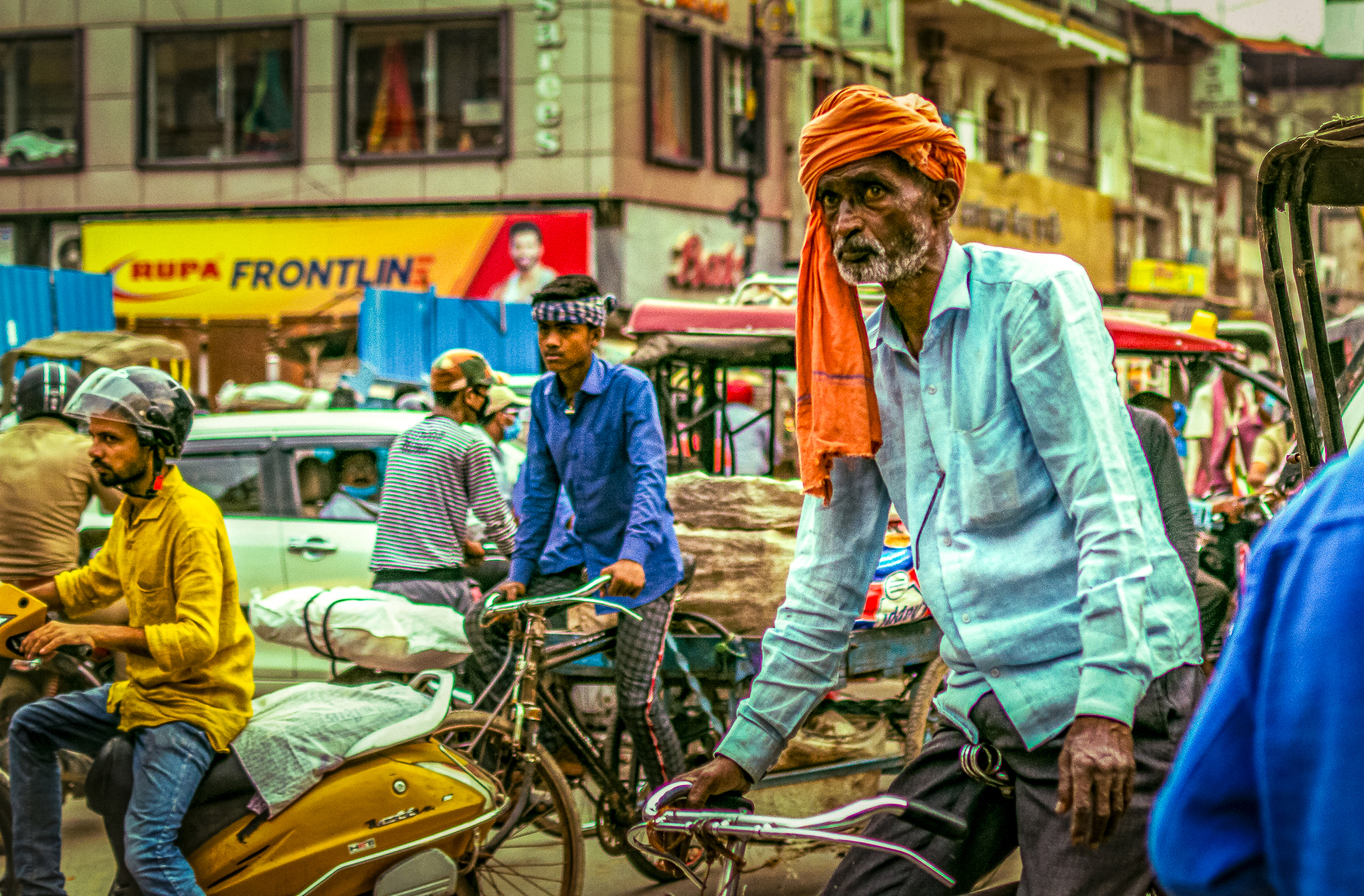
The first thing that struck me was the pervasive pollution caused by the overwhelming number of vehicles clogging the narrow roads. Traffic jams were a constant occurrence, “rozz marrah ki pareshaani”, the daily chaos, as labelled by our Uber driver. Intensifying the already problematic traffic issues was the reckless removal of wing mirrors – a desperate measure taken by drivers to improve navigation of the chaotic streets. The charming streets that hold so much significance to the Hindu population of our country, bore the telltale signs of gutka consumption, the highly addictive tobacco product that can cause cancers, heart disease, and birth defects. The red-painted roads serve as stark reminders of the city’s struggle with addiction and the associated environmental consequences.
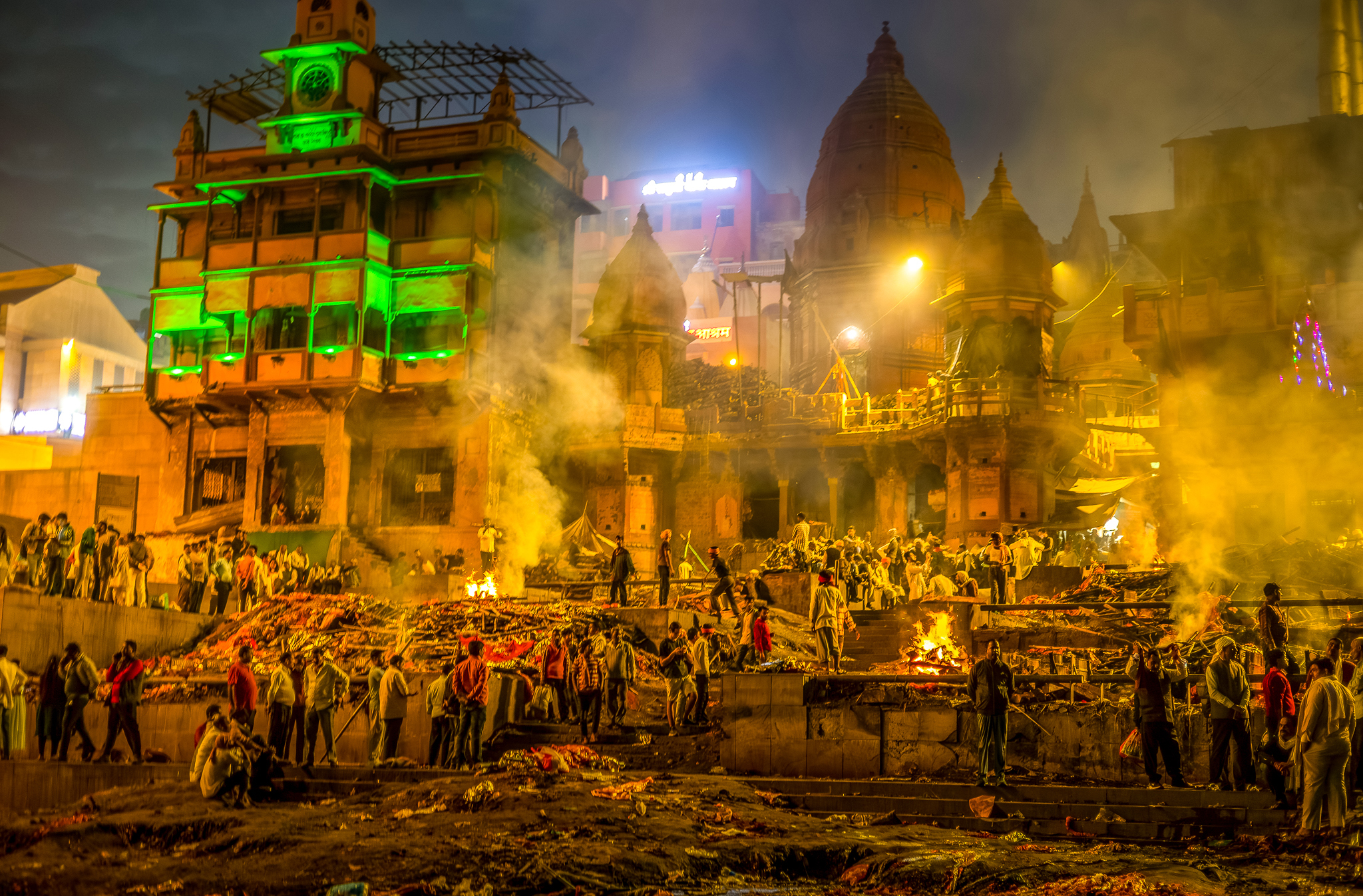
Varanasi’s status as a sacred site for Hindu funeral rites brings another dimension to its environmental challenges. Varanasi is the only city in India where funeral pyres burn 24 hours a day, seven days a week. According to Hindu mythology, it is believed that a human’s soul attains moksha (liberation from the eternal cycle of life and death) when cremated here, hence the Manikarnika ghats in Varanasi witness between 80 -100 pyres per day. While these rituals hold deep spiritual significance, the plumes of smoke released further deteriorate the quality of air throughout the city. According to research, the air quality in Varanasi has degraded by 70% since 2019.
Following the cremations, the tradition of asthi visarjan, or the ceremonial scattering of ashes in the river, adds to the pollution burden, degrading the water quality of the sacred Ganges. Upon interviewing the Doms (caretakers of the cremation grounds), another complication that comes to light is their dependence on cremations to sustain their livelihoods.
Beyond its spiritual allure, Varanasi relies heavily on religious tourism as a cornerstone of the economy. Visiting the city in the normally cold month of January, I was welcomed by hot and rather humid weather conditions. The city’s vulnerability to climate change poses a significant threat to both its tourism infrastructure and livelihoods. The increasing threat of extreme weather events and recurrent flooding, intensified by global warming, may well, eventually, disrupt the flow of visitors and seriously jeopardise the local economy.
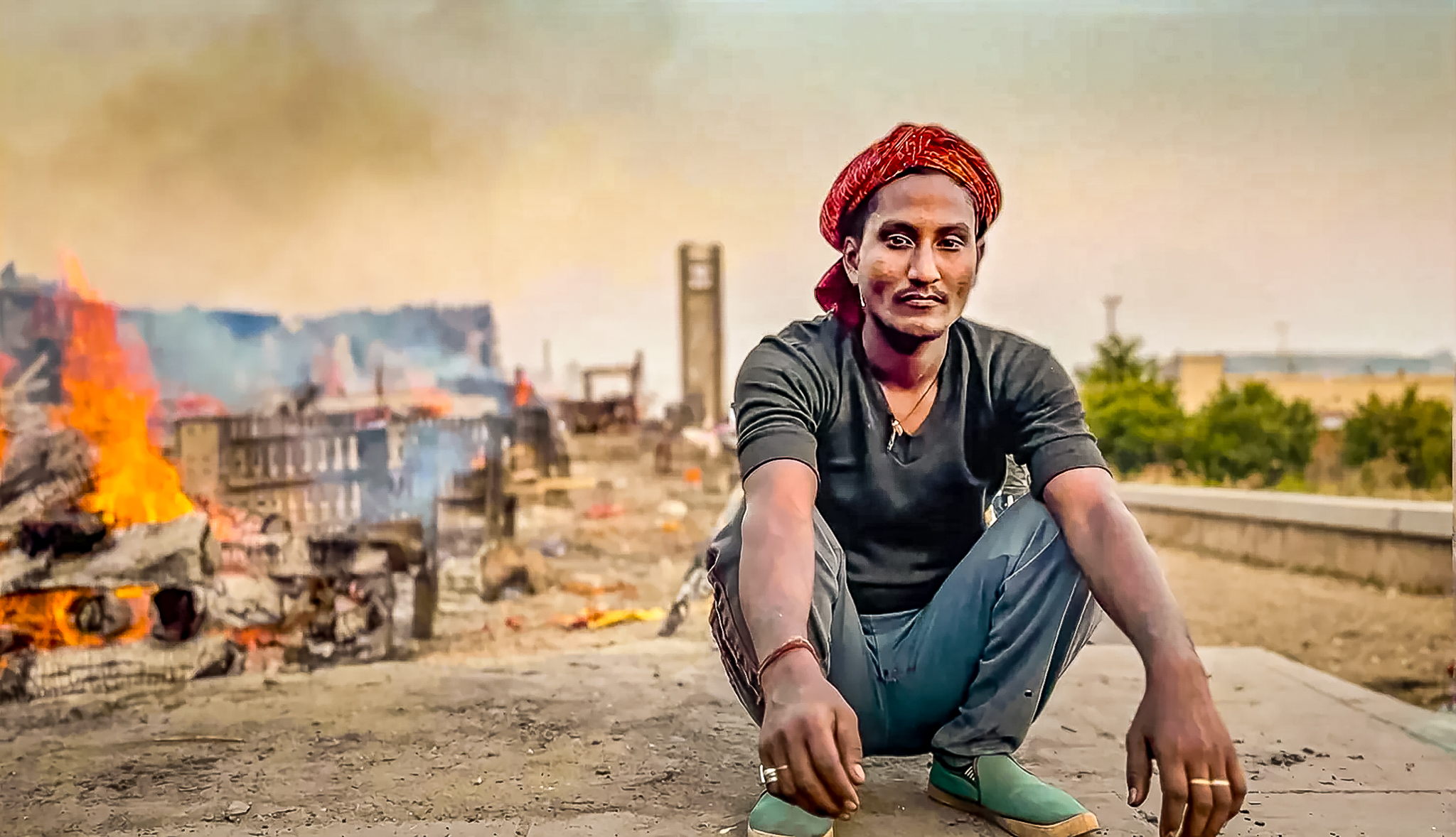
We, as travellers, writers, and global citizens, need to confront the realities of climate change and campaign for sustainable solutions. Like many places around the globe, the parity between spiritual sanctity and economic stability hangs in the balance as Varanasi grapples with the challenges of climate change. We must tread lightly upon this sacred ground, to nurture and protect it for the generation yet to come. As I stood amidst the ancient ghats, enveloped in the ethereal haze of incense and the gentle whispers of the Ganges, I couldn’t help but feel a profound sense of responsibility. For Varanasi is not merely a city of stone and mortar, it is a living, breathing embodiment of centuries-old traditions and timeless wisdom. It is a place where the sacred meets the mundane, where the ephemeral dance of life and death unfolds against the backdrop of eternity.
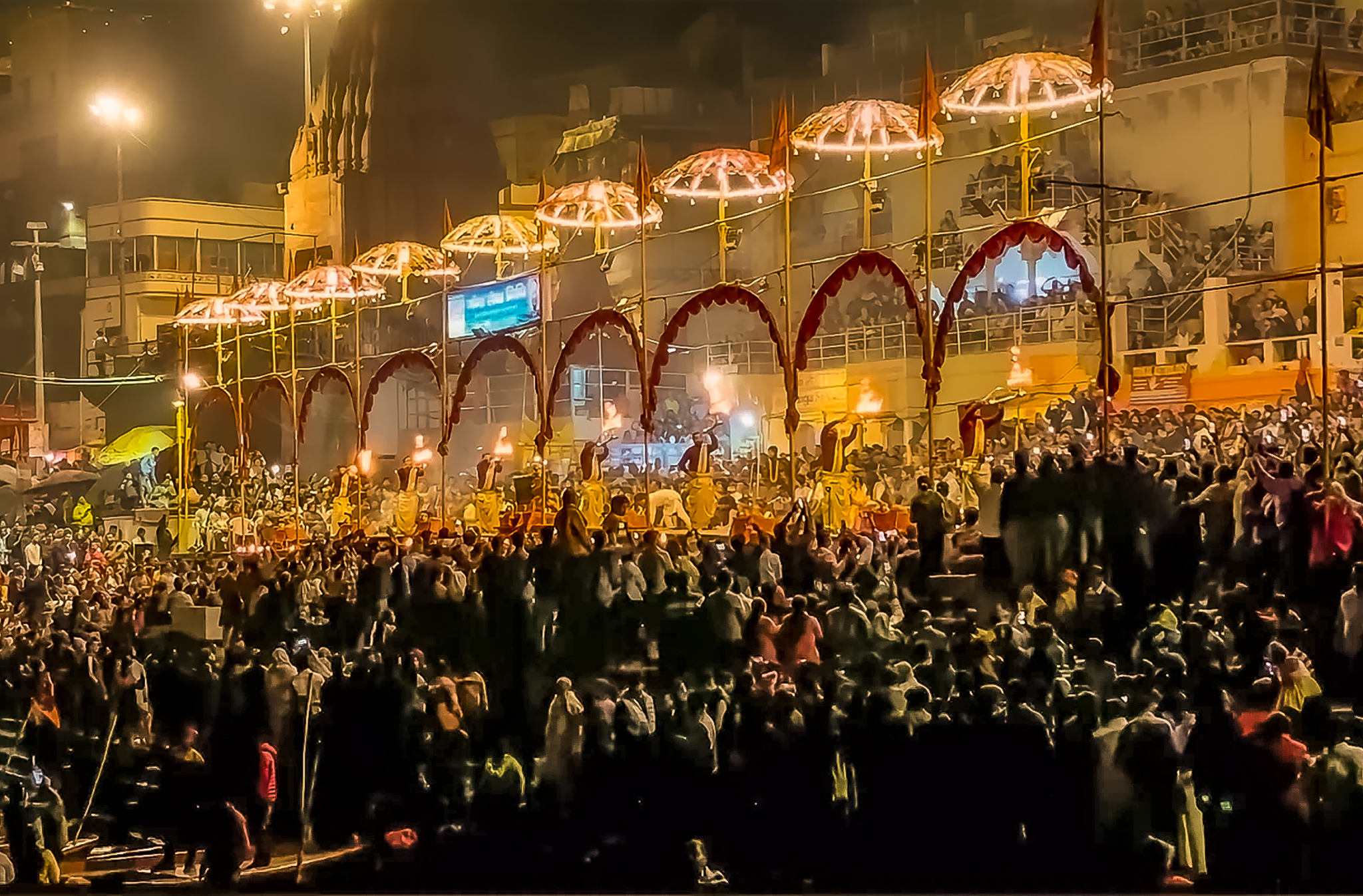
Amidst the beauty of the Ganga Aarti, the powerful and uplifting daily ritual of worshipping the River Ganges, fear spoke softly to me. It spoke of the urgent need to preserve the sanctity of Kaashi, for in the heart of Varanasi, lies not just the soul of India, but the soul of humanity.
This story was first published on https://www.sukrititaneja.com/
Pictures by Sukriti Taneja and Unsplash https://unsplash.com/