Where Birds No Longer Sing
On a trip to the beautiful medieval city of Krakow earlier this year, I felt compelled to visit Oświęcim—the town whose name became synonymous with the infamous Auschwitz-Birkenau. Where most associate holidays with relaxation, this day trip demanded reflection. It summoned grief, anger, and a hollow ache for those who fell victim to the Nazi occupation of Europe.
As a secondary school History teacher, I had always known I would visit Auschwitz one day. Yet clicking “purchase tickets” felt disturbingly easy, as if booking a trip to a death camp should never sit alongside tickets for salt mines or galleries. It unsettled me. And yet—perhaps that ease of access ensures people do come, ensures they confront this place, pay respects, and carry forward its warnings so such an atrocity never happens again.
Our stay in Krakow was unforgettable in its own right, but on a grey February morning, we boarded the train west. Even before arriving, the landscape set the tone: snow-dusted fields, bare trees, and forests that seemed to whisper of fugitives hiding, or worse—prisoners driven along death marches. The bitter wind gnawed at my bones. The shadows in the woods felt haunted.
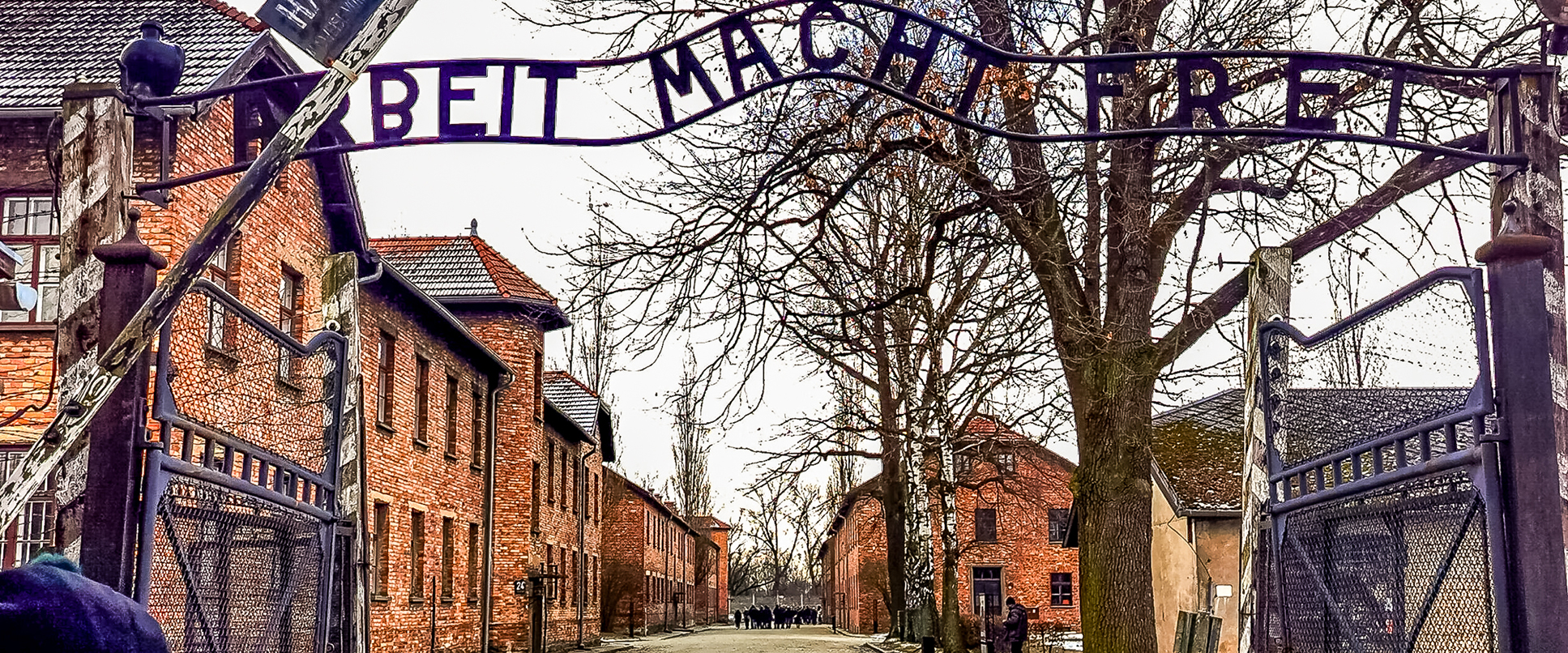
Arriving in Oświęcim was a shock. I had imagined the camp set far from daily life, but instead, it stood at the edge of an ordinary town: blocks of flats, commuters with shopping bags, children heading to school. And then—suddenly—the entrance. Not hidden, but looming by a roundabout, its presence inescapable.
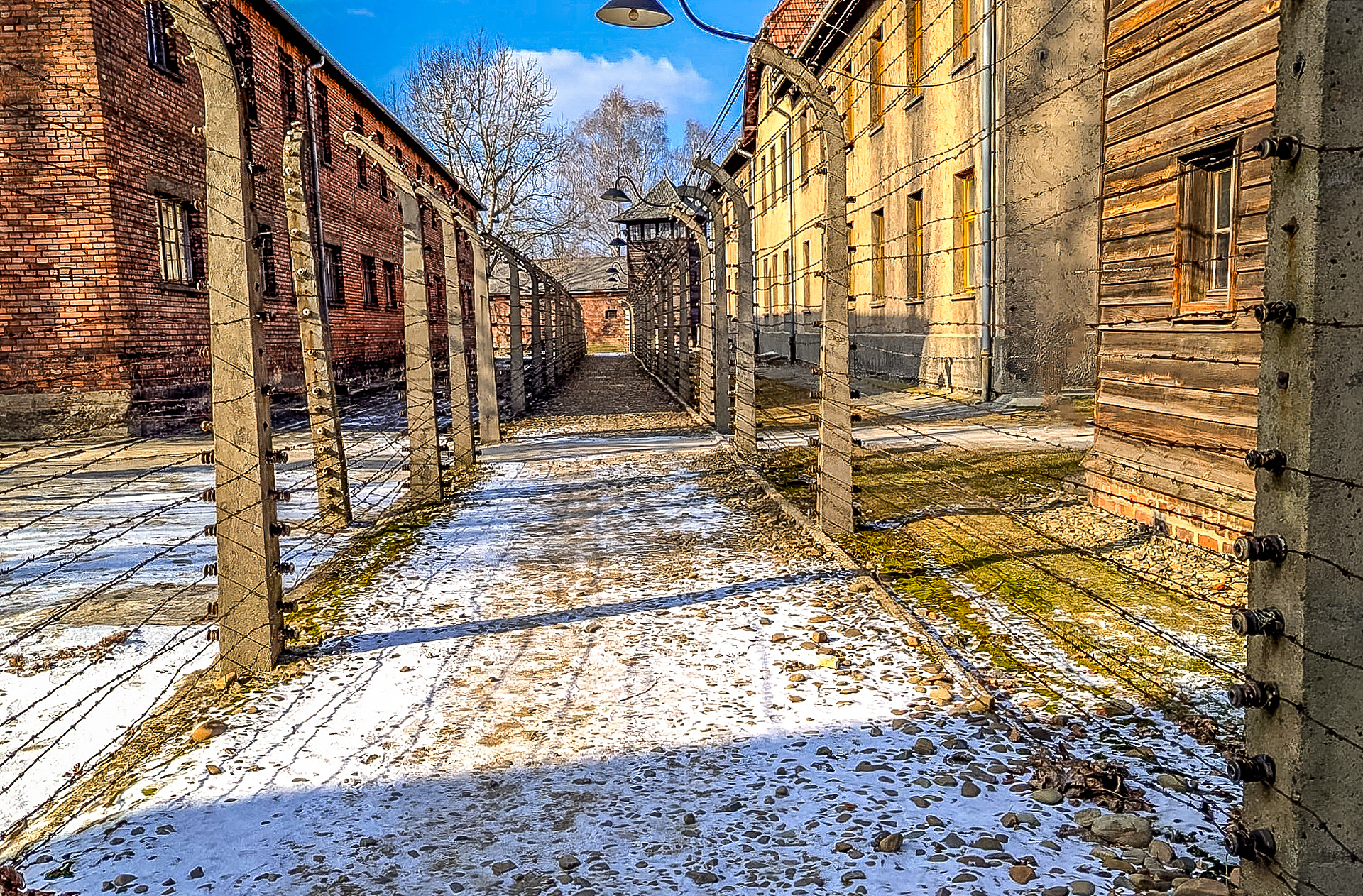
The visit began at Auschwitz I, where tours are tightly guided. We collected headsets to hear our guide, but in truth, silence reigned. Nobody raised their voice; even traffic outside seemed muffled, as though sound itself refused to enter. I had once dismissed the claim that “not even birds fly overhead.” I was wrong. The silence was absolute – as if nature itself knew this was a place of death.

We walked through blocks that chronicled atrocity after atrocity. Torture chambers. The Death Wall. Medical “experiments” devised to engineer the Aryan ideal. I have taught this history for years, but the raw detail still shocked me. Nothing prepared me for the glass cases holding thousands of personal belongings: shoes, pots, spectacles, and small suitcases carefully labeled with children’s names—names their parents believed would help them reclaim their possessions later. A tear slipped down my cheek. The cruelty was unbearable in its banality.
And then the hair. A whole room of it. Women’s braids, cut and stored for rope and textiles. The industrial efficiency of it all—the deliberate calculation—was as monstrous as the acts themselves. This was evil not of chaos but of chilling design.
Finally, we entered the surviving gas chamber. The air inside was heavy, suffocating. A shaft of light from the Zyklon B hatch above only sharpened the darkness. I imagined hundreds clawing for breath, clambering over one another in blind desperation. My stomach lurched. Some survived only because the pile of bodies above shielded them from the gas. Their survival was, tragically, only temporary.

From there we travelled on to Birkenau. The infamous gatehouse rose before us, the railway tracks slicing through the camp and stretching into the horizon. Birkenau was vast—an endless sprawl of barracks and ruins. The icy wind cut across the plain, echoing the misery of those forced to endure it. Inside the barracks, wooden bunks stood in rows, cramped and bleak, scrawled with graffiti scratched by hands I could almost feel pressing into the timber. Whether their authors survived, I will never know.
People say visiting Auschwitz changes you. It changed me. The train back to Krakow with my husband was wordless. He stared out the window, hollow-eyed. The thought of returning to our warm hotel and a planned celebratory dinner felt wrong, almost grotesque.
What unsettled me most, though, was how ordinary the logistics of the visit felt—queuing for tickets, moving in groups, boarding buses—like any other tourist attraction. And then there were the tourists who posed for selfies: at the Death Wall, by the railway tracks, even inside the gas chamber. Smiling. Laughing. I felt sick. Enraged. I wanted to believe they didn’t understand, but I fear they did, and simply didn’t care.
All I can do is carry this experience with me. Remember the 1.1 million murdered here, and the millions more across Europe. Share their stories with my students, who will one day inherit the responsibility of remembrance. We must learn, reflect, and spread the truth. Because the Holocaust was not an accident of history—it was the product of prejudice, hatred, and the silence of bystanders.
It must never happen again.