
Where Sundays Still Matter
A Moorish castle crowns a mountain village, time slows to the pace of olive groves, and Sunday belongs to the women of Tolox.
There is a road in southern Spain that climbs away from the glittering coast and curls upward to a different world entirely. Leave behind the beach clubs of Marbella, the frenetic pulse of the Costa del Sol, and within twenty minutes, you are in the mountains. Here, the air smells of wild thyme and the silence is interrupted only by a distant church bell and the creak of a weathervane. Follow the road a little further, through Ojen, and into the folds of the Sierra de las Nieves, and you will arrive in Monda.
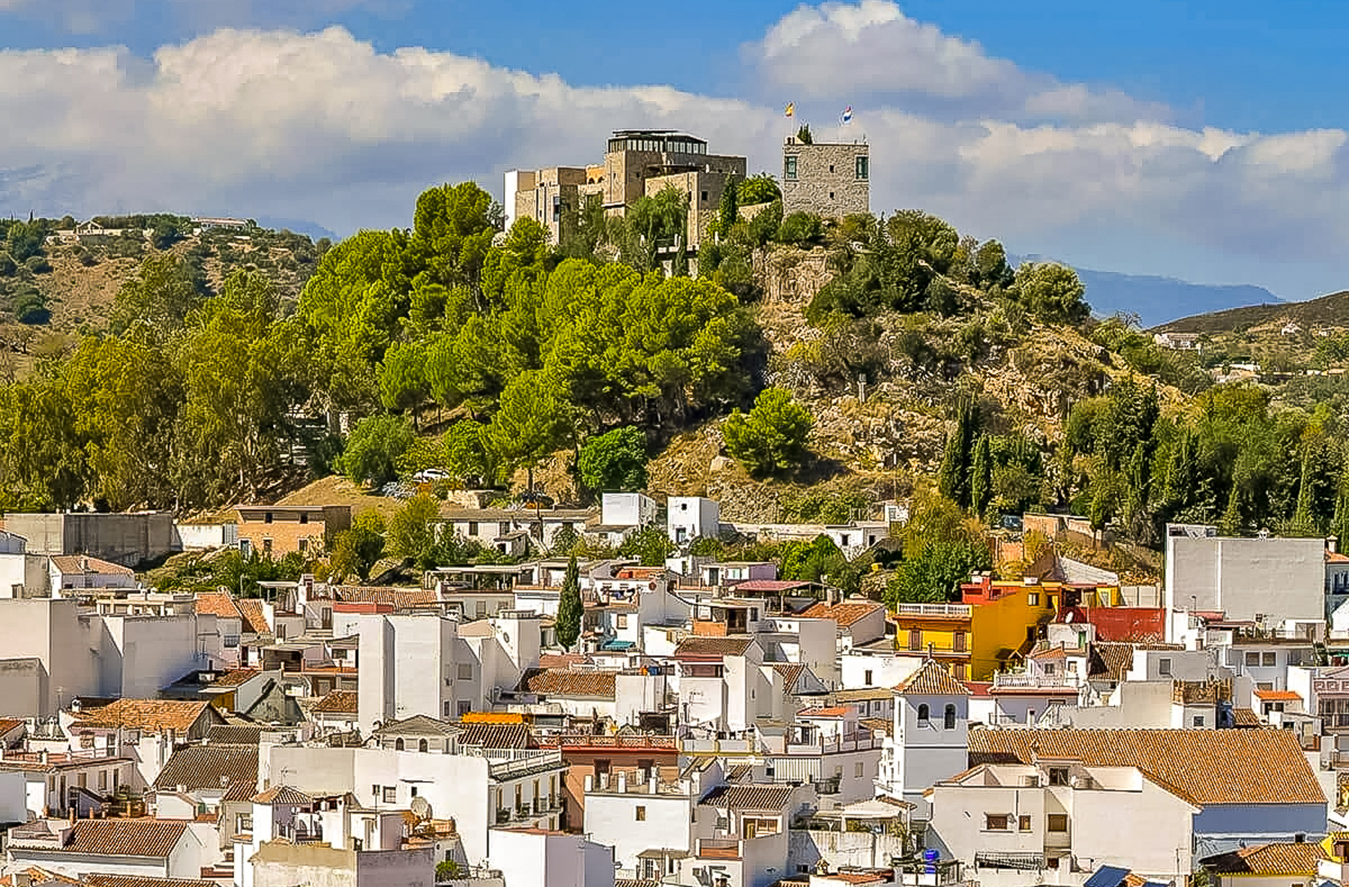
It announces itself with a castle. Long before you reach the village, the Castillo de Monda stands against the sky on its hilltop, its pale stone catching the Andalucian light like an apparition, unmistakable, almost theatrical. Below it spills the village, a tumble of whitewashed houses, terracotta rooftops, steep cobbled lanes, and flowering jacaranda draped over iron balcony rails. It is, in a most unguarded and genuine sense, quietly beautiful.
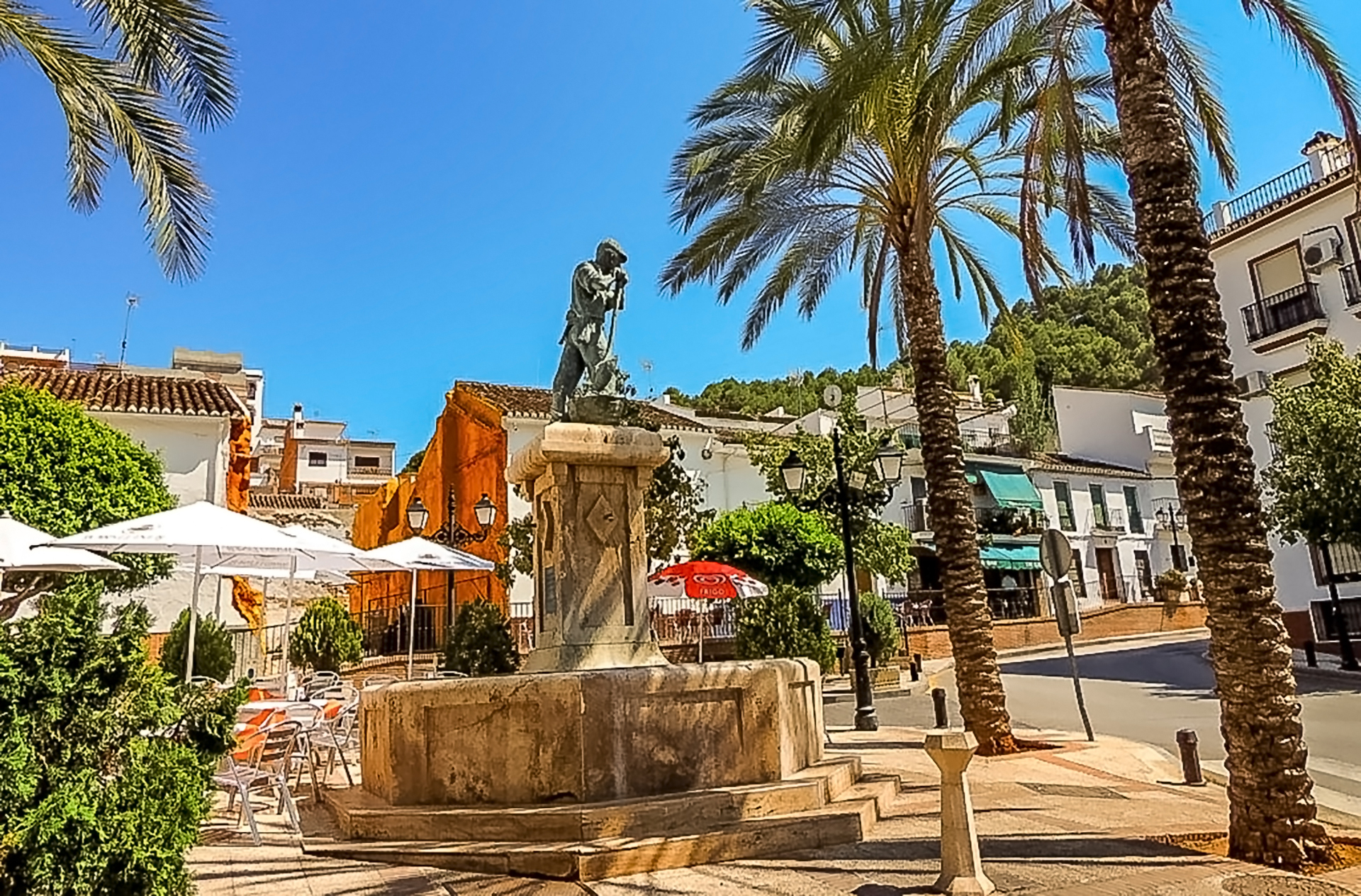
Monda is a village of fewer than 3,000 souls, tucked just 400 metres inside the Sierra de las Nieves National Park, a UNESCO Biosphere Reserve of extraordinary ecological richness, home to Spanish fir forests, wild ibex, and the province’s highest peak. Despite all this protected status and natural grandeur, Monda itself remains refreshingly unpolished. There are no souvenir shops, no clattering tourist trains. There is the central Plaza de la Ermita, a monument to the miners who once shaped this community, a 16th-century fountain and public lavadero where generations of village women came to do their washing, and the handsome Iglesia de Santiago Apostol, built in 1505 on the foundations of a former mosque, its coffered ceiling carrying the geometric memory of the civilisation it replaced.
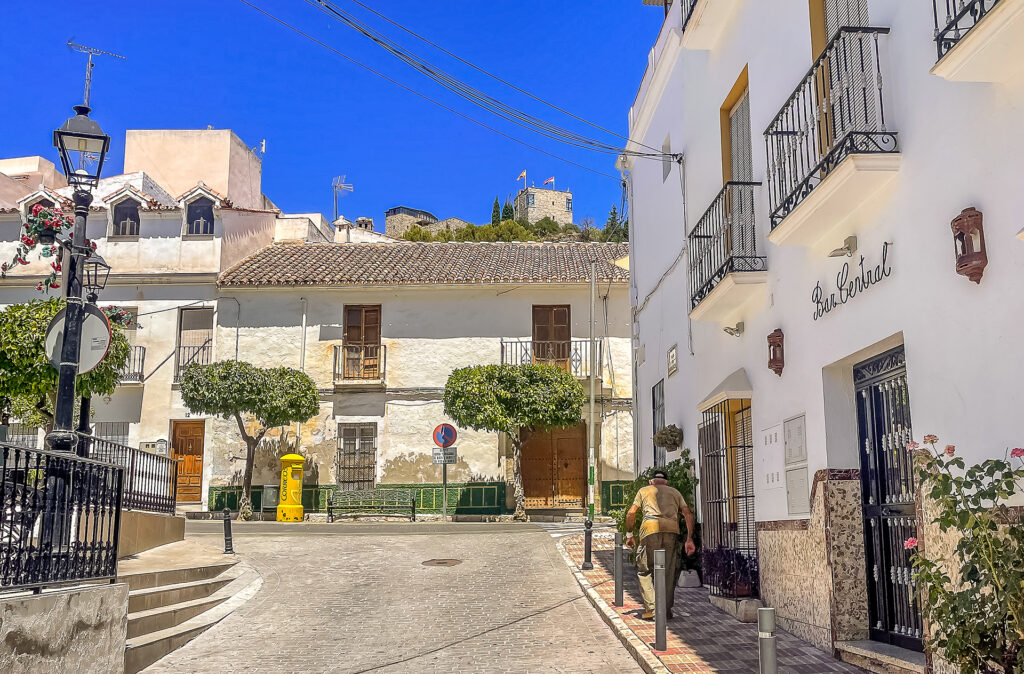 Monda – Wander the lanes on a weekday morning and you will find what Spain used to be before the coast discovered tourism
 Monda – Wander the lanes on a weekday morning and you will find what Spain used to be before the coast discovered tourism
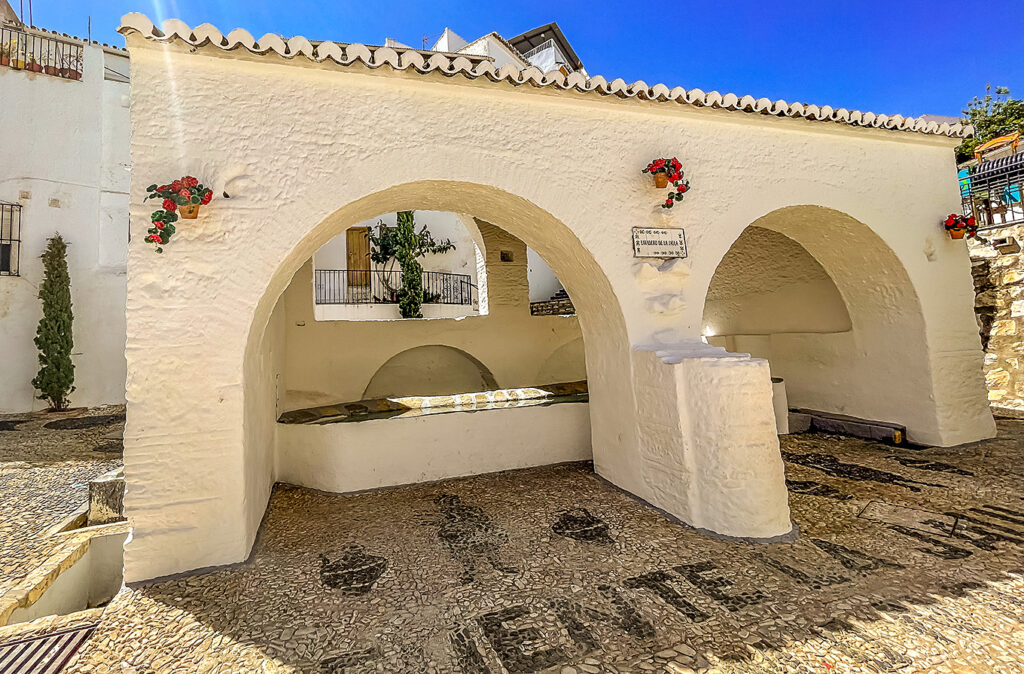 The 16th-century public lavadero where generations of village women came to do their washing in the heart of Monda village
 Monda – Wander the lanes on a weekday morning and you will find what Spain used to be before the coast discovered tourism
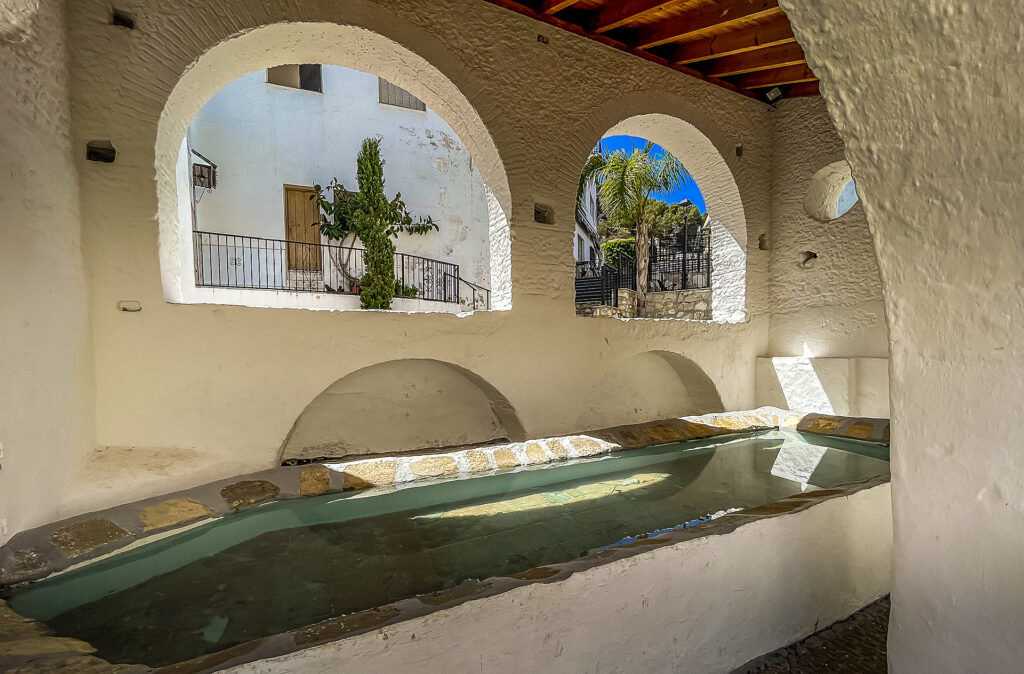 The 16th-century public lavadero where generations of village women came to do their washing
Wander the lanes on a weekday morning, and you’ll see Spain as it used to be before the coast discovered tourism. Children playing unattended in the square, elderly men nursing pequenos at the bar, ladies calling across balconies with the ease of those who have lived shoulder to shoulder for decades. The Casa Museo Mari Gloria offers a glimpse into this older domestic world, a village house preserved in the style of the early 20th-century, its tools, breadmaking equipment, and stoves arranged by a local woman who opened her home and never closed it again. Admission remains free – some of the best things in Spain do.
Monda’s history runs deeper than its modest size would suggest. It has been occupied, contested and rebuilt across three thousand years of Iberian, Roman, Moorish and Christian history. Each civilisation left its mark. A Roman road still visible on the outskirts of the village, the Moorish bones of the castle above, the Christian church below. Monda wears all of it with the easy nonchalance of a place that has always been there.
The Castillo de Monda is one of those places that ought not to exist in the way it does. A genuine medieval castle, built on Moorish foundations dating to the 9th-century, now converted to an intimate, boutique hotel, without losing its historical soul. The castle was razed by Christian forces after the Reconquista (the centuries-long conflict waged by Christian states to expel the Moors from the Iberian Peninsula), rebuilt by Arab Muslims, abandoned, and eventually lay in ruins until restoration in the 1970’s. Combining ancient charm with modern luxury and elegance, the hotel opened to guests in 1996.
The reception is warm and unhurried. Checking in feels less like arriving at a hotel, more like being received into a household. Notes left in rooms read “Welcome to your home away from home”, and perhaps surprisingly, they mean it. The corridors wind through centuries-old stonework, leading guests past arched windows and up uneven stairwells to rooms that are each unique. The Junior Suite features a four-poster bed and a private balcony from which the Guadalhorce Valley unfolds in a panorama of silvery olive groves and distant mountains. Other rooms tuck themselves into towers, or open onto terraces where bougainvillaea spills over old stone.
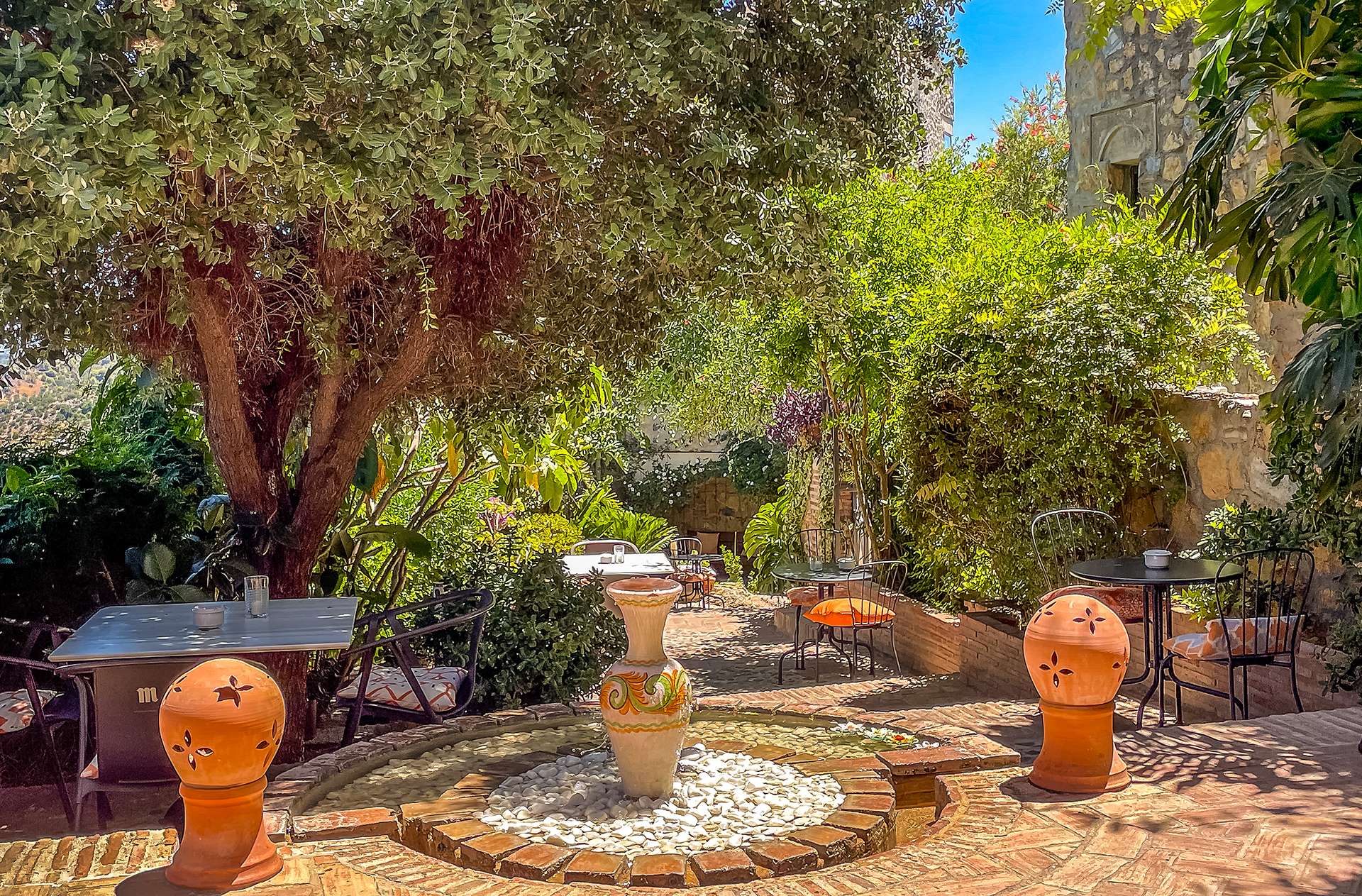
Secluded courtyards offer a great escape inside Castillo de Monda
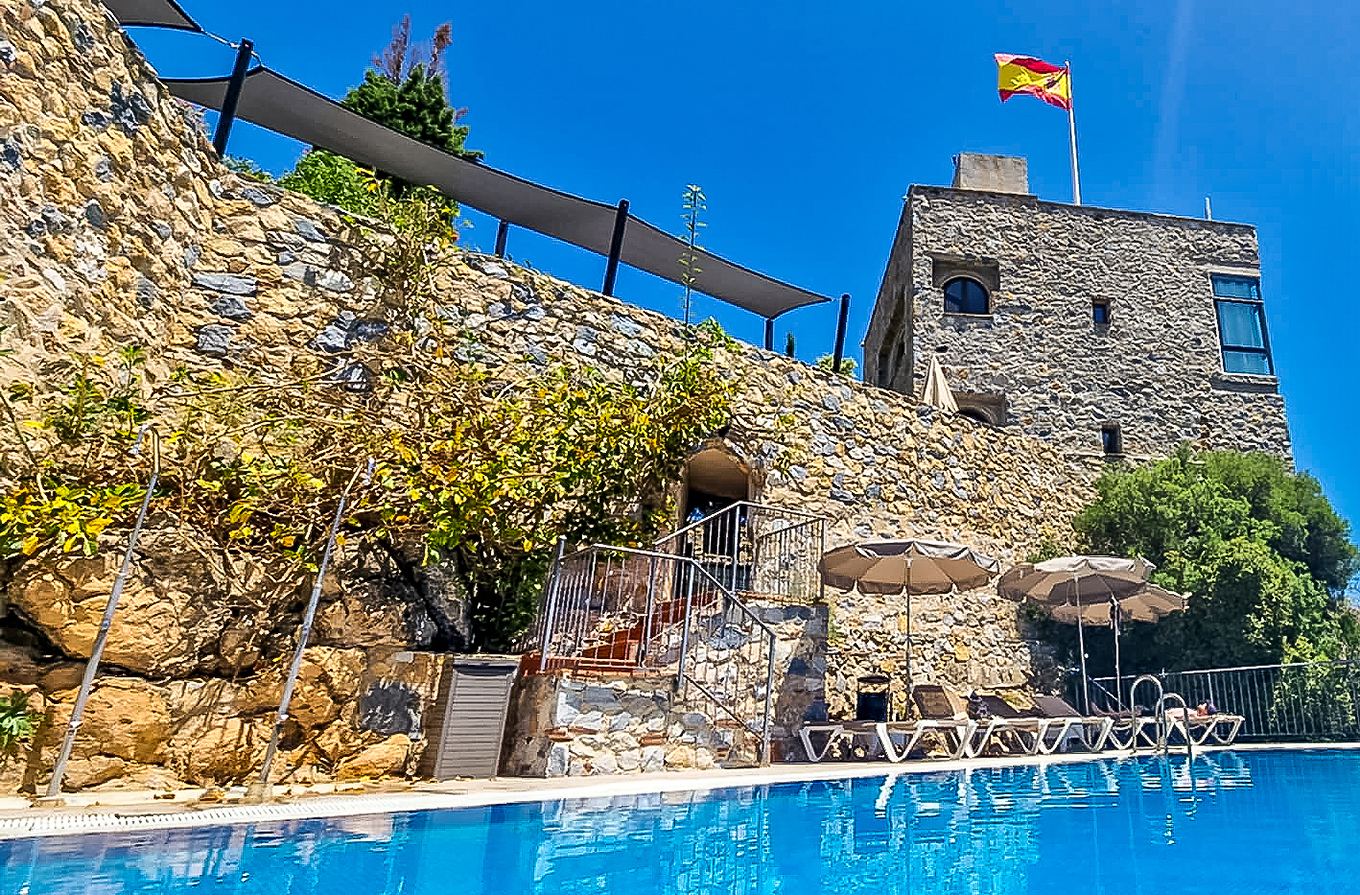
Castillo de Monda – The Junior suite in the tower overlooks the pool

Castillo de Monda – the view from your private balcony

Use the Castillo de Monda as your base, and the Sierra de las Nieves opens up around you.
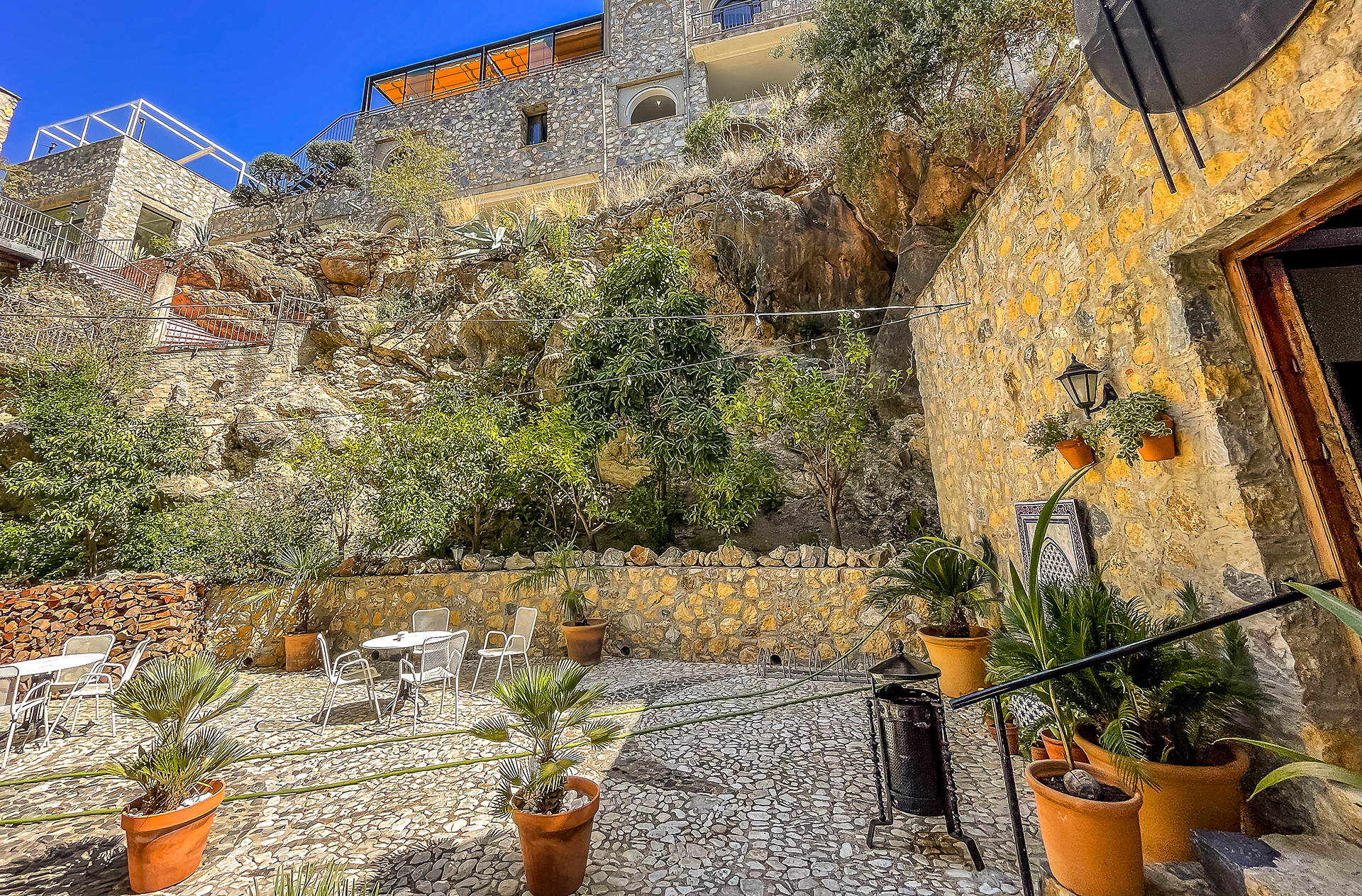
The Castillo de Monda is one of those places that ought not to exist in the way it does: a genuine medieval castle, built on Moorish foundations dating to the 9th century
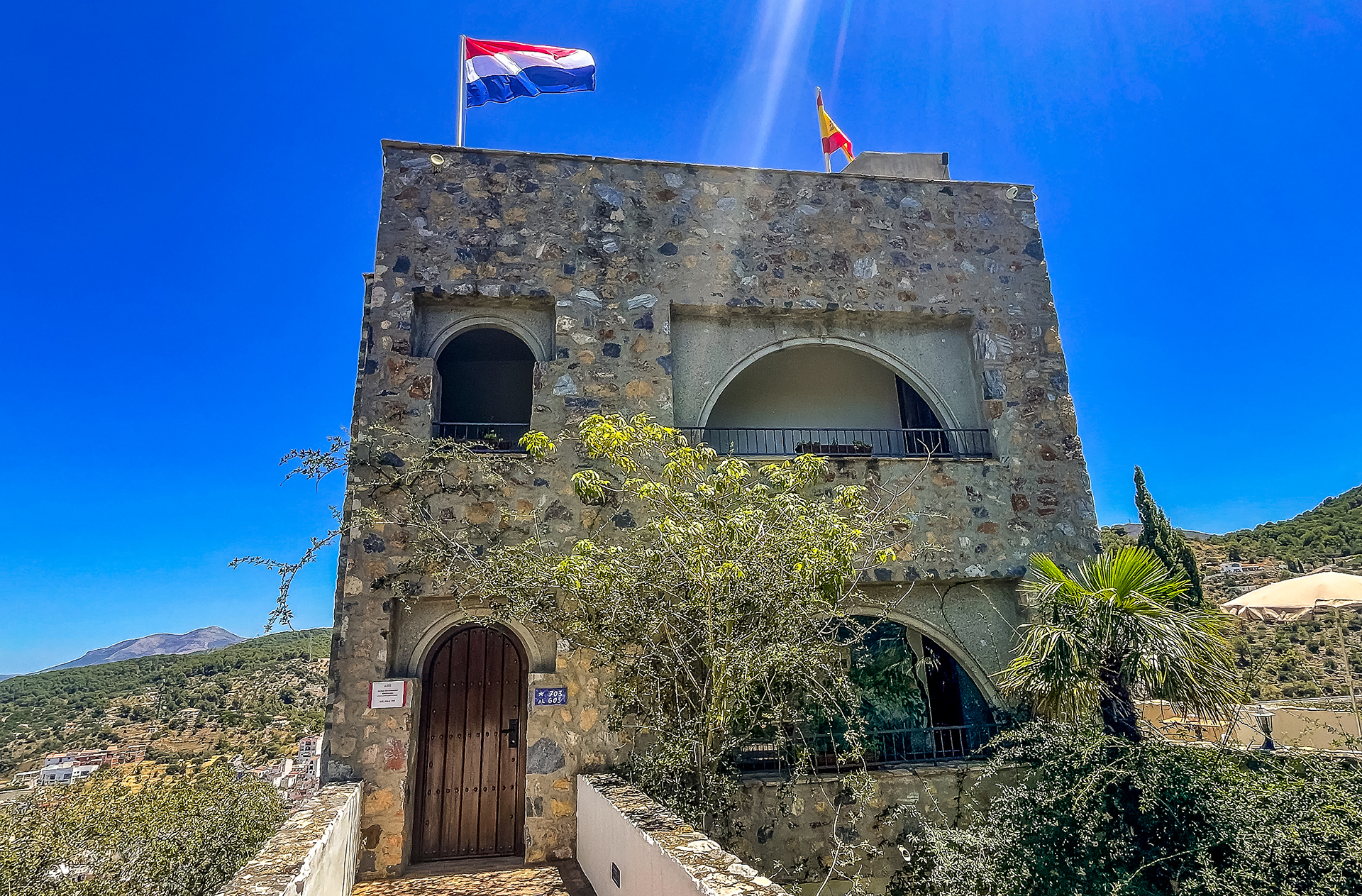
Perched on its hilltop above the village, the Castillo offers rooms and suites that blend Moorish heritage with Andalusian warmth.
The interiors are characterful without being fussy. Colourful Andalusian rugs, mosaic headboards, beamed ceilings, hand-painted tiles. Dinner is served in the Albacar restaurant, which has earned its reputation through a Mediterranean menu of quiet confidence. Local fish, slow-cooked meats, seasonal vegetables from the surrounding hillsides, and desserts that linger long in the memory. The rooftop terrace is where guests gather for evening aperitivos, watching the village lights come on through the valley below. As the sun sets, the sky deepens through amber to violet, and the only soundtrack is the cicadas and the occasional whinny from the horses kept for trekking in the hills.
Beyond the village, the Sierra de las Nieves opens up all around you. Hiking trails thread their way through the park’s 20,000 hectares, mountain bike routes run along old mule tracks, and horse-trekking excursions open up a world away from roads. A short drive brings you to the village of Guaro, which in September lights itself entirely by candles for the ancient Festival de la Luna Mora, or Festival of the Moorish Moon. Held over the first or second weekend in September, this arts, crafts and music festival has grown from a humble celebration into a significant event playing host to local, national and international talent. But the journey that stays with you, the one that reminds you why you came to the mountains instead of staying by the coast, is the drive to Tolox.
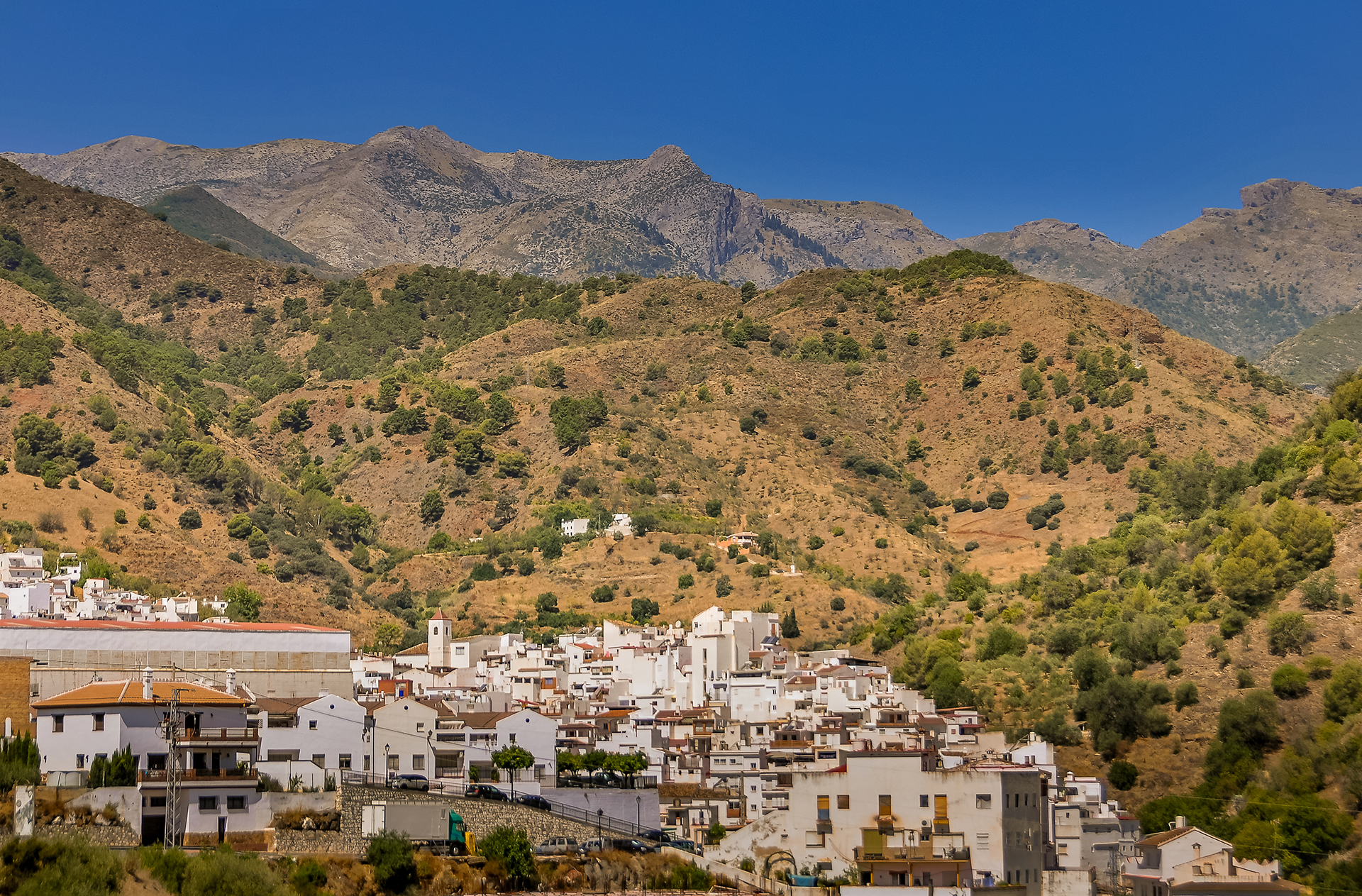
Tolox hangs to the valley walls at the confluence of two rivers, the Rio de los Caballos and the Rio de los Horcajos, at the end of a road that branches from the Malaga – Ronda highway, and almost seems to hesitate before committing you to the descent into the valley. The village sits at the heart of the Sierra de las Nieves National Park, surrounded by irrigated terraces of orange and avocado groves, its whitewashed walls rising against limestone peaks that catch snow in winter and glow burnt amber in the late afternoon sun. It is green in a way that surprises; the Moorish-era irrigation channels still doing their quiet work across the hillsides after a thousand years. The village itself was shaped by the Romans, reshaped by the Moors, fought over during the Reconquista, and has arrived in the present day essentially unchanged in character. The church of San Miguel Arcangel, built in 1505 on the foundations of a mosque and burned during the Moorish uprising of 1568, still bears a minaret-shaped tower that wears all this history with a quiet dignity.
Tolox is also uniquely home to Spain’s only medicinal sulphur thermal spa. The Fuente Amargosa, discovered in 1867, draws a steady stream of pilgrims who come for its mineral waters, believed to ease respiratory conditions, skin ailments and chronic joint problems. The spa sits in the Sierra Parda de Tolox, a short walk from the village along a path that follows the river, and the experience of taking the waters in such a landscape, limestone peaks above, the sound of the Caballos river below, is something entirely its own. The water flows from the mountain at 15,000 litres per day and tastes of the earth it has passed through, ancient, mineral, and like nothing you’ll ever taste from a bottle.
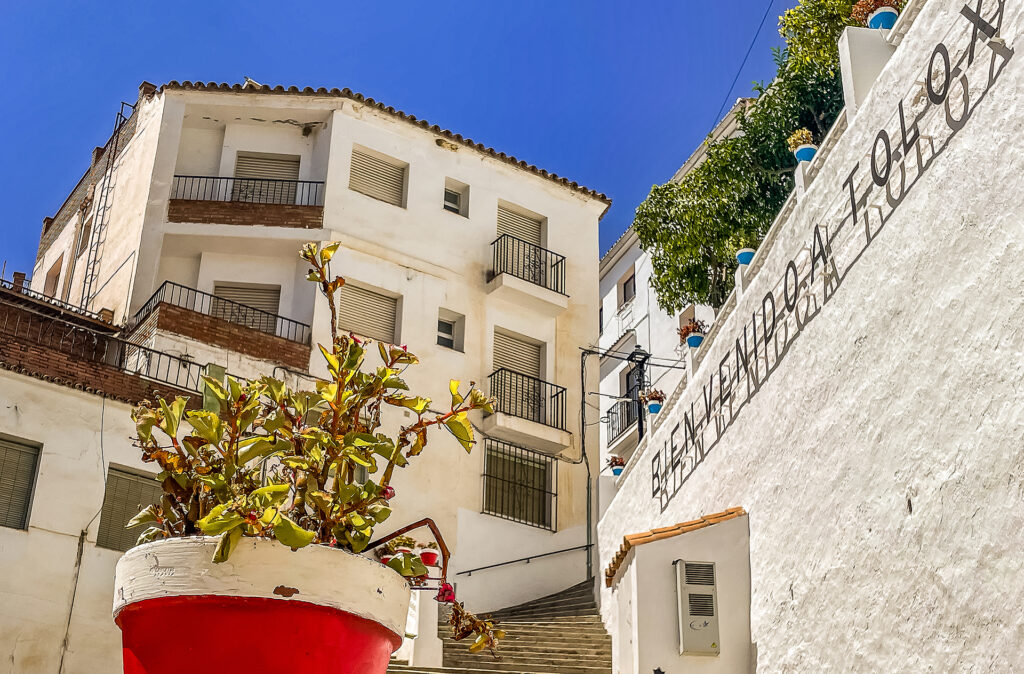 Tolox – The village sits at the heart of the Sierra de las Nieves National Park, surrounded by irrigated terraces of orange and avocado groves
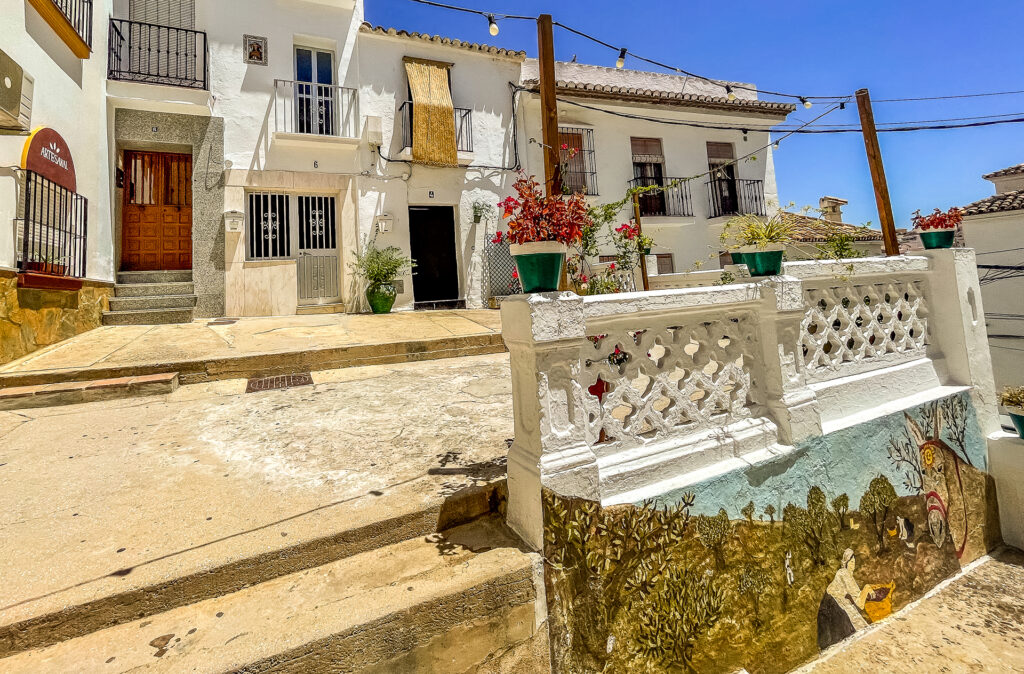 Tolox is no tourist-hungry hawker shouting his wares at the passing traffic. Like an old man sitting in the shade of a tree, it is content simply to be there.
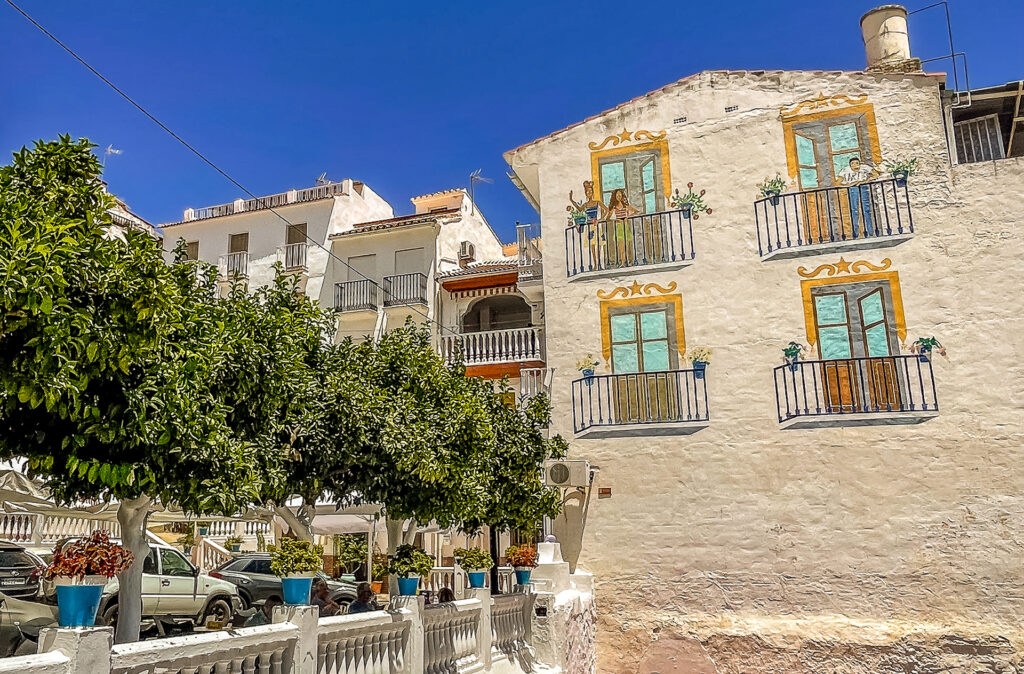 Street art provides a colourful welcome throughout the mountain village of Tolox.
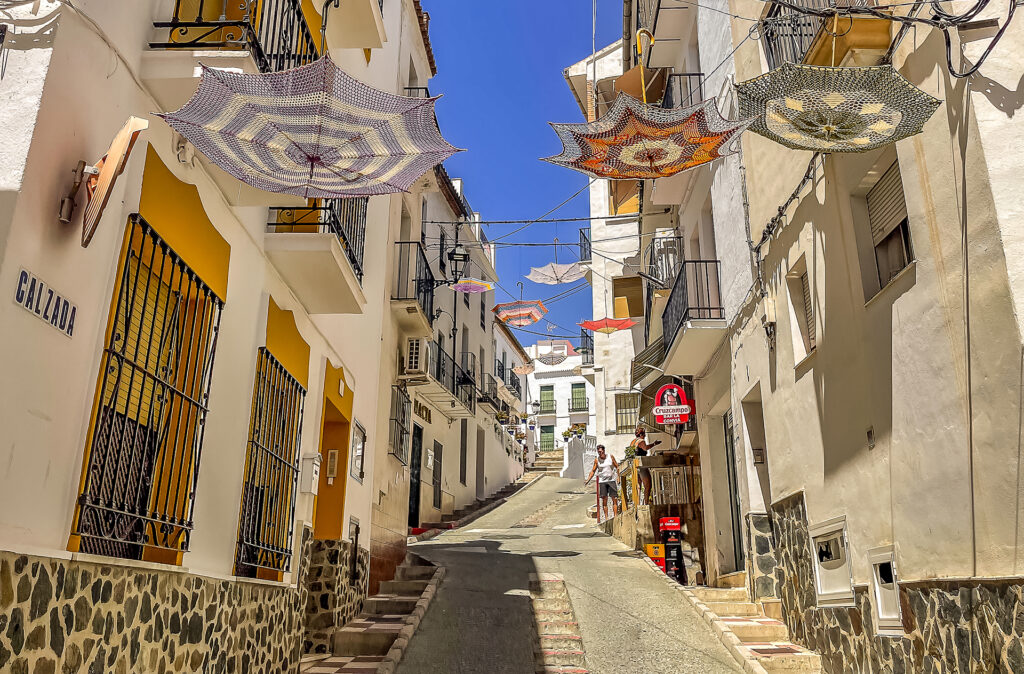 Tolox, where Sunday rituals occur amongst the whitewashed walls and alleys of the mountain village
For those on foot, Tolox is a gateway to some of the most dramatic terrain in southern Spain. The Barranco de la Rejía, the highest waterfall in the province, plunges more than fifty metres through the gorge. Pico Torrecilla, the highest summit in western Andalusia at 1,919 metres, is reachable via marked trails from the village. The national park is rich with wildlife, short-toed eagles, mountain goats, sparrowhawks, and the rare Spanish fir that gives the Sierra de las Nieves its particular character, ancient, endangered, and hauntingly lovely when dusted with winter snow.
But come to Tolox on a Sunday morning, a late Sunday morning, as Spain demands, and you will witness something no guidebook quite prepares you for.
As the bells of San Miguel Arcángel begin their measured tolling and the faithful file out of morning service into the sharp mountain light, a particular ritual begins to take shape in the narrow streets. The women of the village gather. They have dressed carefully, as they do every Sunday. Good blouses, small heels, handbags on forearms, hair set in a way that suggests an hour before the mirror and a sense of occasion taken seriously. They collect in clusters at the bar tables spilling out from the village cafés, sometimes two women, sometimes eight, pulling chairs together with the ease of long habit. The aperitivos arrive, small glasses of local wine, perhaps a Manzanilla from the barrel, plates of jamón, olives cured from the village’s own groves, pan con tomate rubbed with the season’s ripest tomatoes and anointed with cold-pressed oil.
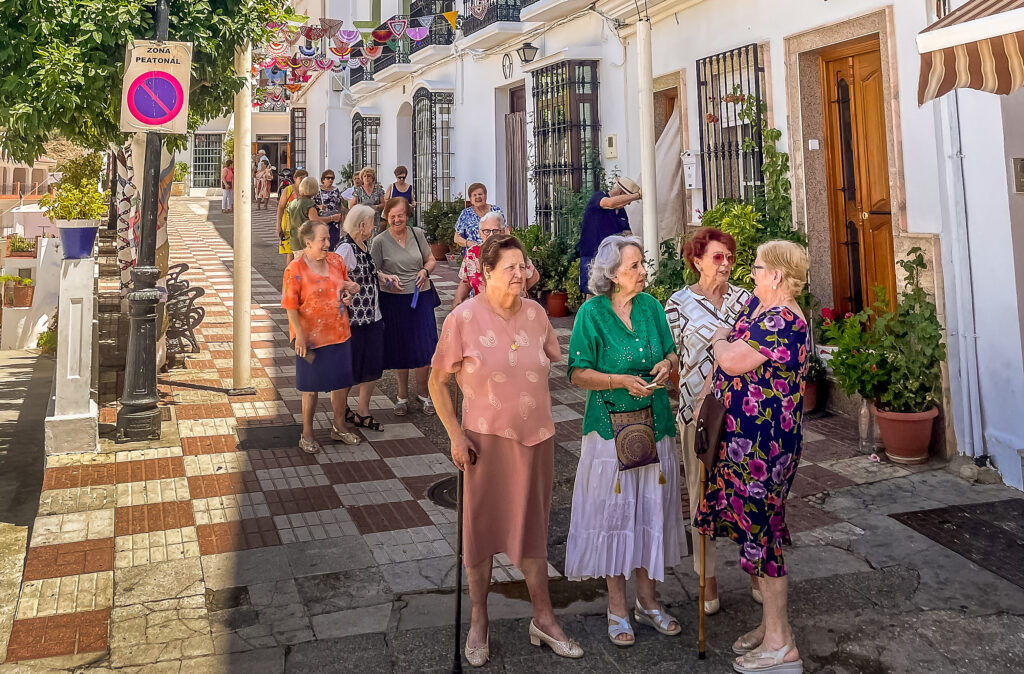 The Sunday ritual – women of the village gather. They have dressed carefully, as they do every Sunday – a sense of occasion taken entirely seriously.
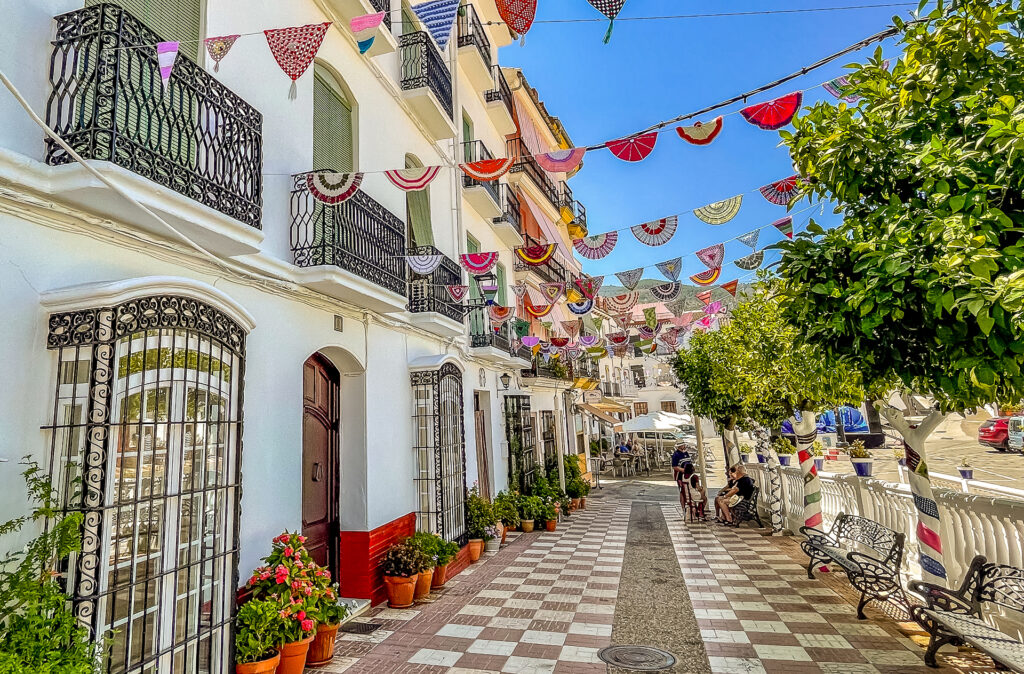 Tolox, where Sunday rituals occur amongst the whitewashed walls and alleys of the mountain village
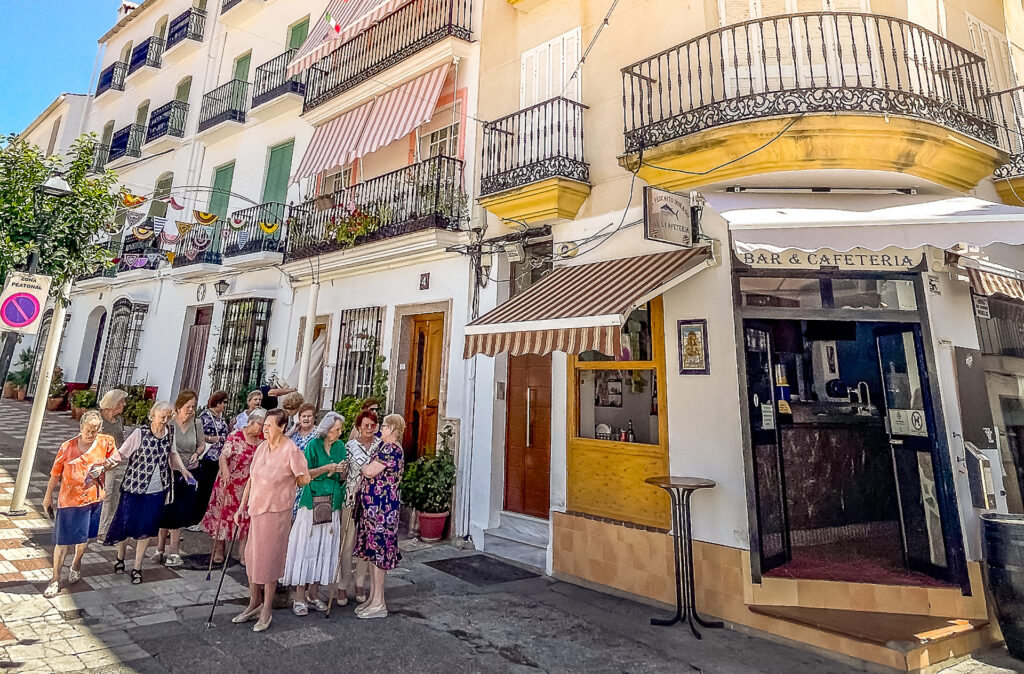 The Sunday ritual. Women of the village gather. They have dressed carefully, as they do every Sunday – a sense of occasion taken entirely seriously.
What follows is, in its quiet way, one of the loveliest things I’ve seen in Spain. The conversations are warm and unhurried. There is laughter. The particular laughter of women who have known each other for decades, who have raised children in the same streets and shared more Sundays than they could easily count. They are not performing for visitors; they are simply being themselves, in the way that villages like Tolox have always allowed people to simply be themselves. The rest of the world, the cities, the global politics, the clamour, never reach this square on Sunday morning. The mountains see to that. Tolox is no tourist-hungry hawker shouting his wares at the passing traffic. Like an old man sitting in the shade of a tree, it is content simply to be there. For the traveller who sits at a nearby table, orders a café solo and resists the impulse to reach for a phone, this is what the journey is all about. Not the landmark or the Michelin star or the Instagram composition, but the sudden, surprising gift of being admitted, briefly, into the ordinary life of an extraordinary place.
The drive back to the Castillo de Monda in the late afternoon takes fifteen minutes, the road rising through olive groves and the long shadows of the mountains stretching east. The castle glows on its hill ahead. By the time you reach the rooftop terrace for your evening drink, the valley below has turned gold, then copper, then the deep purple-grey of Andalusian dusk. You think of the women of Tolox, their laughter, their Sunday best, and their Sunday aperitivos long since finished. You raise a glass…to people you will never know, in a place you will always remember.

Traveller’s Notes
Spain has no shortage of beautiful villages. But Monda and Tolox offer something rarer than beauty – the particular peace of places that have not been arranged for your benefit, where time is still measured in harvests and feast days and Sunday mornings.
Getting There
Fly to Málaga Airport (AGP), 35 minutes by car. A hire car is essential — the Sierra de las Nieves is best explored on your own schedule. Monda is 50 km from Málaga and 15 km from Marbella.
Staying
Castillo de Monda (castillodemonda.com) offers rooms and suites. Book the restaurant table separately — it fills with locals at weekends.
Tolox
Reached via the A-366 Málaga–Ronda road. The Fuente Amargosa Spa is a short walk from the village along the river path. Arrive on Sunday around 11am–noon to catch the post-church aperitivo tradition in the square.