
Falling in love with Porto
Perched above the Douro, Porto is not so much a destination as an immersion, a place where graceful bridges, hand-painted tiles, and the scent of warm pastry conspire to make you never want to leave.
Portugal’s second city has been quietly earning its superlatives for years. In 2025, the World Travel Awards named it Europe’s leading city destination, and yet Porto wears the accolade lightly. This is a city that rewards meandering over must-sees, sensation over sightseeing, and presence over photography. Come without a plan. But do come with comfortable shoes.
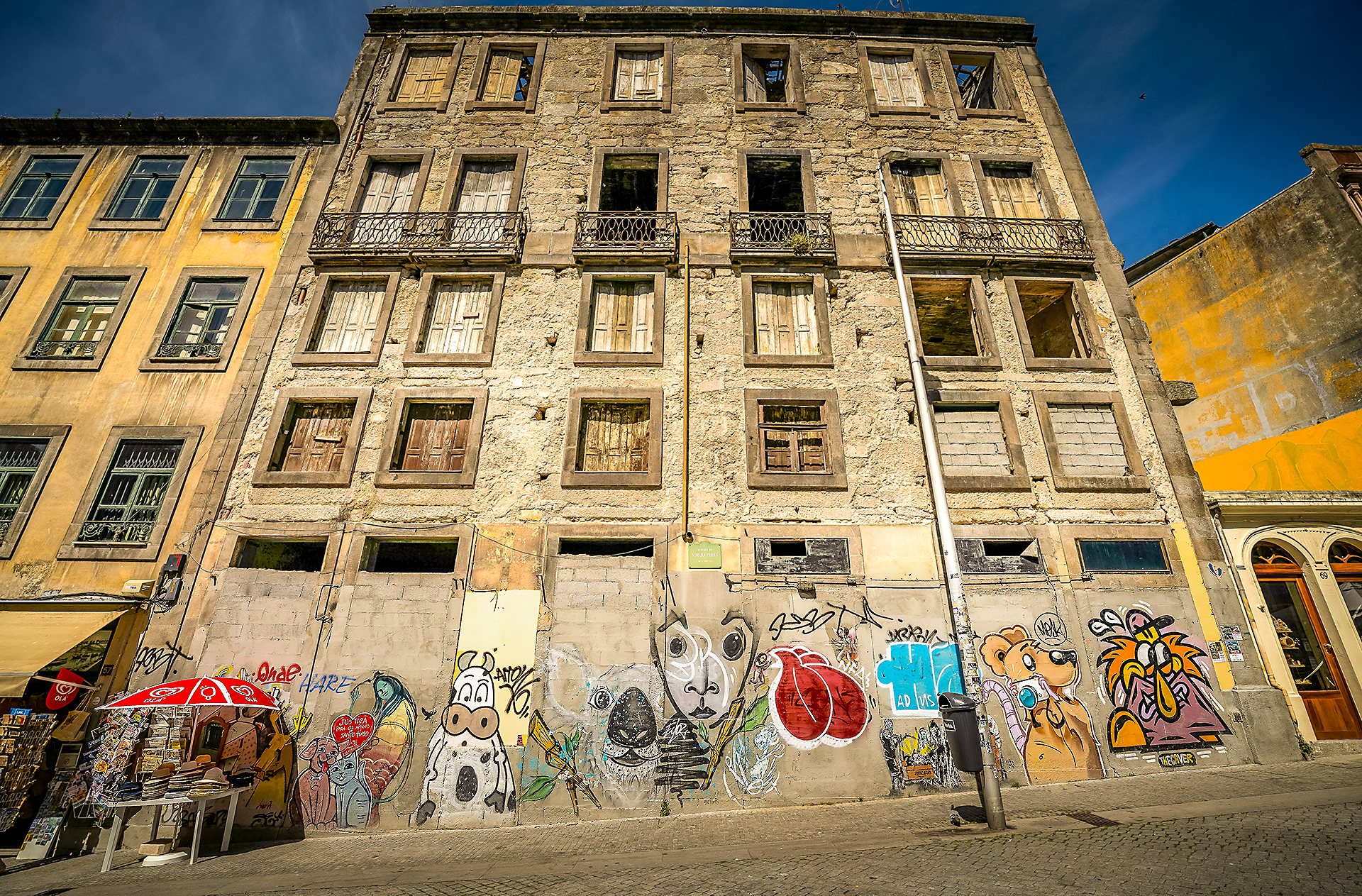
Photo by Gary Walker-Jones on Unsplash
Porto is, without doubt, a city for walkers. Public transport exists, and is perfectly good, but the city’s real life happens in between the stops. The eye-catching murals in unexpected alleyways, the steep streets that suddenly open onto river panoramas, the intricate graffiti layered over centuries-old stonework. Lace up some sensible footwear and quietly move with the flow of the roads. The hills may test you, but the views will reward you.

Photo by Melle Dijkstra on Unsplash
Work your way down toward the riverside Ribeira district, where the streets narrow and twist and the sound of laughter drifts from café terraces. Porto has a wonderful spontaneity to it. Turn down one lane, and you find silence; turn down another, and you find a whole neighbourhood spilling onto cobbled steps with glasses raised and music playing. The city does not reveal itself all at once. It prefers to surprise you.
Bridges, boats and 20,000 tiles
No visit to Porto is complete without standing on the Dom Luís I Bridge. Gustave Eiffel’s engineer Théophile Seyrig designed the double-decker iron span in 1886, and it remains the city’s most enduring symbol. From the upper deck, the Douro and both banks of the city stretch out before you like a map come to life; from the lower deck, you are practically level with the river. From the hills opposite, it frames the rooftops like a painting. It is one of those rare structures that improves with every angle.

For a different perspective entirely, take to the water. The traditional rabelo boats that once ferried barrels of port wine down from the Douro Valley now carry curious visitors on hour-long river tours, gliding beneath each of Porto’s six bridges in turn. It is a quietly moving experience, the sense of history in the water, the city reflected and shimmering above you, and the most relaxing hour you will spend in Portugal.
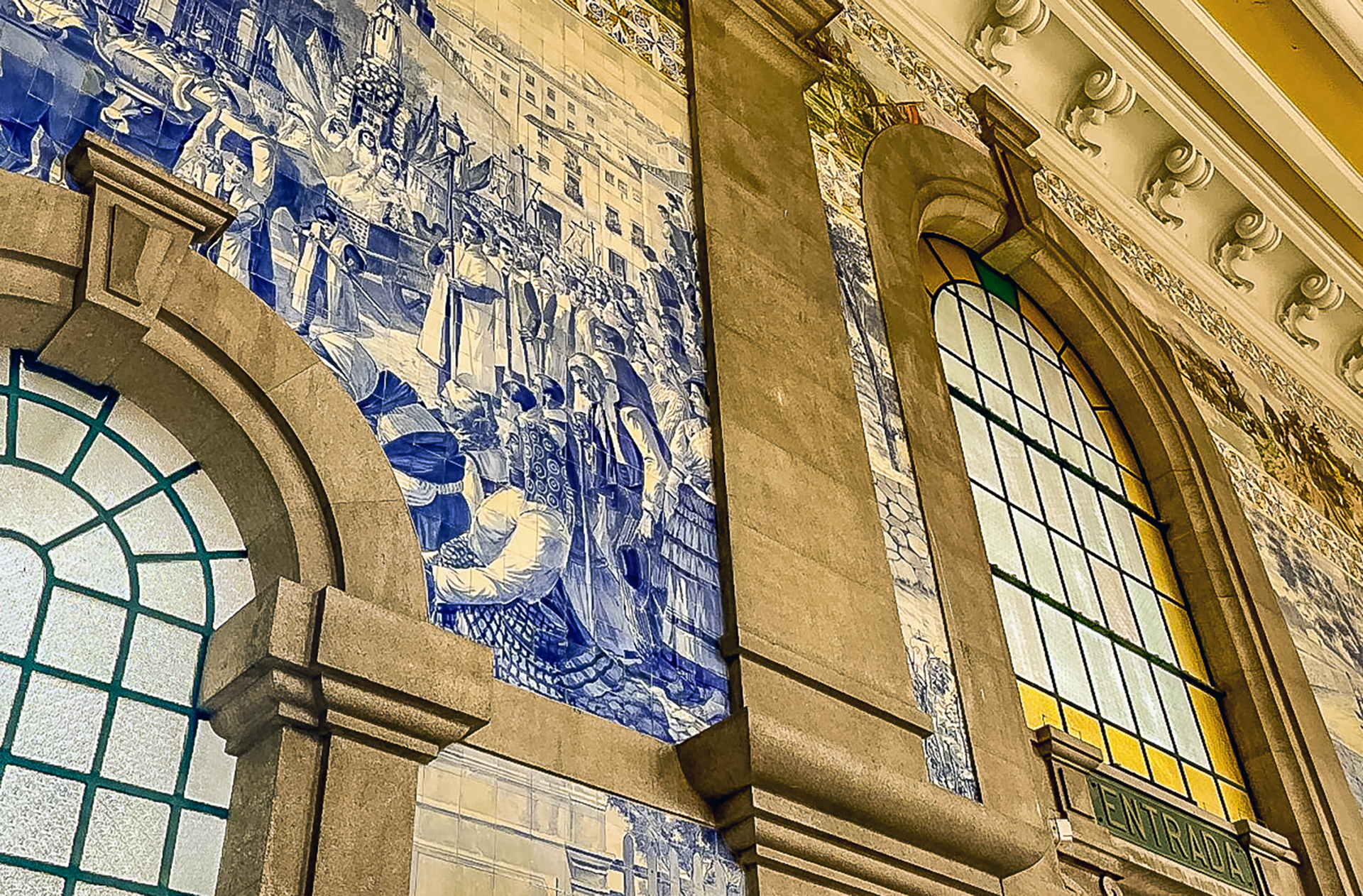
Away from the river, do not pass through São Bento Railway Station without pausing to look up. The grand entrance hall is lined with more than 20,000 hand-painted azulejo tiles, their vivid blue-and-white scenes reflecting Porto’s history and local traditions with extraordinary detail. The panels showing rural life, harvest scenes, wine shipments, and the vineyards of the Douro, I found particularly affecting. It is, by some measure, one of the world’s most beautiful train stations.
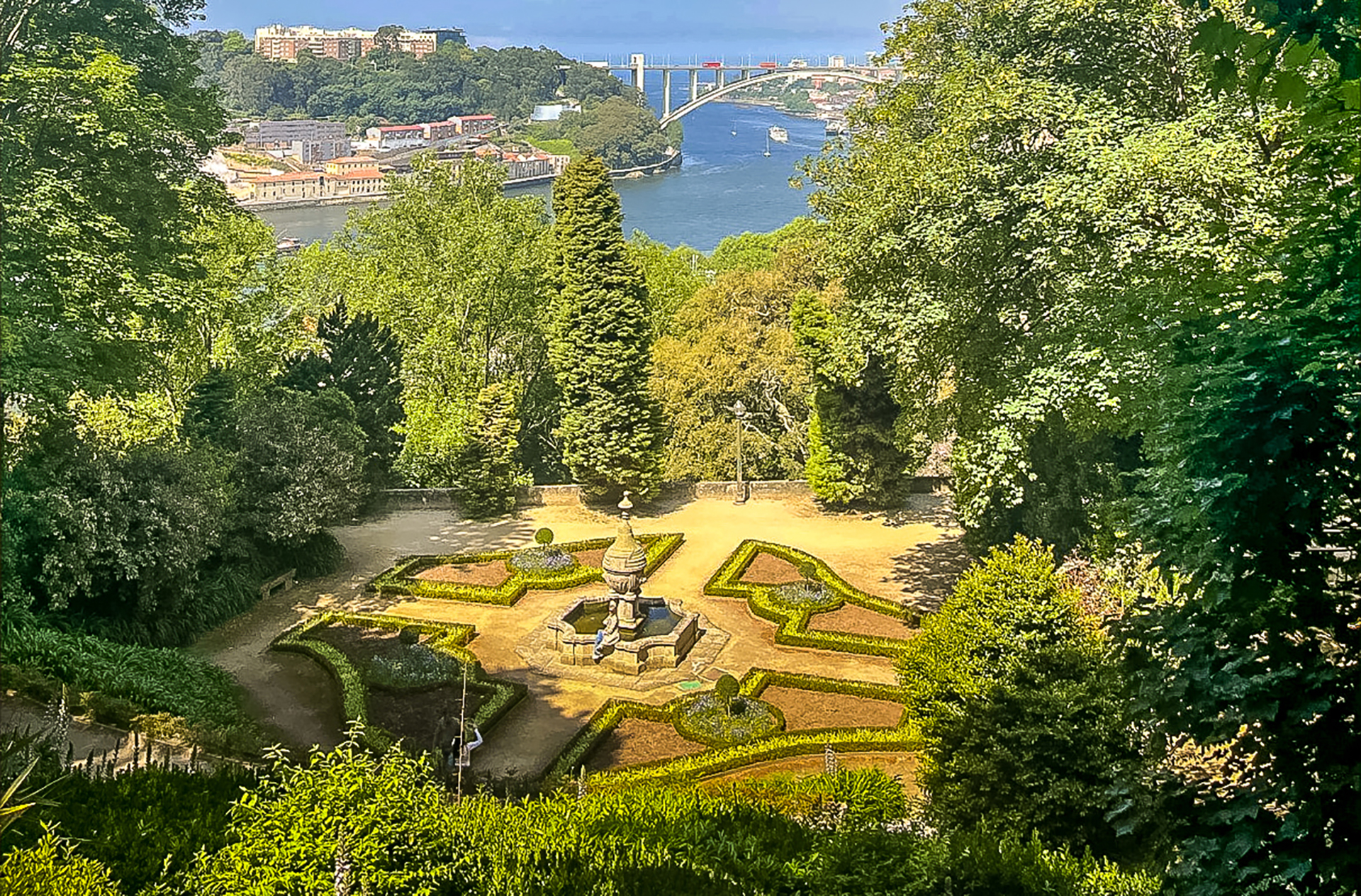
When the cobblestones have had their way with your feet, hop aboard a tram to the sanctuary of the Jardins do Palácio de Cristal. Free to enter and perched high above the Douro on Rua de Dom Manuel II, these 19th-century gardens are one of the city’s best-kept secrets. Peacocks roam freely across manicured lawns, seasonal blooms scent the air, and at every turn, there are sweeping views across the Porto skyline, rooftops cascading down to the river, and church towers punctuating the horizon. Go in the late afternoon, when the light turns amber, and the city below softens into something almost dreamlike.
A sunset ritual
When people ask me about Porto, I skip past the bridges, the tiles, and the boat tour. What I tell them about is a hilltop. The Jardim do Morro, or ‘Garden on the Hill, where we sat every evening and watched the city turn gold. This wide, elevated green space across the river from the historic centre became our nightly ritual, the place where we went to let the day dissolve into the Douro.
There is nothing organised about it. No ticketing, no performance. Just people on the grass and on benches, with books and cans of local beer and easy conversation. And all facing the same direction. We were surrounded each evening by a mix of tourists and locals, all drawn toward the moment the sun melted into the horizon over the city. Buskers played Portuguese songs. Laughter drifted across the grass. The light fell in shimmering gold onto the terracotta rooftops and then, softly, disappeared.

I have tried to photograph it. The photographs are fine. They show a pretty sunset over a beautiful city. They do not show the warmth of strangers sharing a hilltop with you; they do not hold the intimacy of that shared pause, the feeling of being, briefly and completely, at one with the people of a place. Those things cannot be captured. They can only be experienced.
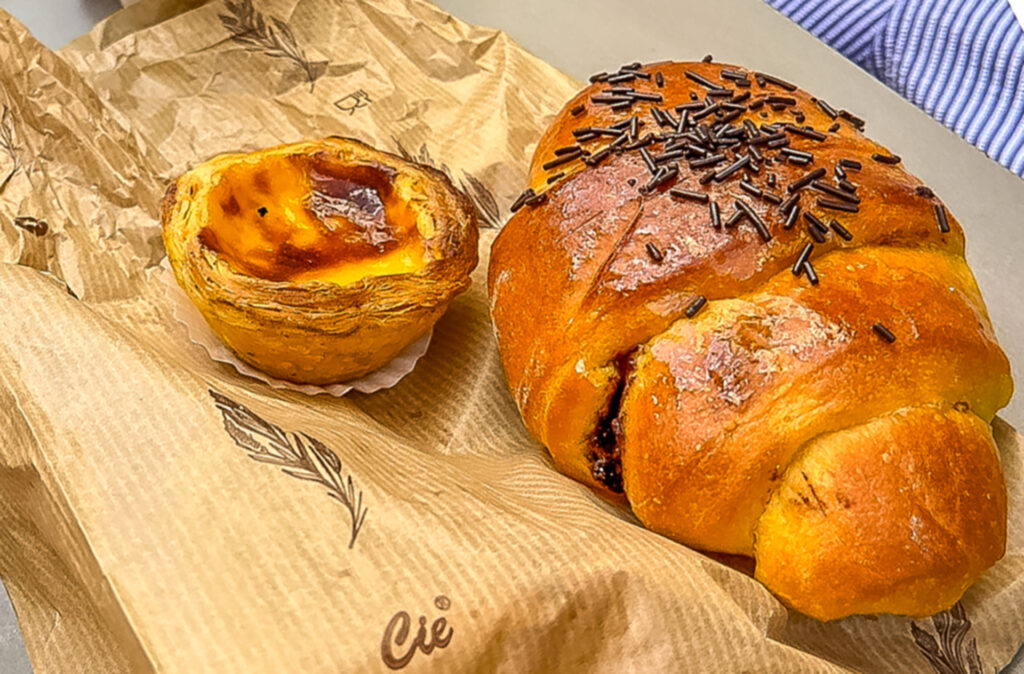
Porto holds something of the authentic Portuguese soul in its streets, river, tiles, and hills. Most of its magic lies in the sensory details, the smell of fresh bread and port wine, the taste of a warm pastel de nata, the sound of fado on a summer evening. It is a city that must be felt, not photographed. And once felt, I suspect, it is very difficult to leave behind.
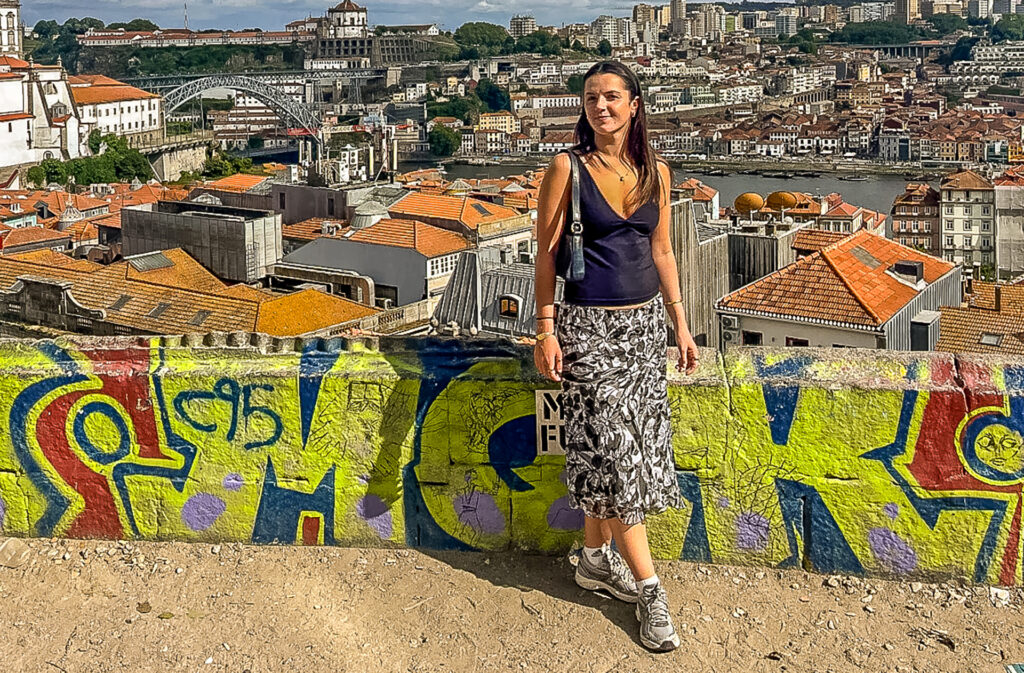
All photos by Charlie Speed except where credited.
Traveller’s Notes
Getting there. Porto Francisco Sá Carneiro Airport is served by direct flights from across the UK and Europe, with a flight time of around two hours from London. On arrival, the metro Line E connects the airport to the city centre in approximately 30 minutes.
Getting around. Porto rewards those who travel on foot. The streets are hilly and uneven in places, so comfortable walking shoes are recommended. For outlying areas, including the Jardins do Palácio de Cristal, a short ride from the centre, the metro and trams are reliable and easy to use.

Photo by Eugene Zhyrchik on Unsplash
What not to miss. Allow time to linger inside São Bento Railway Station, where 20,000 hand-painted azulejo tiles line the entrance hall. Entry is free. A rabelo boat tour along the Douro runs approximately €15–20 and takes around an hour; book ahead in high season. The Dom Luís I Bridge rewards multiple vantage points. And on no account skip the evening ritual at Jardim do Morro.
Eating and drinking. A pastel de nata from any neighbourhood pastelaria is non-negotiable; eat it warm, with a bica. For dinner, the Ribeira district offers fresh seafood and local wine. Across the bridge, the Vila Nova de Gaia waterfront is lined with port wine lodges offering tastings.
When to go. Late spring (May to June) and early autumn (September to October) offer warm, settled weather with manageable crowds. Evenings can be cool year-round. Bring a light layer for the hilltop sunsets.
Good to know. Porto is a safe, walkable city. English is widely spoken. The currency is the euro. Tipping is appreciated but not obligatory. The Jardins do Palácio de Cristal are free to enter and open daily.